• Analysis
El Niño flooding hits Peru and Ecuador: rivers overflow, red alerts extended and roads shut
Rivers overflowed across northern Peru and coastal Ecuador on Saturday after weeks of heavy rain from a powerful El Niño, prompting water rescues, evacuations and road closures along the Pacific coast.
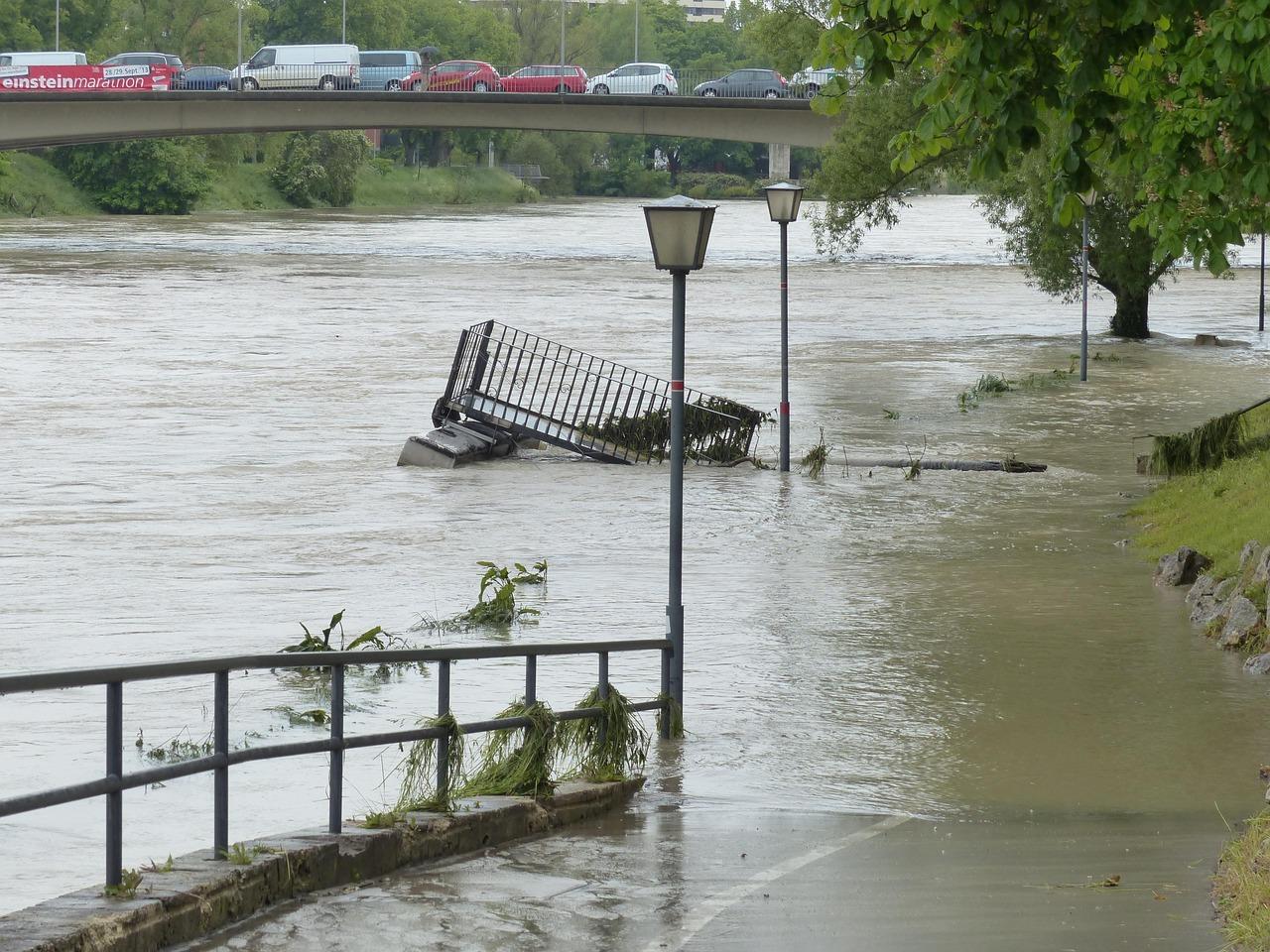
The El Niño flooding across northern Peru and coastal Ecuador left streets under water on Saturday, with police pulling residents from swollen rivers and forecasters extending a red alert for two of Peru's northern regions.
The heavy rain has been fuelled by a particularly powerful El Niño, a phenomenon that begins with warming of the tropical Pacific. The damage stretches along the Pacific coast from Ecuador's border with Colombia into northern Peru.
Deaths, evacuations and record rain
The downpours have killed at least 34 people in Ecuador since late August, according to the country's risk management agency. On Friday, two people died when a mudslide crashed into their homes.
In Esmeraldas province in north-western Ecuador, police and firefighters evacuated families after two rivers burst their banks. The toll on Peru's side was also severe:
- •A record 143mm (5.6in) of rain fell in 24 hours in Piura, north-western Peru, leaving streets under waist-high water.
- •Crews pulled 400 people from flooded homes in Piura, according to Peruvian president Keiko Fujimori.
- •Peruvian police this week rescued seven ranchers trapped by the waters of the Tumbes River.
Roads cut and alerts extended
Floods and landslides damaged more than 50 road sections across Ecuador by Saturday morning, closing at least 10, including the main highway linking Quito with the coast. In Peru, the overflowing Tumbes River flooded part of the Pan-American highway, the country's main north-south artery. Pacific swells have also battered hotels in coastal resort towns.
Forecasters extended a red alert for Peru's northern Piura and Tumbes regions through Monday.
Elections disrupted
The storms disrupted Ecuador's local elections on Sunday, which officials had rescheduled from February to avoid El Niño's expected peak. On Friday, the country's national electoral council said it had moved polling stations in five provinces because of the rains and warned that dozens more were at risk.
Lima feels the heat, and the bill
In the capital, El Niño brought drizzle to some neighbourhoods and unusual heat to others, with temperatures reaching 32C (90F), nearly 10C above normal.
"My house is an oven."
That was how Cindy Cueto, a mother of three who cooks at a community soup kitchen in a Lima hillside neighbourhood, described the conditions. Rising food prices from reduced crop yields and fish catches pushed Lima's annual inflation above 5% in October, the highest in three years.
Elizabeth Espinoza, a mother of five who sells gelatine desserts on Lima's outskirts, told how it had "gotten worse" as climbing costs squeezed households. Peru's central bank expects El Niño to cost the economy nearly a percentage point of growth this year and more than a point in 2027. Fujimori, who toured a submerged Piura neighbourhood during a lightning storm on Friday and said about a dozen people were still trapped, has warned that Peru will face "a mega Niño"; her government is coordinating aid from the US and China.
Forecasters said El Niño would remain at "extraordinary" strength until February, with the red alert for Piura and Tumbes running through Monday.