• Analysis
Gadi Eisenkot Signs Coalition Deal With Yair Golan's Left-Wing Democrats
Former Israeli military chief Gadi Eisenkot, head of the centrist Yashar party, announced a coalition deal with Yair Golan's left-leaning Democrats on Thursday, making them the second party to sign with Yashar after Israel Beiteinu on Tuesday.
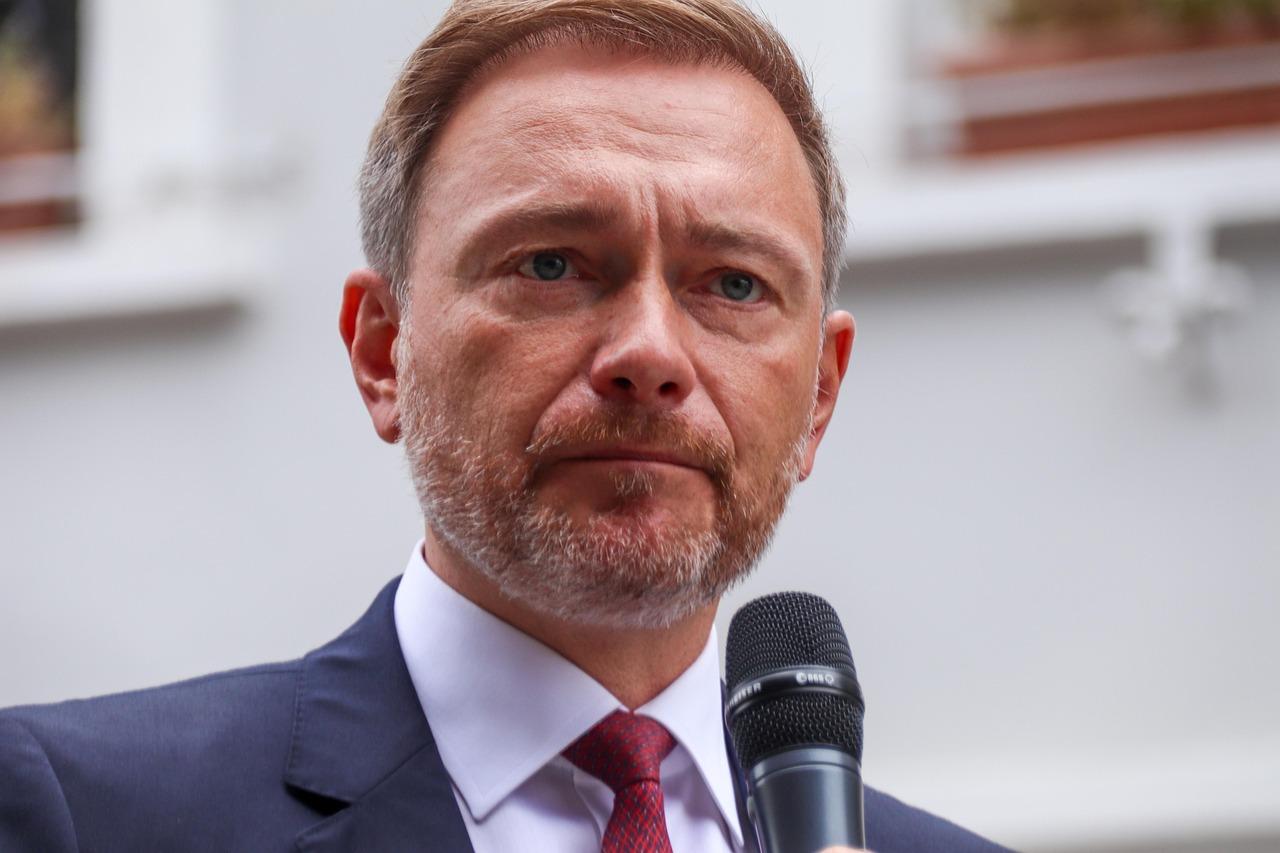
Gadi Eisenkot's coalition deal with the Democrats was confirmed in a joint statement issued on Thursday, which said the two party chairs had agreed to sign an agreement between their parties. The announcement moves Eisenkot's opposition bloc a step closer to forming a government after October elections left no single bloc with a majority in Israel's parliament.
What the deal gives the Democrats
The Democrats said the agreement brings them four ministerial portfolios. Among them is an expanded national security ministry - a department that under Netanyahu's current government is headed by the far-right Itamar Ben-Gvir.
The remaining three portfolios named by the party are:
- •the Ministry of Labour
- •the Ministry of Communications
- •the Ministry of Culture and Sport, which will include a new directorate for democracy
Yair Golan said the parties would replace Netanyahu and defend democracy, and urged speed on the remaining negotiations: "I call on all parties to come together as soon as possible to finalise agreements and sign them, form a government".
Second signature on Yashar's list, but a bloc still short
The Democrats are the second party to agree to a coalition deal with Eisenkot's Yashar, after Avigdor Lieberman's right-wing Israel Beiteinu signed on Tuesday. The three signatories together hold 36 lawmakers - far short of the 61 needed for a parliamentary majority.
The wider bloc also includes the Beyachad party of former prime minister Naftali Bennett, which holds 12 seats but has yet to sign a formal coalition agreement with Yashar. Eisenkot has until December 6, a deadline that can be extended by 14 days, to form a government replacing caretaker Prime Minister Benjamin Netanyahu.
Divides inside Eisenkot's camp
Eisenkot's camp remains divided over whether to forge alliances with the ultra-Orthodox parties, with the Arab-majority lists, or whether to form a national unity government with Netanyahu's Likud. The Democrats have pushed Eisenkot toward an alliance with two Arab-majority lists that achieved an unprecedented seat haul in the vote, in a bid to unseat Netanyahu. They disapproved of the four rounds of talks Yashar held with Likud in recent days exploring a unity government, which produced no breakthroughs.
Lieberman has refused to serve in a government that relies on Arab-majority parties and instead advocates an alliance with the two ultra-Orthodox parties. He warned on Thursday that Netanyahu aims to derail the government's formation: "He will drag out negotiations over a 'unity' government until the last moment, look for a pretext to blow them up".
Bennett, for his part, is pushing for a unity government between Eisenkot's bloc and Likud that excludes the ultra-Orthodox and Arab parties, possibly with a rotation agreement that would make Eisenkot prime minister first. By his account, "by far the best alternative for the State of Israel and the serving public is a Zionist unity government led by Eisenkot first".
The parties now face the task of finalising the remaining agreements, with Eisenkot's December 6 clock - extendable by two weeks - still running.