• Analysis
Three in four displaced people live in climate danger zones, UNHCR says
Nearly 90 million forcibly displaced people - three-quarters of the global total - live in countries highly exposed to climate hazards, the UN refugee agency said on a Friday, urging action ahead of the COP31 climate summit in Turkey.
A double injustice for refugees
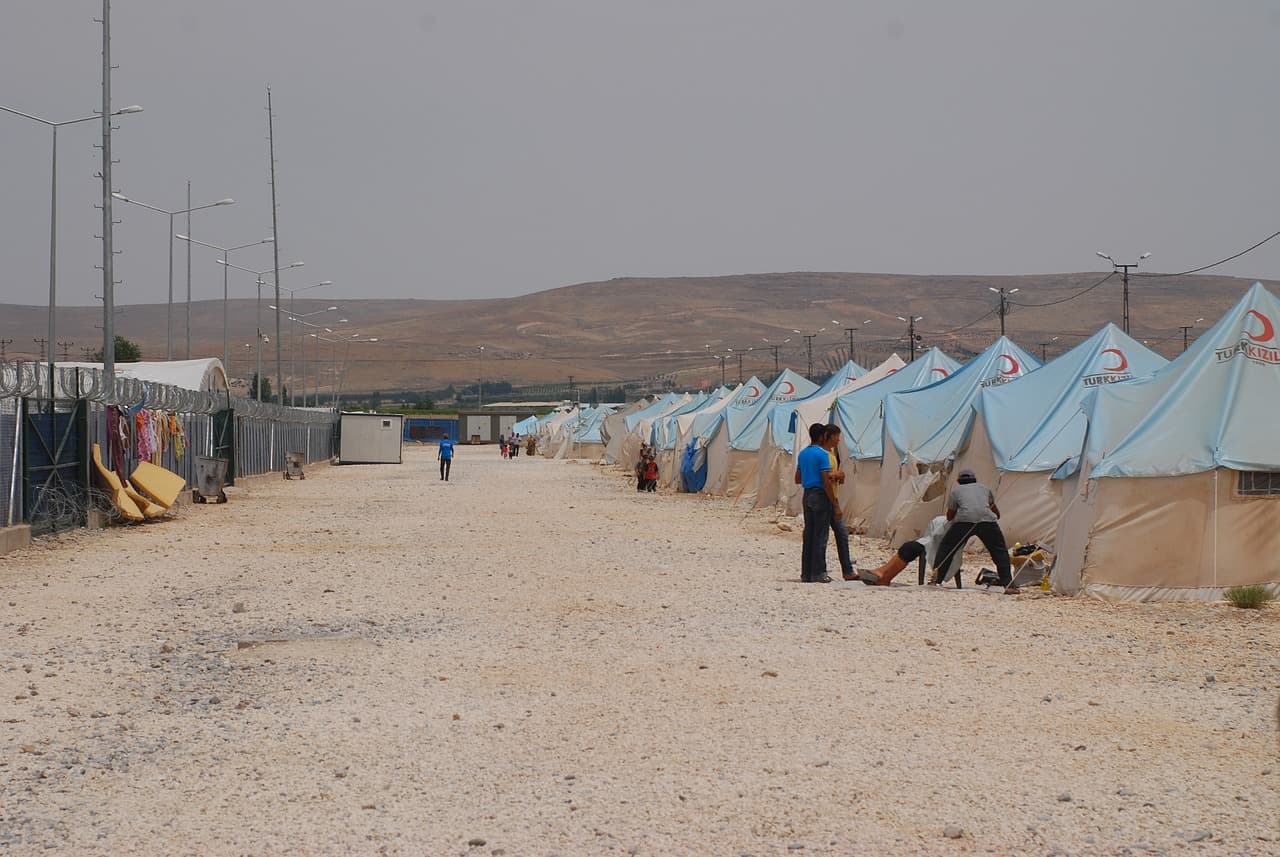
Some 90 million forcibly displaced people are in countries highly exposed to climate hazards, the UN refugee agency said on a Friday - about three in every four displaced people worldwide. According to UNHCR, droughts, floods and extreme heat are making it harder to find lasting solutions for people forced from their homes.
Anton Leis Garcia, UNHCR's assistant high commissioner for operations, said refugees face a double injustice.
Forced to flee conflicts they did not cause, they are now on the frontlines of a climate crisis they have contributed least to.
In a statement, Garcia added: "For millions, climate change is not a distant threat. It is destroying shelters, undermining livelihoods and putting their hopes of rebuilding their lives at risk." He warned that those who have already lost so much cannot be left behind in global climate action.
Returns to climate-vulnerable countries
Of the refugees who went home in the first half of this year, over two-thirds ended up in countries highly vulnerable to climate hazards, the agency said. Syria is one such case: almost four million people who had fled have come back there in recent times, yet UNHCR said falling groundwater and climate shocks endanger that recovery. Last May, flooding on the Euphrates River wrecked homes and forced thousands to move again.
Heat, floods and the scale of displacement
UNHCR laid out figures showing the scale of weather-driven displacement worldwide:
- •Weather-related disasters have driven over 255 million internal displacements worldwide in the past decade, the agency said - roughly 70,000 every day.
- •Across sub-Saharan Africa, a third of refugee settlements could see 100 or more days of dangerous heat annually by 2050, UNHCR warned.
- •An exceptionally strong El Nino this year was expected to push displacement higher still.
Forecasts indicate severe El Nino-linked flooding could force up to three million people from their homes across Somalia, Kenya, South Sudan and Uganda by the end of 2026.
What UNHCR wants at COP31
The agency pointed out that fragile and conflict-affected countries, which host many displaced people exposed to climate hazards, receive just a tenth of global climate finance. At COP31, UNHCR intends to press governments and climate finance institutions to bring refugees and other displaced populations into national climate plans and financing mechanisms.