• Analysis
COP31 failure leaves Pacific island nations 'let down on all sides'
Pacific island nations voiced despair on Monday after the COP31 failure left UN climate talks in Antalya with no final agreement. The Marshall Islands delegation said it had been let down on all sides, and Tuvalu's climate minister criticised the process.
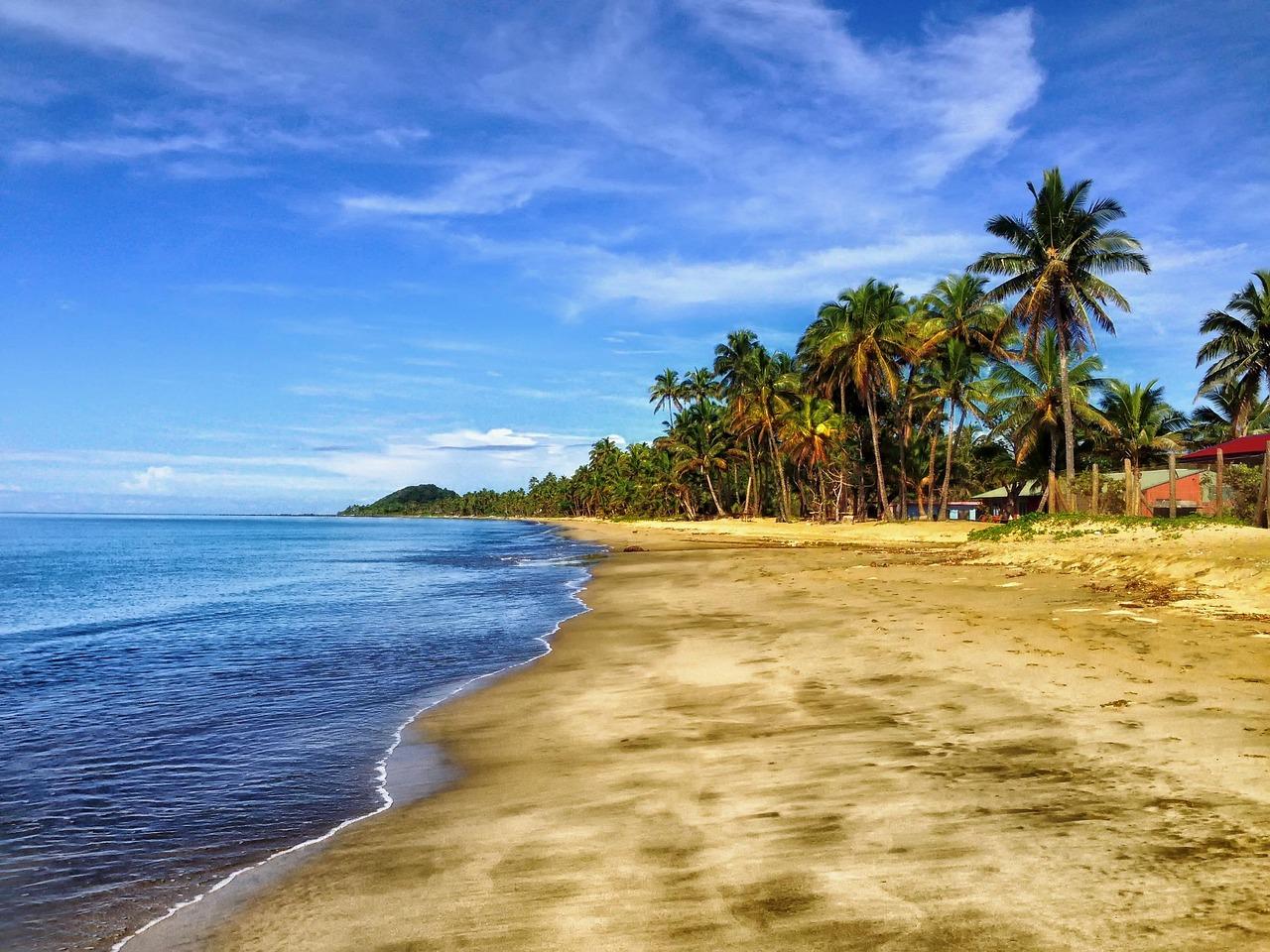
The COP31 failure drew its rawest reaction from Pacific island nations. Several of them expressed despair and disappointment on Monday after the UN climate talks closed without a final agreement on tackling the climate crisis.
For the Marshall Islands delegation, the verdict was blunt. In a statement, it said: "We have been let down on all sides".
A blow to the most exposed nations
Small nations in the Pacific are among the world's most vulnerable to the rising sea levels caused by man-made global warming. The summit was also the first COP since the UN confirmed that global temperatures were set to exceed the 1.5°C level scientists have said will cause extreme weather impacts to intensify.
The talks began on November 9, and the lack of a deal extended the summit into record overtime before it wound up on Sunday.
Pacific voices at the talks
Tuvalu had signalled its concerns before the negotiations ended. In October it hosted a pre-COP event highlighting its exposure to rising sea levels, and it later criticised the absence of engagement and transparency in trying to reach a final decision.
The country's climate minister, Maina Talia, set out what disappointed him most:
Listening to parties who diminish the credibility of signs of climate change is disappointing.
- •Tuvalu's climate minister criticised the lack of engagement and transparency in the push for a final decision.
- •Maina Talia said listening to parties who question the credibility of signs of climate change was disappointing.
- •He also voiced concern about the lack of commitment to put the world back on track for the global temperature goal.
- •The Marshall Islands delegation said in its statement that it had been let down on all sides.
A summit that ended without agreement
For the first time since the 2009 meeting in Copenhagen, a COP climate conference could not reach a final agreement. The EU and others rejected a deal that did not include any mention of fossil fuels' role in global warming, after pressure from Saudi Arabia and other oil-producing nations who kept fossil fuels out of the text.
Ireland's climate minister Darragh O'Brien, whose country holds the rotating EU presidency, explained the refusal: "We will not endorse a cover decision ... that does not even mention fossil fuels, which is the key driver of climate change". He added: "And we will not accept a COP that greenwashes fossil fuel".
Turkey hosted COP31 in Antalya but shared leadership with Australia. The summit ran in what its president of negotiations, Australian Energy Minister Chris Bowen, described as "the most complicated and fraught geopolitical environment in living memory", citing soaring energy prices and fallout from the Middle East war.
Responses beyond the region
UN Secretary-General Antonio Guterres, the outgoing UN chief who during the talks had urged nations to send fossil fuels "the way of the dinosaurs", expressed deep dismay at the result. In a statement he said: "I share the very profound frustration of all those who expected governments to rise to the moment the climate crisis demands".
China also reacted on Monday. Foreign ministry spokesman Guo Jiakun voiced disappointment while maintaining that confidence in the multilateral process should not be lost as a result. He said addressing climate change is a "shared undertaking for humanity" and stressed that the global trend toward low-carbon development is "irreversible".
More than 190 countries were represented at COP31 and more than 92,000 people had registered, making it provisionally the largest UN climate conference on record.
The talks ended in record overtime on Sunday without a final agreement.