• Analysis
Speightstown Signs Bristol Twinning Deal as Part of Reparative Process
Speightstown, Barbados's second-largest town nicknamed 'Little Bristol', has signed a three-year twinning memorandum of understanding with the UK city of Bristol, which Barbados presents as a step in its push for reparatory justice.
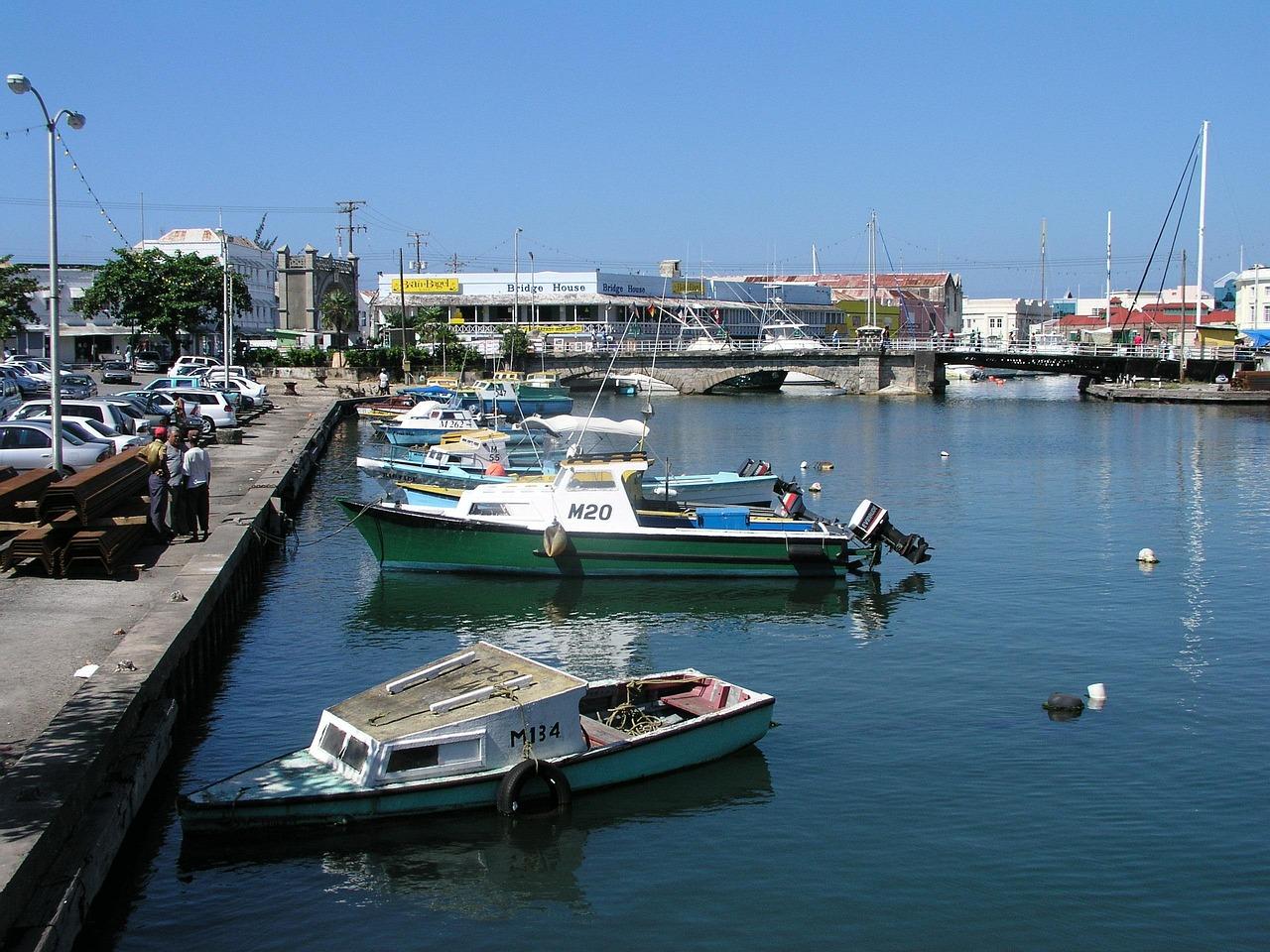
A historic port ties the knot again
Speightstown and Bristol have formally tied their names together again. Colin Jordan, Barbados's labour minister, signed a three-year memorandum of understanding with the Bristol city council leader, Tony Dyer, at City Hall on Friday. Speightstown is Barbados's second-largest town, and in the 17th and 18th centuries its port shipped sugar, produced by enslaved African people, to Bristol - the trade behind its 'Little Bristol' nickname. A bar bearing that name is still a popular venue on the island, Jordan said.
"I see the MOU as part of the reparative process," Jordan said after the signing.
What the memorandum covers
The document sets a framework for cooperation across five fields, with the exact terms still to be worked out through discussions.
- •Heritage
- •Education
- •Tourism
- •Culture
- •The creative economy
No money is attached: Bristol city council confirmed there is no dedicated funding for major projects. The agreement runs to November 2029, and Jordan said it "will not become a 'shelf' document" but will serve as "a roadmap, as well as our motivation". He expected exchanges between schools and universities and between cricket and football bodies, and also pointed to trade.
Repair, not trillions
Barbados frames the Speightstown Bristol twinning as part of a wider push for reparatory justice, led by the prime minister, Mia Mottley, and built in small steps rather than around a multi-trillion-pound claim. The MOU recognises that the relationship began in the transatlantic trafficking of enslaved Africans, and Jordan said acknowledging that is probably half of the repair.
"There is not going to be some grand $4tn something somewhere," he said. "It's going to be building block by building block."
Jordan also said repair is not only financial - "Value is not just currency" - citing a school bag link between a Speightstown pupil and a Bristol school. He argued Bristol and the UK benefited from the extraction of wealth from Barbados and Speightstown for roughly two centuries, and that the relationship should now be mutually beneficial and inclusive.
Both sides on honesty and the future
For Dyer, the deal looks forward but cannot skip what came before. "Bristol and Speightstown have a long and complex shared history," he said, calling the signing an important chance to recognise that past and to decide together how to build on the relationship.
He said the connections were shaped by the transatlantic trafficking and enslavement of African people and the sugar trade, and that it is important to be open and honest about that history. He warned, too, against "putting it in the cupboard".
Barbados's high commissioner to the UK, Edmund Hinkson, witnessed the signing. He noted that Barbados's 1650 slave code defined Black people as chattel and was later copied across the Caribbean and the Americas. The signing came days before Barbados marks 60 years of independence on 30 November, and five years as a republic.
Bristol is not the town's only overseas partner: Speightstown already has a twinning-style MOU with Reading, formally signed in 2003, and another with Charleston, South Carolina, part of the Gullah Geechee corridor. Bristol, for its part, has a parallel MOU with Odesa, in Ukraine, covering the same period.
Jordan was already looking past the current term: to 2030, the 400th anniversary of Speightstown's founding, for a successor agreement.