Monday, November 23, 2026

english

HAUT MONDE

POST

Business

• Analysis

Cranberry farming and climate change: warming winters test Wisconsin growers

Cranberry farmers in Wisconsin, which grows more than 60% of the US supply, say warming winters and extreme weather are disrupting a crop that depends on ice, heat and rain staying within narrow limits.
By Haut Monde Post

• November 23, 2026

• 3 Min Read

Cranberry farming and climate change: warming winters test Wisconsin growers

A crop checked against the sky

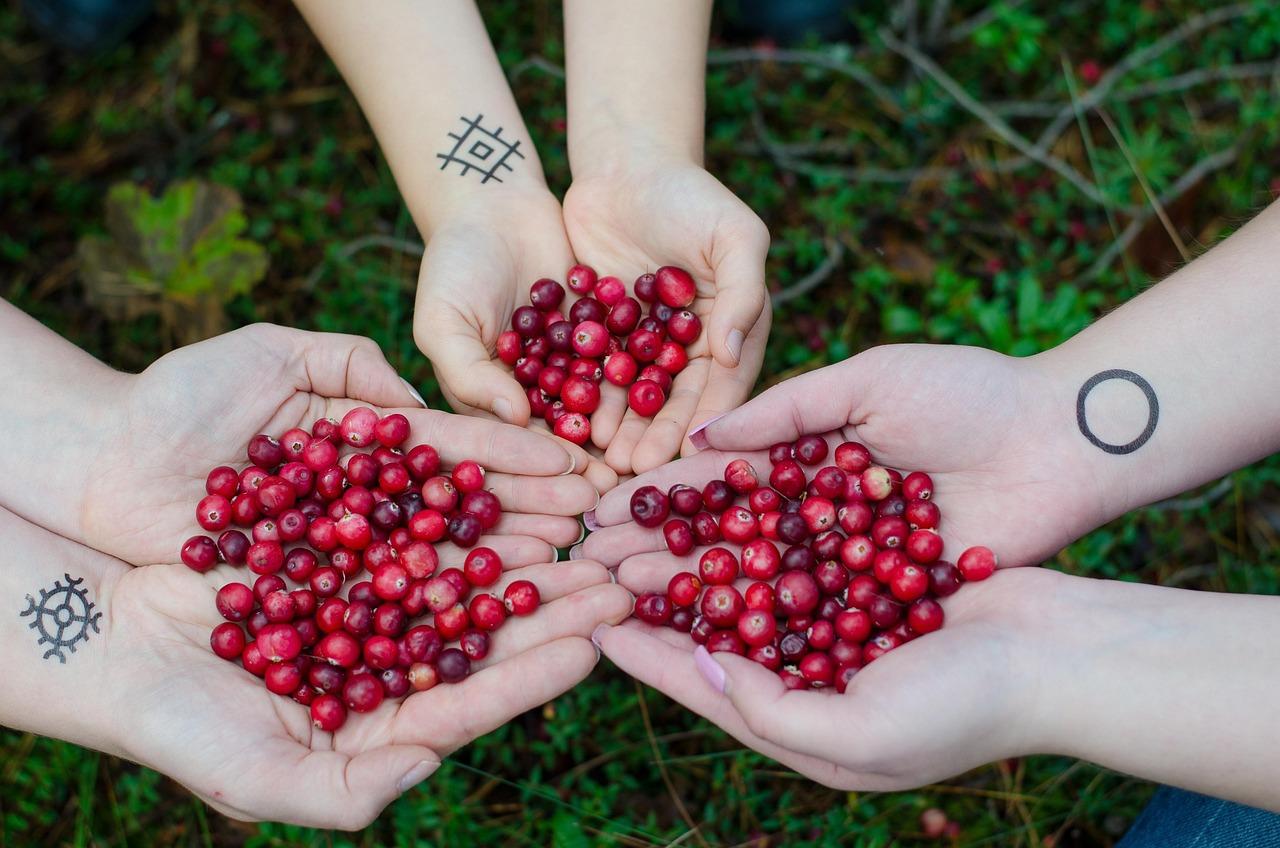
Nicole Hansen has spent nearly three decades growing cranberries in rural Wisconsin, a state that produces more than 60% of the nation's supply. The fruit is one of the few native to North America, and despite the harvest-time flood imagery, the vines grow in dry soil on low-lying beds; water is only pumped in at harvest so machines can shake the berries loose and the buoyant fruit float up for collection.

Hansen said everything on the farm runs on the forecast, and she called the cranberry harvest amazing and a great way to raise a family.

"So we are checking the weather, I don't know, five to 10 times a day because everything we do is controlled by the weather"

Winters no longer cold enough

That constant watch extends to midwinter. Wisconsin growers spray water over the vines to build up several inches of ice, a thermal blanket that shields the plants from cold and wind. But upper midwest winters are among the fastest-warming in the country: according to Climate Central, an independent group of scientists studying climate impacts, cranberry regions now see an average of 14 more warm winter days than in 1970.

The consequences reach the vines directly:

  • •Unusually warm February temperatures in recent years melted the protective ice sheets prematurely, according to Amaya Atucha, a fruit scientist at the University of Wisconsin-Madison.
  • •With the blanket gone, vulnerable vines were left exposed to sudden deep freezes.

Heat and rain on the vine

Warm winters are not the only problem. In Massachusetts and New Jersey, record-breaking summer heatwaves frequently trigger fruit scalding, in which berries bake on the vine before harvest. Humid conditions and heavy rainfall during the growing season create moisture-rich environments that invite fungal pathogens responsible for devastating crop rots.

Adjusting the game

The response is coming from both the lab and the marsh. Researchers are using artificial intelligence to identify and breed new, resilient cranberry varieties that can withstand extreme weather and disease. Growers, meanwhile, are deploying drones to precisely apply fertilizers and monitor temperatures across their marshes and bogs.

Atucha said that when the rules change without warning, farmers have no choice but to adapt.

"When you have a system that works and then out of nowhere you change the rules of the game, then you need to adjust"


HAUT MONDE POST

Independent journalism of the highest standard. A chronicle of world culture, politics, arts, and public thought.

Publication

AboutEditorial

Newsletter

Get the best Haut Monde Post content delivered to your inbox every week.

© 2026 Haut Monde Post. All rights reserved. Digital edition hautmondepost.com.

Monday, Nov 23, 2026

english

Business

• Analysis

Cranberry farming and climate change: warming winters test Wisconsin growers

Cranberry farmers in Wisconsin, which grows more than 60% of the US supply, say warming winters and extreme weather are disrupting a crop that depends on ice, heat and rain staying within narrow limits.

By Haut Monde Post

Nov 23, 2026 • 3 Min Read
Cranberry farming and climate change: warming winters test Wisconsin growers

A crop checked against the sky

Nicole Hansen has spent nearly three decades growing cranberries in rural Wisconsin, a state that produces more than 60% of the nation's supply. The fruit is one of the few native to North America, and despite the harvest-time flood imagery, the vines grow in dry soil on low-lying beds; water is only pumped in at harvest so machines can shake the berries loose and the buoyant fruit float up for collection.

Hansen said everything on the farm runs on the forecast, and she called the cranberry harvest amazing and a great way to raise a family.

"So we are checking the weather, I don't know, five to 10 times a day because everything we do is controlled by the weather"

Winters no longer cold enough

That constant watch extends to midwinter. Wisconsin growers spray water over the vines to build up several inches of ice, a thermal blanket that shields the plants from cold and wind. But upper midwest winters are among the fastest-warming in the country: according to Climate Central, an independent group of scientists studying climate impacts, cranberry regions now see an average of 14 more warm winter days than in 1970.

The consequences reach the vines directly:

  • •Unusually warm February temperatures in recent years melted the protective ice sheets prematurely, according to Amaya Atucha, a fruit scientist at the University of Wisconsin-Madison.
  • •With the blanket gone, vulnerable vines were left exposed to sudden deep freezes.

Heat and rain on the vine

Warm winters are not the only problem. In Massachusetts and New Jersey, record-breaking summer heatwaves frequently trigger fruit scalding, in which berries bake on the vine before harvest. Humid conditions and heavy rainfall during the growing season create moisture-rich environments that invite fungal pathogens responsible for devastating crop rots.

Adjusting the game

The response is coming from both the lab and the marsh. Researchers are using artificial intelligence to identify and breed new, resilient cranberry varieties that can withstand extreme weather and disease. Growers, meanwhile, are deploying drones to precisely apply fertilizers and monitor temperatures across their marshes and bogs.

Atucha said that when the rules change without warning, farmers have no choice but to adapt.

"When you have a system that works and then out of nowhere you change the rules of the game, then you need to adjust"

HAUT MONDE POST

Independent journalism of the highest standard. A chronicle of world culture, politics, arts, and public thought. Published and printed daily in Paris, France.

Publication

AboutEditorial

Newsletter

Get the best Haut Monde Post content delivered to your inbox every week.

© 2026 Haut Monde Post. All rights reserved. Digital edition hautmondepost.com. Published in Paris.

Monday, Nov 23, 2026

english

Business

• Analysis

Cranberry farming and climate change: warming winters test Wisconsin growers

Cranberry farmers in Wisconsin, which grows more than 60% of the US supply, say warming winters and extreme weather are disrupting a crop that depends on ice, heat and rain staying within narrow limits.

By Haut Monde Post

Cranberry farming and climate change: warming winters test Wisconsin growers

A crop checked against the sky

Nicole Hansen has spent nearly three decades growing cranberries in rural Wisconsin, a state that produces more than 60% of the nation's supply. The fruit is one of the few native to North America, and despite the harvest-time flood imagery, the vines grow in dry soil on low-lying beds; water is only pumped in at harvest so machines can shake the berries loose and the buoyant fruit float up for collection.

Hansen said everything on the farm runs on the forecast, and she called the cranberry harvest amazing and a great way to raise a family.

"So we are checking the weather, I don't know, five to 10 times a day because everything we do is controlled by the weather"

Winters no longer cold enough

That constant watch extends to midwinter. Wisconsin growers spray water over the vines to build up several inches of ice, a thermal blanket that shields the plants from cold and wind. But upper midwest winters are among the fastest-warming in the country: according to Climate Central, an independent group of scientists studying climate impacts, cranberry regions now see an average of 14 more warm winter days than in 1970.

The consequences reach the vines directly:

  • •Unusually warm February temperatures in recent years melted the protective ice sheets prematurely, according to Amaya Atucha, a fruit scientist at the University of Wisconsin-Madison.
  • •With the blanket gone, vulnerable vines were left exposed to sudden deep freezes.

Heat and rain on the vine

Warm winters are not the only problem. In Massachusetts and New Jersey, record-breaking summer heatwaves frequently trigger fruit scalding, in which berries bake on the vine before harvest. Humid conditions and heavy rainfall during the growing season create moisture-rich environments that invite fungal pathogens responsible for devastating crop rots.

Adjusting the game

The response is coming from both the lab and the marsh. Researchers are using artificial intelligence to identify and breed new, resilient cranberry varieties that can withstand extreme weather and disease. Growers, meanwhile, are deploying drones to precisely apply fertilizers and monitor temperatures across their marshes and bogs.

Atucha said that when the rules change without warning, farmers have no choice but to adapt.

"When you have a system that works and then out of nowhere you change the rules of the game, then you need to adjust"