Sunday, November 29, 2026

english

HAUT MONDE

POST

World

• Analysis

Declassified documents suggest CIA waterboarding extended beyond three acknowledged detainees

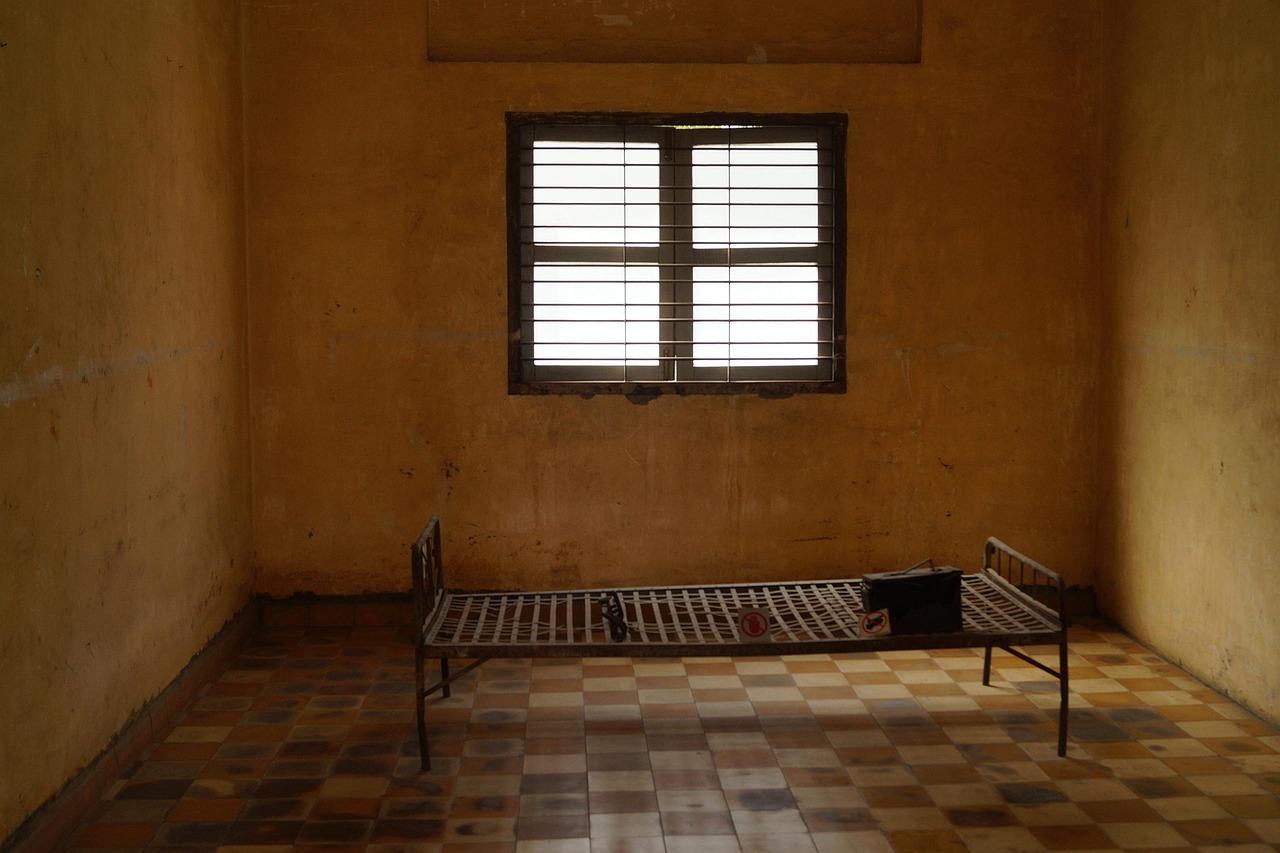
Newly declassified documents, obtained by the New York Times under a freedom of information lawsuit, suggest the CIA used waterboarding on more post-9/11 detainees than the three it has acknowledged, at a secret prison north of Kabul known as Salt Pit or Detention Site Cobalt.
By Haut Monde Post

• November 27, 2026

• 2 Min Read

Declassified documents suggest CIA waterboarding extended beyond three acknowledged detainees

The papers, released through litigation by the New York Times, point to a wider use of waterboarding than the agency's official record admits. Among them is the account of a former CIA contract translator indicating the practice was more common and may have taken place outside the two acknowledged "special rendition" sites, in Thailand and Poland.

  • •The documents indicate waterboarding occurred at a site north of Kabul, Afghanistan
  • •A former contract translator's account suggests the practice went beyond acknowledged sites
  • •The material was obtained through a freedom of information lawsuit

The CIA's own acknowledgment covers three men. Abu Zubaydah is believed to be a high-ranking member of al-Qaida; Khalid Shaikh Mohammed is the suspected architect of the 11 September 2001 attacks; and Abd al-Rahim al-Nashiri is accused of planning the 2000 bombing of a Navy destroyer.

The translator worked at the black site north of Kabul known as Salt Pit or Detention Site Cobalt. He told an FBI agent in 2012 that he had seen a man he called "Bahir" strapped to a board tilted downward into water. According to the agent's summary, "There were approximately three to four people 'doing this'" - a scene the linguist witnessed in passing in a hallway with little room.

The linguist told the FBI that "Bahir" was "a relative of Hekmatyar", apparently meaning former Afghan prime minister Gulbuddin Hekmatyar. The man may correspond to "Ghairat Bahir", caught in a raid in Islamabad in 2002, who appears in CIA records and underwent "enhanced" interrogation techniques. The account surfaced through the investigation of then-special prosecutor John Durham into the CIA's use of torture and its destruction of waterboarding videotapes, which ran from 2008 to 2012 and ended without charges. The Guardian reported the account on Friday.

HAUT MONDE POST

Independent journalism of the highest standard. A chronicle of world culture, politics, arts, and public thought.

Publication

AboutEditorial

Newsletter

Get the best Haut Monde Post content delivered to your inbox every week.

© 2026 Haut Monde Post. All rights reserved. Digital edition hautmondepost.com.

Sunday, Nov 29, 2026

english

World

• Analysis

Declassified documents suggest CIA waterboarding extended beyond three acknowledged detainees

Newly declassified documents, obtained by the New York Times under a freedom of information lawsuit, suggest the CIA used waterboarding on more post-9/11 detainees than the three it has acknowledged, at a secret prison north of Kabul known as Salt Pit or Detention Site Cobalt.

By Haut Monde Post

Nov 27, 2026 • 2 Min Read
Declassified documents suggest CIA waterboarding extended beyond three acknowledged detainees

The papers, released through litigation by the New York Times, point to a wider use of waterboarding than the agency's official record admits. Among them is the account of a former CIA contract translator indicating the practice was more common and may have taken place outside the two acknowledged "special rendition" sites, in Thailand and Poland.

  • •The documents indicate waterboarding occurred at a site north of Kabul, Afghanistan
  • •A former contract translator's account suggests the practice went beyond acknowledged sites
  • •The material was obtained through a freedom of information lawsuit

The CIA's own acknowledgment covers three men. Abu Zubaydah is believed to be a high-ranking member of al-Qaida; Khalid Shaikh Mohammed is the suspected architect of the 11 September 2001 attacks; and Abd al-Rahim al-Nashiri is accused of planning the 2000 bombing of a Navy destroyer.

The translator worked at the black site north of Kabul known as Salt Pit or Detention Site Cobalt. He told an FBI agent in 2012 that he had seen a man he called "Bahir" strapped to a board tilted downward into water. According to the agent's summary, "There were approximately three to four people 'doing this'" - a scene the linguist witnessed in passing in a hallway with little room.

The linguist told the FBI that "Bahir" was "a relative of Hekmatyar", apparently meaning former Afghan prime minister Gulbuddin Hekmatyar. The man may correspond to "Ghairat Bahir", caught in a raid in Islamabad in 2002, who appears in CIA records and underwent "enhanced" interrogation techniques. The account surfaced through the investigation of then-special prosecutor John Durham into the CIA's use of torture and its destruction of waterboarding videotapes, which ran from 2008 to 2012 and ended without charges. The Guardian reported the account on Friday.

HAUT MONDE POST

Independent journalism of the highest standard. A chronicle of world culture, politics, arts, and public thought. Published and printed daily in Paris, France.

Publication

AboutEditorial

Newsletter

Get the best Haut Monde Post content delivered to your inbox every week.

© 2026 Haut Monde Post. All rights reserved. Digital edition hautmondepost.com. Published in Paris.

Sunday, Nov 29, 2026

english

World

• Analysis

Declassified documents suggest CIA waterboarding extended beyond three acknowledged detainees

Newly declassified documents, obtained by the New York Times under a freedom of information lawsuit, suggest the CIA used waterboarding on more post-9/11 detainees than the three it has acknowledged, at a secret prison north of Kabul known as Salt Pit or Detention Site Cobalt.

By Haut Monde Post

Declassified documents suggest CIA waterboarding extended beyond three acknowledged detainees

The papers, released through litigation by the New York Times, point to a wider use of waterboarding than the agency's official record admits. Among them is the account of a former CIA contract translator indicating the practice was more common and may have taken place outside the two acknowledged "special rendition" sites, in Thailand and Poland.

  • •The documents indicate waterboarding occurred at a site north of Kabul, Afghanistan
  • •A former contract translator's account suggests the practice went beyond acknowledged sites
  • •The material was obtained through a freedom of information lawsuit

The CIA's own acknowledgment covers three men. Abu Zubaydah is believed to be a high-ranking member of al-Qaida; Khalid Shaikh Mohammed is the suspected architect of the 11 September 2001 attacks; and Abd al-Rahim al-Nashiri is accused of planning the 2000 bombing of a Navy destroyer.

The translator worked at the black site north of Kabul known as Salt Pit or Detention Site Cobalt. He told an FBI agent in 2012 that he had seen a man he called "Bahir" strapped to a board tilted downward into water. According to the agent's summary, "There were approximately three to four people 'doing this'" - a scene the linguist witnessed in passing in a hallway with little room.

The linguist told the FBI that "Bahir" was "a relative of Hekmatyar", apparently meaning former Afghan prime minister Gulbuddin Hekmatyar. The man may correspond to "Ghairat Bahir", caught in a raid in Islamabad in 2002, who appears in CIA records and underwent "enhanced" interrogation techniques. The account surfaced through the investigation of then-special prosecutor John Durham into the CIA's use of torture and its destruction of waterboarding videotapes, which ran from 2008 to 2012 and ended without charges. The Guardian reported the account on Friday.