Saturday, November 14, 2026

english

HAUT MONDE

POST

World

• Analysis

Bristol Aims to Become UK's First Wetland City

The Wildfowl & Wetlands Trust has launched a five-year, Aviva-funded project in Bristol that could make the city the UK's first accredited 'wetland city', with more than 200 projects to restore and create wetlands and reduce urban flood risk.
By Haut Monde Post

• November 14, 2026

• 4 Min Read

Bristol Aims to Become UK's First Wetland City

Floating wetlands in the harbour

The Wildfowl & Wetlands Trust (WWT) marked the start of its Bristol wetland city bid in September by placing floating wetlands at three spots in the city-centre harbour. The structures are built from buoyant modules planted with wetland vegetation.

Peter Lee, programmes lead at WWT, said wildlife arrived almost immediately. "Within minutes, dragonflies and other wildlife were appearing. Nature was being drawn to it", he said. He added that the installations drew public curiosity. "It sparked a conversation – people were saying: 'Why can't it always be like this?'"

What the 200 projects involve

Over five years, the trust plans more than 200 projects across Bristol to restore and create wetlands. The measures span every scale of the city, from a single rooftop to the river corridor:

  • •household rainwater ponds and street-level rain gardens
  • •restoration of river habitats
  • •reconnecting rivers with their floodplains
  • •creating new wetlands across the city

Louise Kennedy, who is managing the Bristol project, said 40% of species around the world are reliant on wetlands, yet losses mean they are, in her words, often described as being in freefall. Restoring pockets within cities, she said, massively improves biodiversity in an urbanising world, and improves access to nature for large segments of the population who would not otherwise reach rural wildlife reserves.

Why wetlands cut flood risk

Lee said wetlands absorb and store water more effectively than impermeable surfaces such as concrete, so they can reuse rainwater and prevent flooding during heavy rainfall. The approach, he said, rethinks how cities handle water: instead of pushing it out as fast as possible through drains and combined sewers, which overflow when it rains, the project holds water where it lands.

"Rain falling on a roof – that's some of the purest, best-quality water there is", Lee said, arguing it should be treated as a resource rather than channelled into a combined sewer.

Why Bristol and what comes next

Previous accreditation bids have usually been state-led and often driven by a mayor, Lee said, whereas the Bristol project is funded by the insurer Aviva, which is contributing £8.9m over the five years.

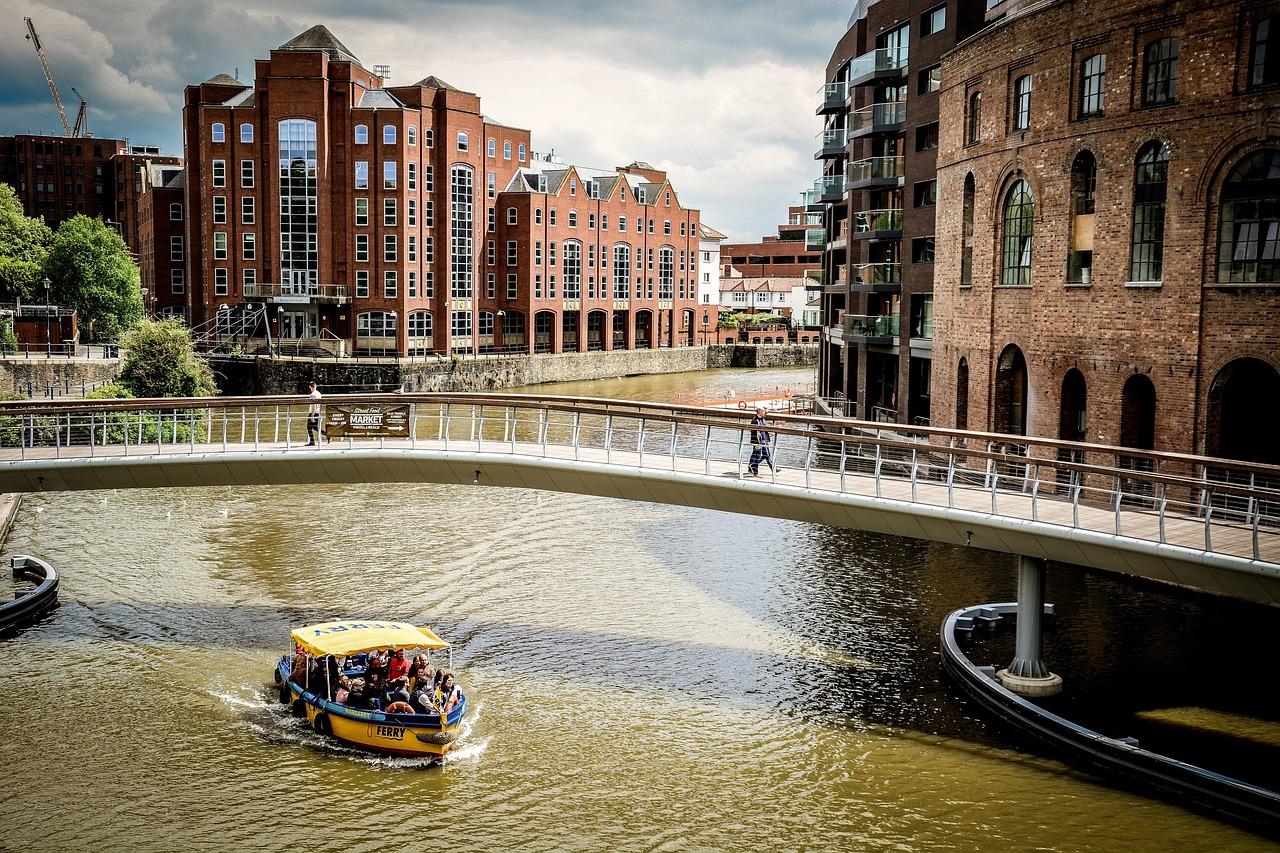
WWT looked at a number of cities before choosing Bristol, citing its maritime heritage. Lee pointed to placenames full of water references and the city's 100 miles of waterways, many of them hidden and tucked away.

The goal is wetland city accreditation under the Ramsar convention, the international treaty on wetland conservation, which recognises cities that protect and wisely use urban wetlands. Some 74 accredited wetland cities already exist across 27 countries, including 22 in China, but none in the UK.

Tony Dyer, leader of Bristol city council, said Bristol has always been shaped by its relationship with water, and that the programme shows how working with nature can tackle the city's biggest challenges. Creating and restoring wetlands across the city can reduce flood risk, support wildlife, improve people's health and wellbeing and build resilience to a changing climate, he said.

Lee said he hoped Bristol would become a template for other UK towns and cities and demonstrate the economic case for wetlands, including higher mooring fees and more city-centre footfall. Proving the commercial case would mean not always relying on a big philanthropic donation; the donation is seed funding for a much bigger programme, he said.

The next step is the Ramsar accreditation bid itself, with WWT hoping Bristol will set a pattern other UK towns and cities can follow.

HAUT MONDE POST

Independent journalism of the highest standard. A chronicle of world culture, politics, arts, and public thought.

Publication

AboutEditorial

Newsletter

Get the best Haut Monde Post content delivered to your inbox every week.

© 2026 Haut Monde Post. All rights reserved. Digital edition hautmondepost.com.

Saturday, Nov 14, 2026

english

World

• Analysis

Bristol Aims to Become UK's First Wetland City

The Wildfowl & Wetlands Trust has launched a five-year, Aviva-funded project in Bristol that could make the city the UK's first accredited 'wetland city', with more than 200 projects to restore and create wetlands and reduce urban flood risk.

By Haut Monde Post

Nov 14, 2026 • 4 Min Read
Bristol Aims to Become UK's First Wetland City

Floating wetlands in the harbour

The Wildfowl & Wetlands Trust (WWT) marked the start of its Bristol wetland city bid in September by placing floating wetlands at three spots in the city-centre harbour. The structures are built from buoyant modules planted with wetland vegetation.

Peter Lee, programmes lead at WWT, said wildlife arrived almost immediately. "Within minutes, dragonflies and other wildlife were appearing. Nature was being drawn to it", he said. He added that the installations drew public curiosity. "It sparked a conversation – people were saying: 'Why can't it always be like this?'"

What the 200 projects involve

Over five years, the trust plans more than 200 projects across Bristol to restore and create wetlands. The measures span every scale of the city, from a single rooftop to the river corridor:

  • •household rainwater ponds and street-level rain gardens
  • •restoration of river habitats
  • •reconnecting rivers with their floodplains
  • •creating new wetlands across the city

Louise Kennedy, who is managing the Bristol project, said 40% of species around the world are reliant on wetlands, yet losses mean they are, in her words, often described as being in freefall. Restoring pockets within cities, she said, massively improves biodiversity in an urbanising world, and improves access to nature for large segments of the population who would not otherwise reach rural wildlife reserves.

Why wetlands cut flood risk

Lee said wetlands absorb and store water more effectively than impermeable surfaces such as concrete, so they can reuse rainwater and prevent flooding during heavy rainfall. The approach, he said, rethinks how cities handle water: instead of pushing it out as fast as possible through drains and combined sewers, which overflow when it rains, the project holds water where it lands.

"Rain falling on a roof – that's some of the purest, best-quality water there is", Lee said, arguing it should be treated as a resource rather than channelled into a combined sewer.

Why Bristol and what comes next

Previous accreditation bids have usually been state-led and often driven by a mayor, Lee said, whereas the Bristol project is funded by the insurer Aviva, which is contributing £8.9m over the five years.

WWT looked at a number of cities before choosing Bristol, citing its maritime heritage. Lee pointed to placenames full of water references and the city's 100 miles of waterways, many of them hidden and tucked away.

The goal is wetland city accreditation under the Ramsar convention, the international treaty on wetland conservation, which recognises cities that protect and wisely use urban wetlands. Some 74 accredited wetland cities already exist across 27 countries, including 22 in China, but none in the UK.

Tony Dyer, leader of Bristol city council, said Bristol has always been shaped by its relationship with water, and that the programme shows how working with nature can tackle the city's biggest challenges. Creating and restoring wetlands across the city can reduce flood risk, support wildlife, improve people's health and wellbeing and build resilience to a changing climate, he said.

Lee said he hoped Bristol would become a template for other UK towns and cities and demonstrate the economic case for wetlands, including higher mooring fees and more city-centre footfall. Proving the commercial case would mean not always relying on a big philanthropic donation; the donation is seed funding for a much bigger programme, he said.

The next step is the Ramsar accreditation bid itself, with WWT hoping Bristol will set a pattern other UK towns and cities can follow.

HAUT MONDE POST

Independent journalism of the highest standard. A chronicle of world culture, politics, arts, and public thought. Published and printed daily in Paris, France.

Publication

AboutEditorial

Newsletter

Get the best Haut Monde Post content delivered to your inbox every week.

© 2026 Haut Monde Post. All rights reserved. Digital edition hautmondepost.com. Published in Paris.

Saturday, Nov 14, 2026

english

World

• Analysis

Bristol Aims to Become UK's First Wetland City

The Wildfowl & Wetlands Trust has launched a five-year, Aviva-funded project in Bristol that could make the city the UK's first accredited 'wetland city', with more than 200 projects to restore and create wetlands and reduce urban flood risk.

By Haut Monde Post

Bristol Aims to Become UK's First Wetland City

Floating wetlands in the harbour

The Wildfowl & Wetlands Trust (WWT) marked the start of its Bristol wetland city bid in September by placing floating wetlands at three spots in the city-centre harbour. The structures are built from buoyant modules planted with wetland vegetation.

Peter Lee, programmes lead at WWT, said wildlife arrived almost immediately. "Within minutes, dragonflies and other wildlife were appearing. Nature was being drawn to it", he said. He added that the installations drew public curiosity. "It sparked a conversation – people were saying: 'Why can't it always be like this?'"

What the 200 projects involve

Over five years, the trust plans more than 200 projects across Bristol to restore and create wetlands. The measures span every scale of the city, from a single rooftop to the river corridor:

  • •household rainwater ponds and street-level rain gardens
  • •restoration of river habitats
  • •reconnecting rivers with their floodplains
  • •creating new wetlands across the city

Louise Kennedy, who is managing the Bristol project, said 40% of species around the world are reliant on wetlands, yet losses mean they are, in her words, often described as being in freefall. Restoring pockets within cities, she said, massively improves biodiversity in an urbanising world, and improves access to nature for large segments of the population who would not otherwise reach rural wildlife reserves.

Why wetlands cut flood risk

Lee said wetlands absorb and store water more effectively than impermeable surfaces such as concrete, so they can reuse rainwater and prevent flooding during heavy rainfall. The approach, he said, rethinks how cities handle water: instead of pushing it out as fast as possible through drains and combined sewers, which overflow when it rains, the project holds water where it lands.

"Rain falling on a roof – that's some of the purest, best-quality water there is", Lee said, arguing it should be treated as a resource rather than channelled into a combined sewer.

Why Bristol and what comes next

Previous accreditation bids have usually been state-led and often driven by a mayor, Lee said, whereas the Bristol project is funded by the insurer Aviva, which is contributing £8.9m over the five years.

WWT looked at a number of cities before choosing Bristol, citing its maritime heritage. Lee pointed to placenames full of water references and the city's 100 miles of waterways, many of them hidden and tucked away.

The goal is wetland city accreditation under the Ramsar convention, the international treaty on wetland conservation, which recognises cities that protect and wisely use urban wetlands. Some 74 accredited wetland cities already exist across 27 countries, including 22 in China, but none in the UK.

Tony Dyer, leader of Bristol city council, said Bristol has always been shaped by its relationship with water, and that the programme shows how working with nature can tackle the city's biggest challenges. Creating and restoring wetlands across the city can reduce flood risk, support wildlife, improve people's health and wellbeing and build resilience to a changing climate, he said.

Lee said he hoped Bristol would become a template for other UK towns and cities and demonstrate the economic case for wetlands, including higher mooring fees and more city-centre footfall. Proving the commercial case would mean not always relying on a big philanthropic donation; the donation is seed funding for a much bigger programme, he said.

The next step is the Ramsar accreditation bid itself, with WWT hoping Bristol will set a pattern other UK towns and cities can follow.