Saturday, November 14, 2026

english

HAUT MONDE

POST

Business

• Analysis

UK High Street Revival: Rip Out Street Clutter, Create Streets Report Says

A report led by urban thinktank Create Streets argues that UK high street revival does not need multimillion-pound revamps - removing low-cost clutter such as guardrails and plastic planters could do more for town centres.
By Haut Monde Post

• November 14, 2026

• 4 Min Read

UK High Street Revival: Rip Out Street Clutter, Create Streets Report Says

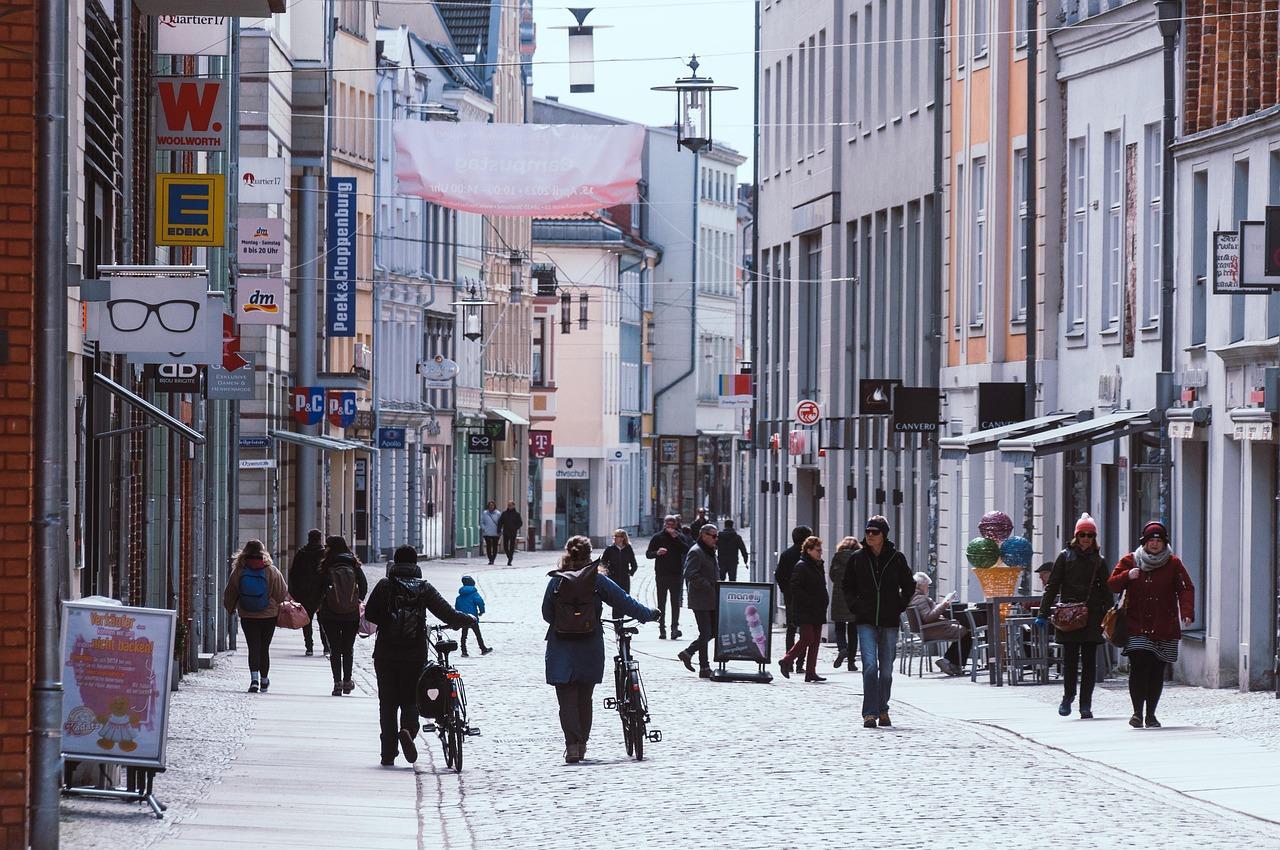
Cheap street furniture - plastic planters, catalogue litter bins and railings penning pedestrians at the kerb - is the target of a new report led by urban thinktank Create Streets. It argues that a UK high street revival could come from small, low-cost changes rather than multimillion-pound building schemes - a better answer, the report says, could be smaller changes aimed at making town and city centres more appealing.

The report was co-produced by bike storage company Cyclehoop.

What the report blames

Create Streets lays the blame on planning regulations that favour conformity and clutter and too often treat speeding cars as a given. Urban centres, it says, are too often designed to be driven through, not for time to be spent in.

The report sketches the default high street as a place engineered for traffic and furnished from a catalogue:

  • •a tarmac pavement
  • •guardrails penning people at the kerb
  • •litter bins ordered from a procurement catalogue
  • •plastic planters

The kerbside maths

Calculations drawn up for the report suggest that replacing kerbside parking with other uses, such as bike spaces or outside drinking and dining areas, creates more economic value. The comparisons put hard numbers on a single 12-square-metre patch of kerb:

  • •One parking space in the high street of a market town is typically used by about 3.5 vehicles a day and brings in just over £73,000 a year in spending to nearby shops.
  • •The same space used to hold nine share e-bikes generates an average of 13 trips a day and over £146,000 a year in spending.
  • •In a busier city, the estimated total annual spend from share bikes rises to more than £300,000.
  • •Repurposing kerbside space for outside dining can amount to about £120,000 in extra annual spending in a city centre.

Cheap fixes that work

The report's simplest recommendation is also its cheapest: removing pedestrian guardrails next to roads is, it says, the most cost-effective upgrade for the majority of high streets, describing the railings as eyesores with minimal safety benefits.

It also calls family use the indicator species of a healthy high street, and offers a simple test - whether a parent can safely let go of a young child's wrist. Where an item of street furniture cannot be justified, the report urges a presumption of removal. Renovating buildings, it argues, is pointless if the street outside is unappealing.

Two examples are held up as proof that modest changes can shift a town's fortunes. In Altrincham, Cheshire, creating a walkable, car-free urban area saw retail vacancies fall from over 30% to 7% in less than a decade. And in Grimsby, less than £20,000 was enough to convert a disused plot beside a church into a small park.

David Milner of Create Streets said ugly streets persist because "the system is counting the maintenance liabilities, not the benefits". What works, he argued, is cheap. He added that much of what is built now ends up looking more like road works than public realm improvements, and urged permanence - trees in the ground rather than giant plant pots.

The report is also critical of the Secured by Design crime-cutting guidelines, which critics say can lead to benches and plants being removed on police advice - an instance, for the authors, of the absurdity of modern public realm management.

The government's response

The intervention comes with public money already on the table. Prime Minister Andy Burnham announced in September a £210m high street regeneration fund. The bulk of that money will go into buildings - turning old shops into shared workspaces or community cafes, or keeping pubs and clubs in business.

A spokesperson for the Ministry of Housing, Communities and Local Government said: "We support local leaders to make decisions on pedestrianisation based on their communities' needs."


Under the Hope on the High Street strategy, the spokesperson said the approach covers safeguarding community assets, putting empty buildings back to use and acting against the growth of vape and gambling shops. Funding, the spokesperson added, is available for local leaders, including pedestrianising and regenerating their high streets if they so wish.

"We support local leaders to make decisions on pedestrianisation based on their communities' needs."

HAUT MONDE POST

Independent journalism of the highest standard. A chronicle of world culture, politics, arts, and public thought.

Publication

AboutEditorial

Newsletter

Get the best Haut Monde Post content delivered to your inbox every week.

© 2026 Haut Monde Post. All rights reserved. Digital edition hautmondepost.com.

Saturday, Nov 14, 2026

english

Business

• Analysis

UK High Street Revival: Rip Out Street Clutter, Create Streets Report Says

A report led by urban thinktank Create Streets argues that UK high street revival does not need multimillion-pound revamps - removing low-cost clutter such as guardrails and plastic planters could do more for town centres.

By Haut Monde Post

Nov 14, 2026 • 4 Min Read
UK High Street Revival: Rip Out Street Clutter, Create Streets Report Says

Cheap street furniture - plastic planters, catalogue litter bins and railings penning pedestrians at the kerb - is the target of a new report led by urban thinktank Create Streets. It argues that a UK high street revival could come from small, low-cost changes rather than multimillion-pound building schemes - a better answer, the report says, could be smaller changes aimed at making town and city centres more appealing.

The report was co-produced by bike storage company Cyclehoop.

What the report blames

Create Streets lays the blame on planning regulations that favour conformity and clutter and too often treat speeding cars as a given. Urban centres, it says, are too often designed to be driven through, not for time to be spent in.

The report sketches the default high street as a place engineered for traffic and furnished from a catalogue:

  • •a tarmac pavement
  • •guardrails penning people at the kerb
  • •litter bins ordered from a procurement catalogue
  • •plastic planters

The kerbside maths

Calculations drawn up for the report suggest that replacing kerbside parking with other uses, such as bike spaces or outside drinking and dining areas, creates more economic value. The comparisons put hard numbers on a single 12-square-metre patch of kerb:

  • •One parking space in the high street of a market town is typically used by about 3.5 vehicles a day and brings in just over £73,000 a year in spending to nearby shops.
  • •The same space used to hold nine share e-bikes generates an average of 13 trips a day and over £146,000 a year in spending.
  • •In a busier city, the estimated total annual spend from share bikes rises to more than £300,000.
  • •Repurposing kerbside space for outside dining can amount to about £120,000 in extra annual spending in a city centre.

Cheap fixes that work

The report's simplest recommendation is also its cheapest: removing pedestrian guardrails next to roads is, it says, the most cost-effective upgrade for the majority of high streets, describing the railings as eyesores with minimal safety benefits.

It also calls family use the indicator species of a healthy high street, and offers a simple test - whether a parent can safely let go of a young child's wrist. Where an item of street furniture cannot be justified, the report urges a presumption of removal. Renovating buildings, it argues, is pointless if the street outside is unappealing.

Two examples are held up as proof that modest changes can shift a town's fortunes. In Altrincham, Cheshire, creating a walkable, car-free urban area saw retail vacancies fall from over 30% to 7% in less than a decade. And in Grimsby, less than £20,000 was enough to convert a disused plot beside a church into a small park.

David Milner of Create Streets said ugly streets persist because "the system is counting the maintenance liabilities, not the benefits". What works, he argued, is cheap. He added that much of what is built now ends up looking more like road works than public realm improvements, and urged permanence - trees in the ground rather than giant plant pots.

The report is also critical of the Secured by Design crime-cutting guidelines, which critics say can lead to benches and plants being removed on police advice - an instance, for the authors, of the absurdity of modern public realm management.

The government's response

The intervention comes with public money already on the table. Prime Minister Andy Burnham announced in September a £210m high street regeneration fund. The bulk of that money will go into buildings - turning old shops into shared workspaces or community cafes, or keeping pubs and clubs in business.

A spokesperson for the Ministry of Housing, Communities and Local Government said: "We support local leaders to make decisions on pedestrianisation based on their communities' needs."
Under the Hope on the High Street strategy, the spokesperson said the approach covers safeguarding community assets, putting empty buildings back to use and acting against the growth of vape and gambling shops. Funding, the spokesperson added, is available for local leaders, including pedestrianising and regenerating their high streets if they so wish.

"We support local leaders to make decisions on pedestrianisation based on their communities' needs."

HAUT MONDE POST

Independent journalism of the highest standard. A chronicle of world culture, politics, arts, and public thought. Published and printed daily in Paris, France.

Publication

AboutEditorial

Newsletter

Get the best Haut Monde Post content delivered to your inbox every week.

© 2026 Haut Monde Post. All rights reserved. Digital edition hautmondepost.com. Published in Paris.

Saturday, Nov 14, 2026

english

Business

• Analysis

UK High Street Revival: Rip Out Street Clutter, Create Streets Report Says

A report led by urban thinktank Create Streets argues that UK high street revival does not need multimillion-pound revamps - removing low-cost clutter such as guardrails and plastic planters could do more for town centres.

By Haut Monde Post

UK High Street Revival: Rip Out Street Clutter, Create Streets Report Says

Cheap street furniture - plastic planters, catalogue litter bins and railings penning pedestrians at the kerb - is the target of a new report led by urban thinktank Create Streets. It argues that a UK high street revival could come from small, low-cost changes rather than multimillion-pound building schemes - a better answer, the report says, could be smaller changes aimed at making town and city centres more appealing.

The report was co-produced by bike storage company Cyclehoop.

What the report blames

Create Streets lays the blame on planning regulations that favour conformity and clutter and too often treat speeding cars as a given. Urban centres, it says, are too often designed to be driven through, not for time to be spent in.

The report sketches the default high street as a place engineered for traffic and furnished from a catalogue:

  • •a tarmac pavement
  • •guardrails penning people at the kerb
  • •litter bins ordered from a procurement catalogue
  • •plastic planters

The kerbside maths

Calculations drawn up for the report suggest that replacing kerbside parking with other uses, such as bike spaces or outside drinking and dining areas, creates more economic value. The comparisons put hard numbers on a single 12-square-metre patch of kerb:

  • •One parking space in the high street of a market town is typically used by about 3.5 vehicles a day and brings in just over £73,000 a year in spending to nearby shops.
  • •The same space used to hold nine share e-bikes generates an average of 13 trips a day and over £146,000 a year in spending.
  • •In a busier city, the estimated total annual spend from share bikes rises to more than £300,000.
  • •Repurposing kerbside space for outside dining can amount to about £120,000 in extra annual spending in a city centre.

Cheap fixes that work

The report's simplest recommendation is also its cheapest: removing pedestrian guardrails next to roads is, it says, the most cost-effective upgrade for the majority of high streets, describing the railings as eyesores with minimal safety benefits.

It also calls family use the indicator species of a healthy high street, and offers a simple test - whether a parent can safely let go of a young child's wrist. Where an item of street furniture cannot be justified, the report urges a presumption of removal. Renovating buildings, it argues, is pointless if the street outside is unappealing.

Two examples are held up as proof that modest changes can shift a town's fortunes. In Altrincham, Cheshire, creating a walkable, car-free urban area saw retail vacancies fall from over 30% to 7% in less than a decade. And in Grimsby, less than £20,000 was enough to convert a disused plot beside a church into a small park.

David Milner of Create Streets said ugly streets persist because "the system is counting the maintenance liabilities, not the benefits". What works, he argued, is cheap. He added that much of what is built now ends up looking more like road works than public realm improvements, and urged permanence - trees in the ground rather than giant plant pots.

The report is also critical of the Secured by Design crime-cutting guidelines, which critics say can lead to benches and plants being removed on police advice - an instance, for the authors, of the absurdity of modern public realm management.

The government's response

The intervention comes with public money already on the table. Prime Minister Andy Burnham announced in September a £210m high street regeneration fund. The bulk of that money will go into buildings - turning old shops into shared workspaces or community cafes, or keeping pubs and clubs in business.

A spokesperson for the Ministry of Housing, Communities and Local Government said: "We support local leaders to make decisions on pedestrianisation based on their communities' needs."

Under the Hope on the High Street strategy, the spokesperson said the approach covers safeguarding community assets, putting empty buildings back to use and acting against the growth of vape and gambling shops. Funding, the spokesperson added, is available for local leaders, including pedestrianising and regenerating their high streets if they so wish.

"We support local leaders to make decisions on pedestrianisation based on their communities' needs."