World
• Analysis
Alberta independence referendum puts divisions on the ballot, including among separatists
Albertans vote on Monday in an Alberta independence referendum asking whether the province should remain in Canada or hold a second binding independence referendum - a vote that has exposed deep divisions, including within the separatist movement itself.
By Haut Monde Post
• October 19, 2026
• 7 Min Read
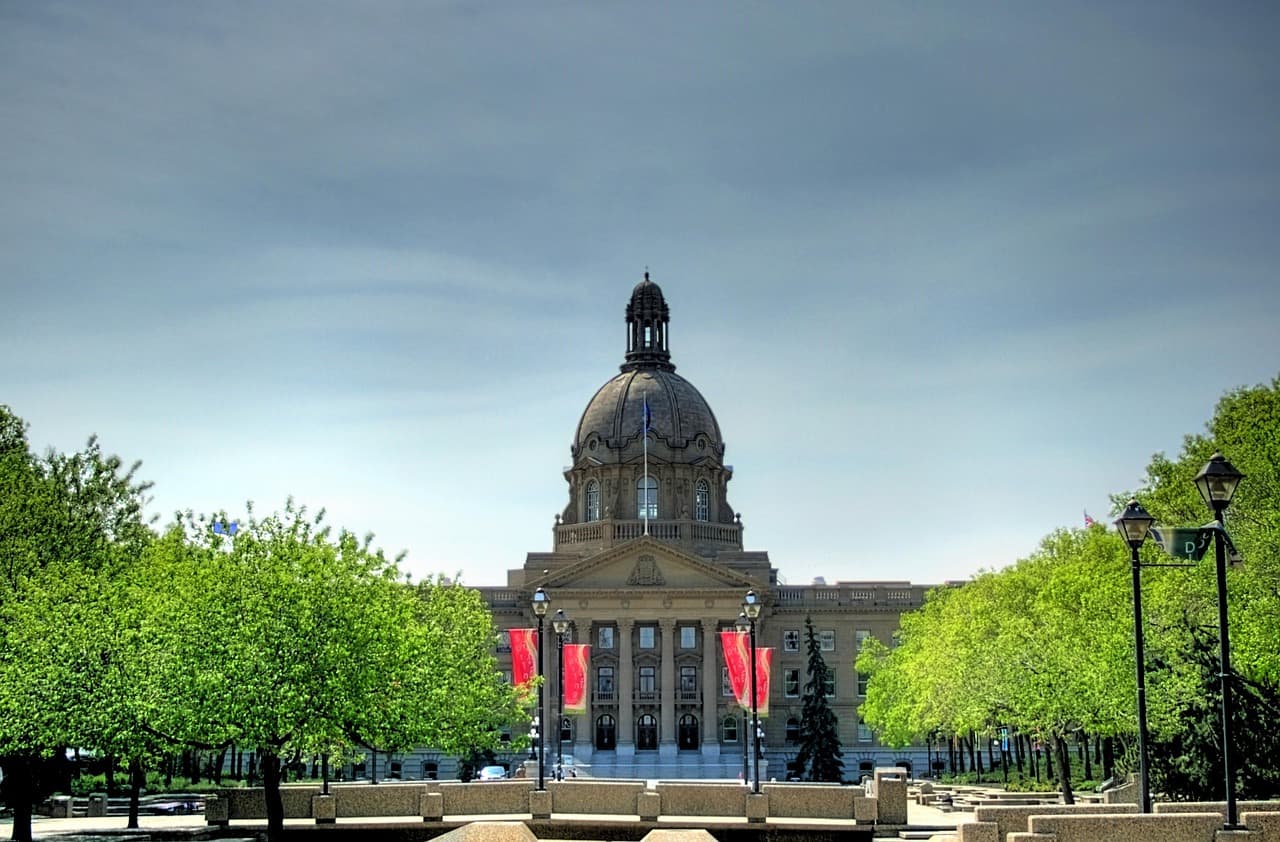
Albertans go to the polls on Monday in an Alberta independence referendum that asks a single question: should the province remain in Canada, or should it hold a second, binding independence referendum? The vote has exposed deep divisions within the province - and not only between federalists and separatists. The separatist camp itself is split over cost, timing and whether independence is feasible at all.
How the referendum came about
The ballot question exists largely because of pressure inside Premier Danielle Smith's own United Conservative party. Smith had argued for years that a referendum was not needed, but called one anyway after sustained pressure from within her party. Her caution prompted some of her supporters to accuse her of betraying the independence movement.
Separation is not the only thing on the ballot. The referendum also includes nine other measures unrelated to separation, covering proposals that affect social programmes, judicial appointments and the senate.
The secondary questions have spawned campaigns of their own:
- •One remain campaign has distributed thousands of "no to the nine" lawn signs.
- •Some separatists launched a "decline the 9" campaign.
- •Smith urged voters to back "yes to the rest".
The separatists' case - and their cracks
Separatists argue Alberta is short-changed by its financial relationship with Ottawa and prevented from fully exploiting the province's vast fossil fuel reserves.
The movement's most detailed answer to sceptics has come from Keith Wilson, an intellectual and legal architect of the cause. He recently published the Alberta transition plan, a 214-page blueprint for turning the province into an independent country. Wilson insisted every obstacle can be cleared: "Every single thing we found that needs to be addressed to do the transition is absolutely doable," calling most tasks "super easy".
He dismissed the threat of reprisals against an independent Alberta, saying "It would be economic suicide for them to challenge Alberta", and mocked any attempt to cut off trade, telling Canada's rest: "go buy axes and chainsaws because you're going to have to cut down all the maple trees to keep warm this winter."
Not every separatist agrees. Bill Jones of the Wildrose Independence party said its leaders were moving too quickly, without the institutions a new country would need, such as a police force or a pension system. "I don't see the evidence for our independence. If we go out today, we'd be a failed state for generations," Jones said.
Jones traced the grievance deep into Alberta's history: "We – Alberta – were always meant to be a colony, to get resources that were here to go east. And that mindset is still there."
The movement has also been damaged by scandal. Lawyer Jeff Rath of the Alberta Prosperity Project is alleged to have mismanaged millions of dollars of First Nations trust funds. Separately, David Parker, a longtime rightwing organiser, was at the centre of a voter-data scandal that exposed the personal information of nearly 3 million Albertans; the matter remains under investigation.
Carney campaigns for a united Canada
Prime Minister Mark Carney, who grew up in Alberta, visited both Calgary and Edmonton last week to campaign for a united Canada. Speaking to a crowd in his home province, he framed Monday's vote as a decision between building a stronger Alberta inside a greater Canada to hand to the next generation, or saddling children with years of division and uncertainty.
"This is not poker. A vote against Canada is a dangerous bluff that will lead to years of deep uncertainty and lost opportunities."
Carney, a former Bank of England governor, issued that warning on the campaign trail. "Our country and your futures are too precious to play games with," he added.
Recent polls identify Carney as the most popular politician in Alberta. He joined the province's former deputy premier Thomas Lukaszuk at a rally for the latter's Forever Canadian group. Lukaszuk has driven more than 40,000km (24,855 miles) around Alberta in a 1992 motorhome named the Unity Bus, and has distributed at least 100,000 lawn signs.
Carney also held out an economic olive branch, pointing to a proposed pipeline to the Pacific coast to increase the flow of Alberta crude oil to Asia. He acknowledged past grievances: "I won't sugar-coat it: some of those threads have needed to be repaired. The frustrations that many Albertans have felt are real." And he drew on his own childhood: "Growing up, I remember. I remember how Ottawa made Albertans feel like our resources weren't our own."
The wider opposition and old grievances
The case against separation spans party lines and city halls:
- •Former premiers Jason Kenney, a Conservative, and Rachel Notley, of the NDP, have appeared on stage together against separation, setting aside a bitter ideological rivalry.
- •Calgary's mayor Jeromy Farkas said he was "duty bound" to speak out about the perils of an attempt to fracture the country. "There will be catastrophic impacts that would arise from separation," he said.
- •Farkas reassured Calgarians: "If you are living here in Calgary, you are welcome here. We need to continue to signal that. We need to telegraph that stability."
- •Smith herself did not campaign for independence. In June she estimated the cost of separating at about C$400bn (£212bn) for the transition, plus $25bn-$50bn annually to start a new country.
- •The University of Calgary's school of public policy said in June that separation could cost up to $170bn over a five-year period, and would be highly unpredictable long term.
- •In October, details emerged of meetings between unelected Alberta separatists and both Republican operatives and staff at the US state department. The separatists allegedly discussed how oil royalties could be directed to the US in exchange for assistance establishing a new country, and offered Alberta's fresh water resources.
- •First Nations successfully sued to force Alberta to dismiss the separation question or change its wording, citing five treaties signed with the crown before the creation of the province.
Blackfoot Confederacy president Chief Troy 'Bossman' Knowlton said the treaties covering Alberta's land are living documents, and that the province holds no constitutional right to separate. He accused separatists of ignorance and bigotry over treaty rights, and said they treated First Nations "as a speed bump they could just drive over".
The energy grievances driving the movement have long roots. They date to the 1980 national energy programme, which sought greater federal control over the energy sector, provoked fierce opposition in Alberta and eroded Liberal support in western Canada. The sense of economic grievance is older still: a 1915 cartoon, "The Milch Cow", depicted Alberta, Saskatchewan and Manitoba as farmers feeding a cow whose milk went into buckets labelled Ottawa, Toronto and Montreal.
Tragedy on the eve of the vote
On Saturday afternoon, a deadly blaze tore through the CFB Wainwright and into the nearby town. Canada's armed forces announced multiple deaths and injuries with "profound sadness".
The referendum takes place on Monday, when Albertans answer whether to remain in Canada or hold a second binding independence referendum.