Tuesday, October 20, 2026

english

HAUT MONDE

POST

Technology

• Analysis

AI Tool Predicts Cancer Survival From a Single Face Photo, Study Suggests

Researchers at Mass General Brigham have built an AI system - an ai cancer survival selfie tool - that estimates a cancer patient's biological age and survival chances from a single facial photograph, according to a study published in the Lancet Digital Health journal.

By Haut Monde Post

• October 20, 2026

• 3 Min Read
AI Tool Predicts Cancer Survival From a Single Face Photo, Study Suggests

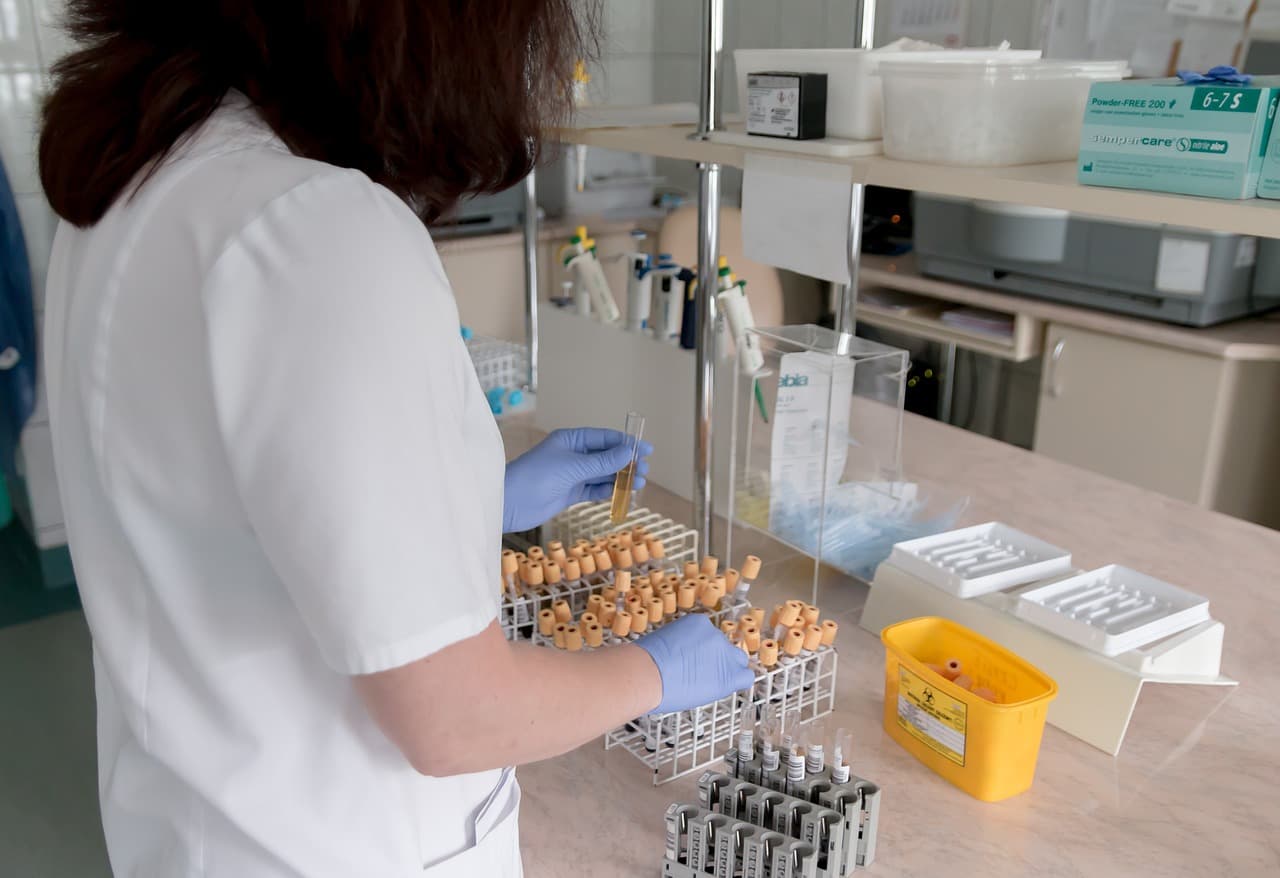
Doctors have built an AI cancer survival selfie tool that estimates a patient's chances of survival from one photograph of the face. The system was custom-built by experts at Mass General Brigham, a nonprofit academic healthcare system in Massachusetts, and the study appeared in the Lancet Digital Health journal.

Two tools from one model

The system works from an ordinary face photograph and estimates biological age - the age a person looks rather than their chronological age - alongside survival odds for cancer patients. Researchers built two tools from the same underlying model.

  • •FAHR-FaceAge estimates a patient's biological age and predicts cancer survival
  • •FAHR-FaceSurvival predicts survival directly from a facial photograph

Although derived from the same model, the two tools captured different and complementary information about a patient's health.

What the numbers showed

Among US cancer patients treated with radiotherapy, those who looked five or more years older than their actual age by FAHR-FaceAge had a 21% higher risk of dying during an average four-year follow-up than the rest. Patients who looked five or more years younger had a 17% lower risk of dying. The results suggest biological age estimates are closely linked to physical health, which could reflect a patient's ability to survive certain treatments.

How the model reads a face

The model was trained on data from more than 40 million facial photographs across a range of ethnicities and ages. Co-senior author Hugo Aerts said FAHR-Face learns a general representation of the face from those images that can then be adapted to distinct health outcomes such as biological age and survival, a scalable foundation-model approach.

The two tools also read different regions. FAHR-FaceAge focuses on the creases running from the sides of the nose to the corners of the mouth, the forehead just above the eye sockets and the temples, while FAHR-FaceSurvival evaluates the area below the eyes and around the nasal bridge. Dr Raymond Mak said FAHR-FaceAge was consistent across pose, lighting, facial expression and makeup, and stable across most tested plastic surgery procedures, with only a small shift after rhinoplasty.

What the researchers say

Aerts said FAHR-FaceSurvival advances facial health recognition AI by learning survival risk directly from facial photographs of patients with cancer and that, to his knowledge, it is the first AI model to predict cancer survival directly from a simple photograph. The tool could help doctors better predict the risk of death or complications after major surgery or other cancer treatments.

Radiation oncologist Dr Mak said physicians need better ways to estimate physical reserve and frailty before recommending intensive treatments such as radiation, surgery or systemic therapy as the population ages. He said the goal is to make face photograph-based health assessment more quantitative, consistent and scalable, so it can support personalised treatment decisions rather than replace physician judgment.

"Our goal is to make face photograph-based health assessment more quantitative, consistent and scalable"

The researchers also found that heavy alcohol use, drug use and smoking were linked to looking biologically older in the AI facial analysis. Doctors cautioned that while a single facial photograph could offer an easy, low-cost way to support personalised treatment decisions, more research is needed before the tool can be widely used.

HAUT MONDE POST

Independent journalism of the highest standard. A chronicle of world culture, politics, arts, and public thought.

Publication

AboutEditorial

Newsletter

Get the best Haut Monde Post content delivered to your inbox every week.

© 2026 Haut Monde Post. All rights reserved. Digital edition hautmondepost.com.

Tuesday, Oct 20, 2026

english

Technology

• Analysis

AI Tool Predicts Cancer Survival From a Single Face Photo, Study Suggests

Researchers at Mass General Brigham have built an AI system - an ai cancer survival selfie tool - that estimates a cancer patient's biological age and survival chances from a single facial photograph, according to a study published in the Lancet Digital Health journal.

By Haut Monde Post

Oct 20, 2026 • 3 Min Read

AI Tool Predicts Cancer Survival From a Single Face Photo, Study Suggests

Doctors have built an AI cancer survival selfie tool that estimates a patient's chances of survival from one photograph of the face. The system was custom-built by experts at Mass General Brigham, a nonprofit academic healthcare system in Massachusetts, and the study appeared in the Lancet Digital Health journal.

Two tools from one model

The system works from an ordinary face photograph and estimates biological age - the age a person looks rather than their chronological age - alongside survival odds for cancer patients. Researchers built two tools from the same underlying model.

  • •FAHR-FaceAge estimates a patient's biological age and predicts cancer survival
  • •FAHR-FaceSurvival predicts survival directly from a facial photograph

Although derived from the same model, the two tools captured different and complementary information about a patient's health.

What the numbers showed

Among US cancer patients treated with radiotherapy, those who looked five or more years older than their actual age by FAHR-FaceAge had a 21% higher risk of dying during an average four-year follow-up than the rest. Patients who looked five or more years younger had a 17% lower risk of dying. The results suggest biological age estimates are closely linked to physical health, which could reflect a patient's ability to survive certain treatments.

How the model reads a face

The model was trained on data from more than 40 million facial photographs across a range of ethnicities and ages. Co-senior author Hugo Aerts said FAHR-Face learns a general representation of the face from those images that can then be adapted to distinct health outcomes such as biological age and survival, a scalable foundation-model approach.

The two tools also read different regions. FAHR-FaceAge focuses on the creases running from the sides of the nose to the corners of the mouth, the forehead just above the eye sockets and the temples, while FAHR-FaceSurvival evaluates the area below the eyes and around the nasal bridge. Dr Raymond Mak said FAHR-FaceAge was consistent across pose, lighting, facial expression and makeup, and stable across most tested plastic surgery procedures, with only a small shift after rhinoplasty.

What the researchers say

Aerts said FAHR-FaceSurvival advances facial health recognition AI by learning survival risk directly from facial photographs of patients with cancer and that, to his knowledge, it is the first AI model to predict cancer survival directly from a simple photograph. The tool could help doctors better predict the risk of death or complications after major surgery or other cancer treatments.

Radiation oncologist Dr Mak said physicians need better ways to estimate physical reserve and frailty before recommending intensive treatments such as radiation, surgery or systemic therapy as the population ages. He said the goal is to make face photograph-based health assessment more quantitative, consistent and scalable, so it can support personalised treatment decisions rather than replace physician judgment.

"Our goal is to make face photograph-based health assessment more quantitative, consistent and scalable"

The researchers also found that heavy alcohol use, drug use and smoking were linked to looking biologically older in the AI facial analysis. Doctors cautioned that while a single facial photograph could offer an easy, low-cost way to support personalised treatment decisions, more research is needed before the tool can be widely used.

HAUT MONDE POST

Independent journalism of the highest standard. A chronicle of world culture, politics, arts, and public thought. Published and printed daily in Paris, France.

Publication

AboutEditorial

Newsletter

Get the best Haut Monde Post content delivered to your inbox every week.

© 2026 Haut Monde Post. All rights reserved. Digital edition hautmondepost.com. Published in Paris.

Tuesday, Oct 20, 2026

english

Technology

• Analysis

AI Tool Predicts Cancer Survival From a Single Face Photo, Study Suggests

Researchers at Mass General Brigham have built an AI system - an ai cancer survival selfie tool - that estimates a cancer patient's biological age and survival chances from a single facial photograph, according to a study published in the Lancet Digital Health journal.

By Haut Monde Post

Oct 20, 2026 • 3 Min Read

AI Tool Predicts Cancer Survival From a Single Face Photo, Study Suggests

Doctors have built an AI cancer survival selfie tool that estimates a patient's chances of survival from one photograph of the face. The system was custom-built by experts at Mass General Brigham, a nonprofit academic healthcare system in Massachusetts, and the study appeared in the Lancet Digital Health journal.

Two tools from one model

The system works from an ordinary face photograph and estimates biological age - the age a person looks rather than their chronological age - alongside survival odds for cancer patients. Researchers built two tools from the same underlying model.

  • •FAHR-FaceAge estimates a patient's biological age and predicts cancer survival
  • •FAHR-FaceSurvival predicts survival directly from a facial photograph

Although derived from the same model, the two tools captured different and complementary information about a patient's health.

What the numbers showed

Among US cancer patients treated with radiotherapy, those who looked five or more years older than their actual age by FAHR-FaceAge had a 21% higher risk of dying during an average four-year follow-up than the rest. Patients who looked five or more years younger had a 17% lower risk of dying. The results suggest biological age estimates are closely linked to physical health, which could reflect a patient's ability to survive certain treatments.

How the model reads a face

The model was trained on data from more than 40 million facial photographs across a range of ethnicities and ages. Co-senior author Hugo Aerts said FAHR-Face learns a general representation of the face from those images that can then be adapted to distinct health outcomes such as biological age and survival, a scalable foundation-model approach.

The two tools also read different regions. FAHR-FaceAge focuses on the creases running from the sides of the nose to the corners of the mouth, the forehead just above the eye sockets and the temples, while FAHR-FaceSurvival evaluates the area below the eyes and around the nasal bridge. Dr Raymond Mak said FAHR-FaceAge was consistent across pose, lighting, facial expression and makeup, and stable across most tested plastic surgery procedures, with only a small shift after rhinoplasty.

What the researchers say

Aerts said FAHR-FaceSurvival advances facial health recognition AI by learning survival risk directly from facial photographs of patients with cancer and that, to his knowledge, it is the first AI model to predict cancer survival directly from a simple photograph. The tool could help doctors better predict the risk of death or complications after major surgery or other cancer treatments.

Radiation oncologist Dr Mak said physicians need better ways to estimate physical reserve and frailty before recommending intensive treatments such as radiation, surgery or systemic therapy as the population ages. He said the goal is to make face photograph-based health assessment more quantitative, consistent and scalable, so it can support personalised treatment decisions rather than replace physician judgment.

"Our goal is to make face photograph-based health assessment more quantitative, consistent and scalable"

The researchers also found that heavy alcohol use, drug use and smoking were linked to looking biologically older in the AI facial analysis. Doctors cautioned that while a single facial photograph could offer an easy, low-cost way to support personalised treatment decisions, more research is needed before the tool can be widely used.