World
• Analysis
Colorado wildlife overpass cut collisions by 91% in first 10 months
A newly released report found that a Colorado wildlife overpass on Interstate 25 between Denver and Colorado Springs cut wildlife-vehicle collisions by 91% in the 10 months since its completion.
By Haut Monde Post
• October 19, 2026
• 3 Min Read
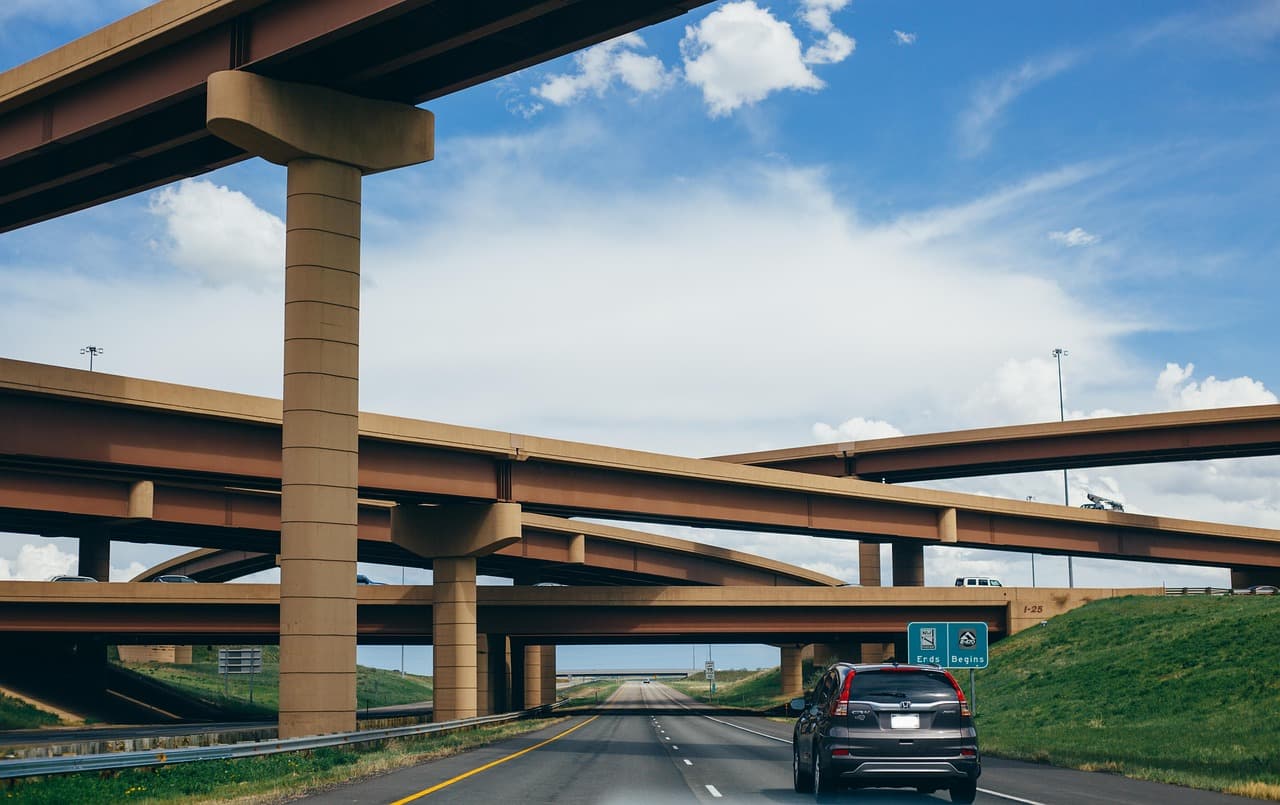
The Colorado wildlife overpass opened above a corridor where crashes were once routine, and a report released this month puts the early results among the strongest recorded: a 91% drop in wildlife-vehicle collisions in just 10 months of operation.
A corridor that once averaged a crash a day
According to the Colorado department of transportation, the stretch of Interstate 25 the bridge spans previously averaged one wildlife-vehicle crash per day. The crossing sits between the state's two biggest cities, Denver and Colorado Springs, and carries animals over six lanes of traffic. The region is known for high movement of large game, which made the corridor a priority site.
Who is crossing, and how the bridge is built
The structure is covered in grass and measures 200ft wide and 209ft long, with gradually sloped entrances that connect 39,000 acres of habitat on both sides of the interstate. Officials have tracked a wide range of species on and around the crossing:
- •herds of elk, bears and pronghorn
- •northern leopard frogs
- •mule deer, coyotes, rabbits and frogs
- •the threatened Preble's meadow jumping mouse
Why officials favor overpasses
State officials say underpasses and tunnels often do not work for big animals such as elk, because they restrict mobility and do not accommodate antlers. Chuck Attardo, environmental manager for the Colorado department of transportation, said elk and pronghorn prefer big open structures with long sightlines. Pronghorn are now crossing to the west side of I-25 for the first time in decades, after years of animals traveling the corridor between Trinidad and Greenland without finding a place to cross.
Cost and what comes next
The project received $22m in federal funding and $8m from the state, but officials say they completed it for just $15m. Research cited by the state shows overpasses are successful in nearly eliminating such accidents and often pay for themselves by preventing costly crashes.
Brandon Marette, a wildlife biologist for Colorado parks and wildlife, described an elk mother and her calf photographed crossing under I-25 as one of his most heartwarming moments.
That elk with her calf was just standing there in safety.
The Colorado department of transportation hopes to build other wildlife crossings across the state. The Colorado structure is currently the biggest wildlife crossing in the US, where nearly 20 crossings are under way to protect habitat and reduce collisions that can injure or kill humans and animals.