• Analysis
Wes Streeting stockpiling food weeks ago amid UK threat fears
Defence secretary Wes Streeting said he began stockpiling food and water weeks ago in case of a national emergency, citing rising threats to the UK, and that his department has already begun ramping up its spending in response.
Wes Streeting, the defence secretary, has revealed he began stockpiling food and water weeks ago over fears of a national emergency, pointing to what he described as rising threats to the UK. He said his department has already started ramping up its spending in response.
What Streeting keeps on standby
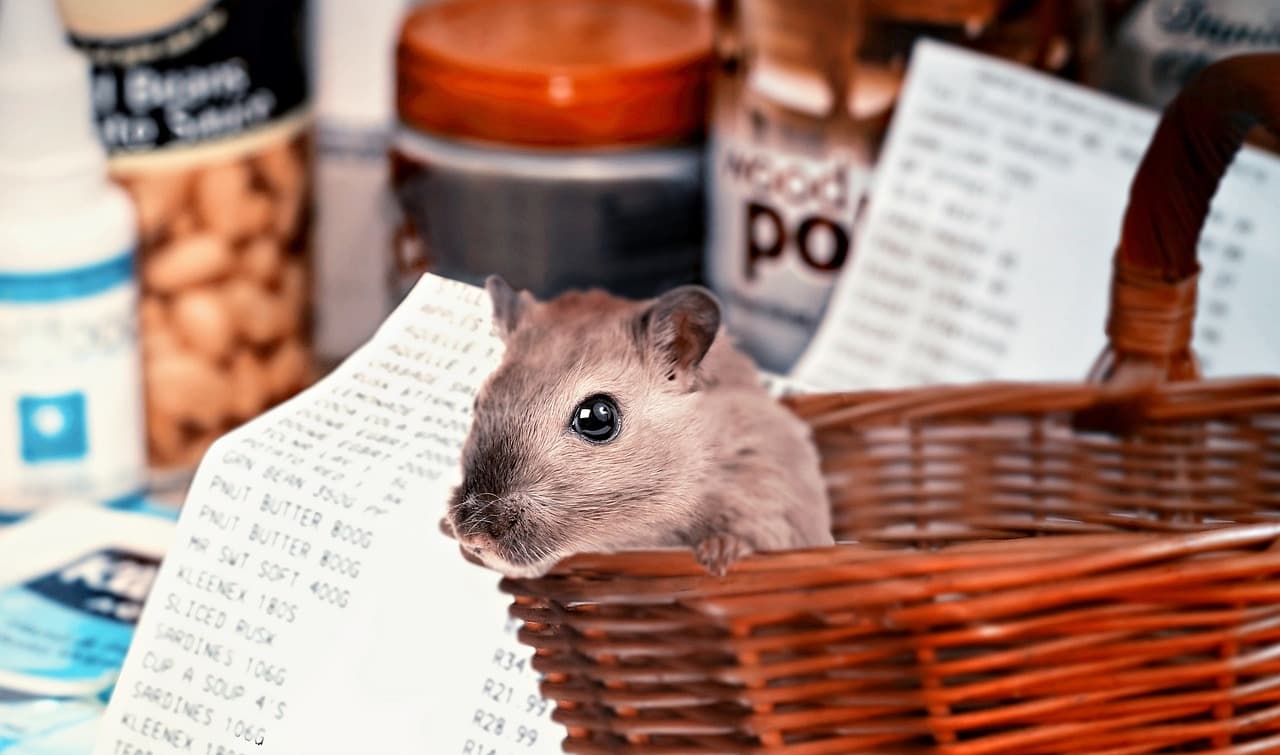
Streeting, who recently urged all Britons to stockpile, said he began setting aside supplies because he wanted to "lead by example".
His own national emergency supplies include:
- •bottled water, a first aid kit and a battery-powered torch on standby
- •baked beans, sweetcorn, red kidney beans and tuna
- •protein bars and nuts
He said he was glad people are starting to think about their own household resilience, with sufficient supplies of bottled water, canned goods and battery-powered torches. His mother even contacted him to ask how much to buy, telling him "payday is coming up, how much do you think I need" as she budgeted to the end of the month.
Ramping up spending
The stockpiling disclosure sits alongside a wider defence spending push. Chancellor John Healey said he wanted defence spending to reach 3% of GDP by 2030 and 3.5% by 2035, and has asked Whitehall departments to find 1% cuts in their budgets for long-term investment to help fund it.
Announcing his first budget on Wednesday, Healey said he was now fully funding the defence investment plan and reiterated the 3% of GDP target. Nato secretary general Mark Rutte said the UK was on "a credible path towards meeting the commitment made by all Nato allies in The Hague".
Deterrence and value for money
Streeting argued the UK should deter adversaries and, should deterrence fail, be ready to defeat them. "That is the core job. We should never lose sight of that," he said, adding that any additional spending must be done carefully.
"Spending more money badly is not virtuous," he said. He argued value for money and modernisation must be balanced to ready the UK to "fight the wars ahead".
Budget row and special forces scrutiny
Healey reached the chancellorship through drama of his own: in June he resigned as defence secretary in an event described as one of the final nails in the coffin of Keir Starmer's premiership. Now chancellor under Andy Burnham, he accused Burnham's predecessor, as well as former chancellor Rachel Reeves, of putting the country's security at risk through inadequate funding of the defence investment plan. In his resignation letter, he wrote: "I am now left with no other option than to submit my resignation as your defence secretary."
In separate remarks to the Times, Streeting said the courts were in the middle of an "active campaign" to "smear the reputation and integrity of our special forces". He left the door open to scrutiny of special forces and nuclear weapons by MPs and peers on the intelligence and security committee, saying they could be trusted.
Details of how Healey reaches the 3% of GDP defence target have been criticised for being left until next year's spending review - the next step in the process.