• Analysis
'Last fortress' no more: Mouria cafe in Exarchia closes as Athens countercultural area gentrifies
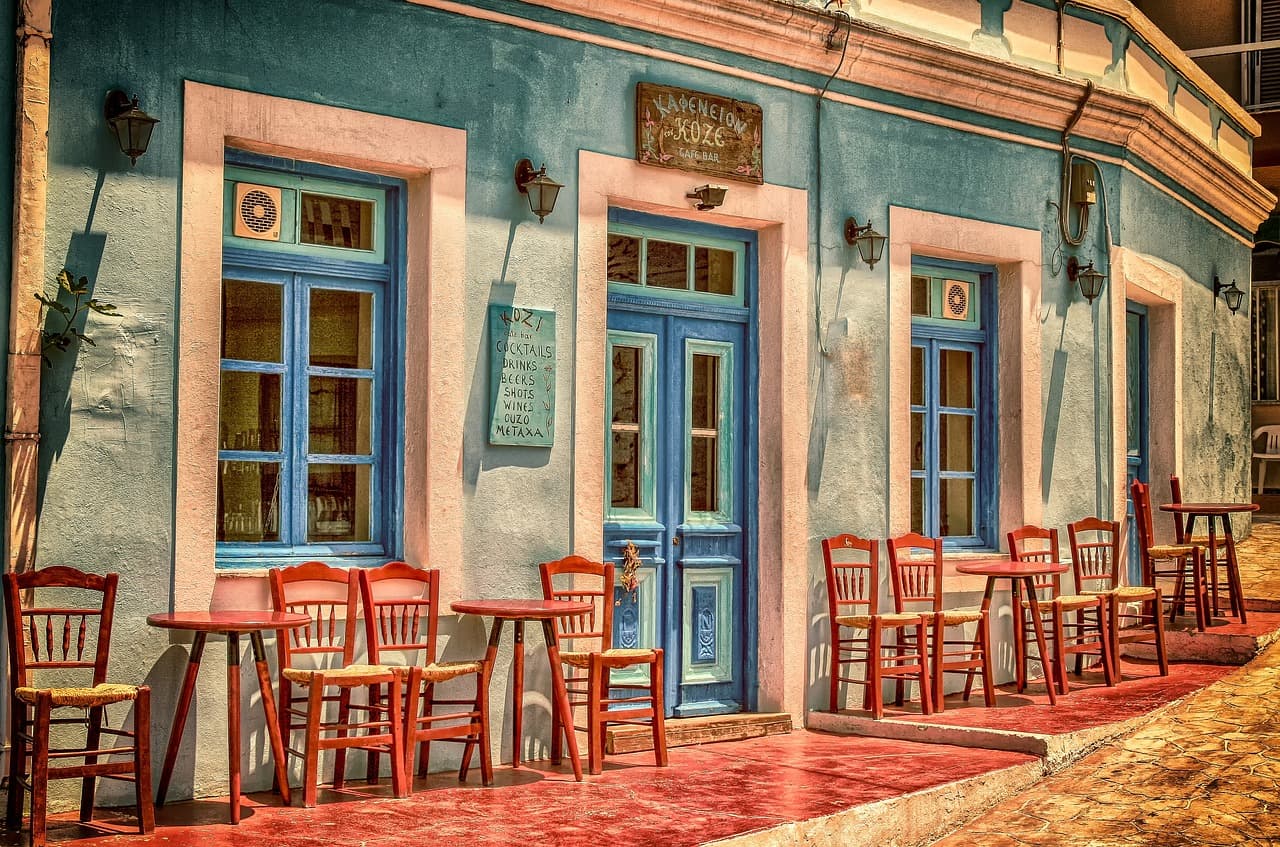
Mouria, a historic cafe on the corner of Charilaou Trikoupi and Kallidromiou streets in Exarchia, Athens, closes permanently this Sunday after its lease expired and the building's owners declined to renew the tenancy.
A 44-year daily ritual ends
For 44 years, Christos Vanas, a former waiter, opened the doors of Mouria in Exarchia. Every day he arrived at 7am, the first person inside, before he had his own first coffee of the day.
His daughter Areti described the routine that went with it. On Saturdays, he opened by 5am to serve tsipouro and other spirits to street-market stallholders warming up before work.
- •The cafe stood on the corner of Charilaou Trikoupi and Kallidromiou streets
- •The large, iron-framed doors shut for good on Sunday
Patrons mourn a 'friend'
Nontas Papayannis, a retired barrister who visited at least four times a week within an hour of noon, said the loss would be personal.
It will be as if a friend died.
Papayannis added that it was "another loss in a Greece that is dying before our eyes."
Stelios Goutis, an 83-year-old actor of more than six decades who played Papa Triantafyllos, a priest fond of a tipple, in the TV series Hara's Cafe, described what the cafe gave him: "It's a form of psychotherapy."
Maria Tsampra, a longtime patron and former employee of the defunct leftwing newspaper Eleftherotypia, said the closure is as much about "erasing memory" as about a business shutting. She saw "this attempt at revisionism, of controlling us through the rewriting of history." "In Mouria we found a haven and we won't be forgetting it anytime soon," she added.
Exarchia under pressure
The district has long been viewed as the nerve centre of Athens' counterculture and leftwing scene, an anti-authoritarian tradition traced to the Athens Polytechnic uprising, credited with the collapse of rightwing military rule in 1974.
The pressures on it have mounted:
- •Tourist numbers in the Greek capital have more than doubled over the last decade, drawing investors to the neighbourhood
- •Travel platforms began advertising tours of Exarchia hangouts, and Areti said groups appeared outside the cafe
- •English-language shop signs spread and buildings were turned into suites and short-term rentals
- •A metro station built in the main square, championed by the centre-right government, brought increased policing and deprived residents of their one open gathering space
Nicos Souliotis, a sociologist at the National Centre for Social Research, said state policies in Exarchia are "clearly aimed at imposing social discipline and control."
A failed rescue and a district's shift
An online campaign urging the Greek culture ministry to declare the cafe a protected heritage site gathered 7,500 signatories, but the ministry did not intervene. The drama began when the premises' lease expired last summer, and the building's owners announced they would not be renewing the tenancy.
Areti said Mouria resisted the transformation around it: "We were like the last fortress here." "We didn't change our menu, we didn't raise our prices or serve Aperol spritzes," she said.
The closure reflects a broader decline of traditional Greek kafeneia across the country, including in villages, where coffee houses once considered the life and soul of communities are vanishing.
After a send-off expected to last into the small hours, the cafe's doors will shut forever on Sunday.