• Analysis
MV Odyssey cruise ends as passengers ordered off ship in Cambodia
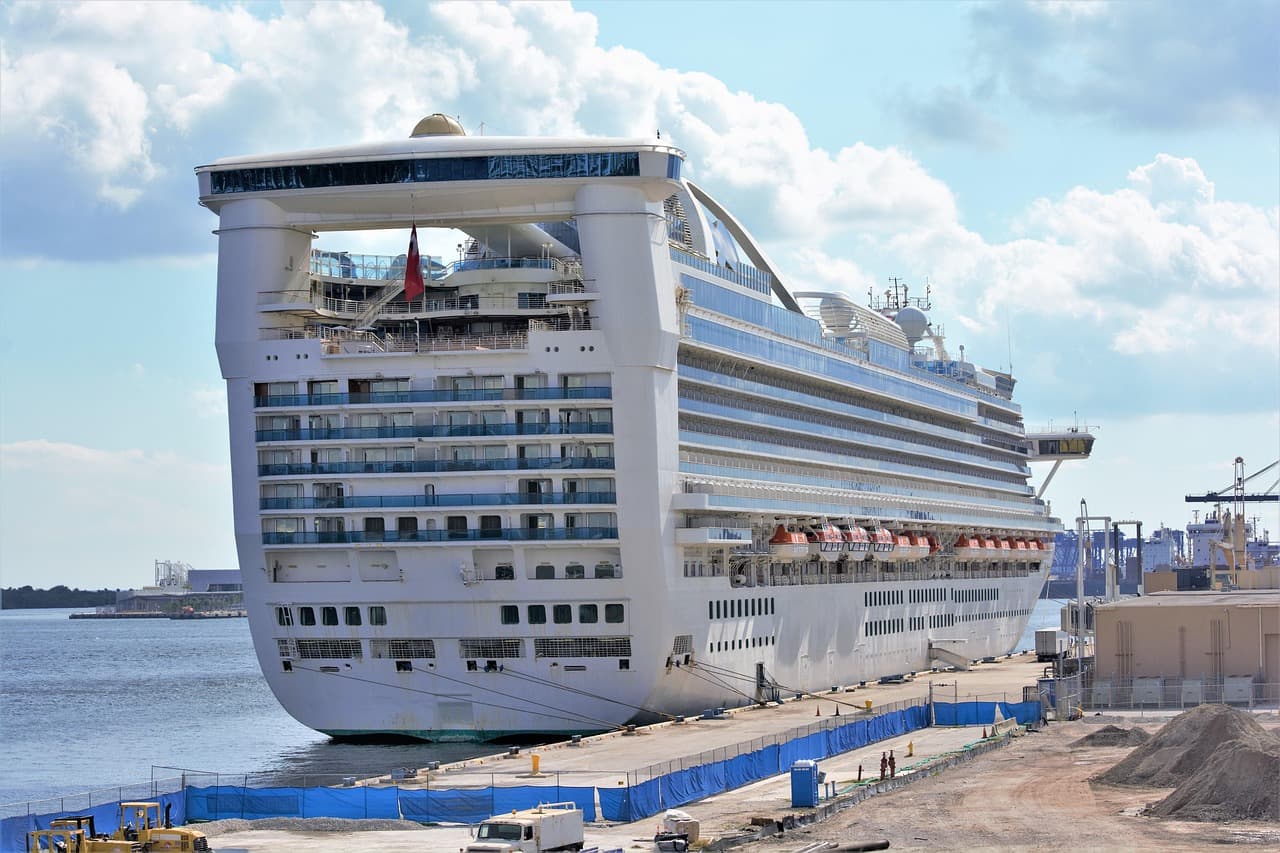
The MV Odyssey cruise came to an abrupt end in Cambodia, where passengers were given seven hours to disembark after operator Villa Vie Residences said it could no longer secure the fuel to continue the voyage.
Seven hours to leave the ship
The four-year voyage of the MV Odyssey, the residential cruise ship run by Florida-based Villa Vie Residences, ended in Cambodia with a loudspeaker announcement. Passengers heard that the operator was unable to secure the fuel necessary to continue operations, and an email told everyone to disembark by 2pm. They had seven hours to get off, and the ship was going no further than Cambodia.
From the pier they were transported on buses into the Cambodian port city of Sihanoukville on the Gulf of Thailand.
"People were shell-shocked, numb, crying," said one passenger, Kit Cassingham.
The dream that sold a four-year escape
The Odyssey had set sail from Belfast, Northern Ireland, in October 2024, marketed as a four-year "skip forward" for people unhappy with Donald Trump's re-election. For $319,998, a couple could buy the presidential-term-length voyage, with permanent residency available for a few hundred thousand more, plus monthly fees covering food, drinks, wifi, wellness and cleaning.
Life aboard the 642ft (196 metres) ship, which carried more than 200 passengers and an international crew of 156 including a doctor and two nurses, promised:
- •access to a pool, a pickleball court, a theatre, several bars and a gym
- •calls at exotic ports
The vessel had a previous life as MS Braemar, a traditional cruise liner turned away from several ports in the Caribbean during the pandemic when its passengers became ill - only Cuba let it dock. Sold by Fred Olsen Cruises and adapted, Villa Vie called the three-decade-old vessel "an intimate residential cruise ship offering a new way to live".
How the money ran out
Villa Vie Residences said it ran out of money because of soaring oil prices, with monthly fuel costs per cabin in parts of Asia rising to as much as $8,000 from $1,800. The company said that since the conflict began in late February it had taken significant steps to reduce fuel consumption, but slowing the itinerary and spending more time in port had not offset the costs.
The strain had shown earlier. While docked in Singapore in August, passengers were told the company lacked money to continue cruising, and several of the residents contributed their own funds to get it moving again. On the final night, staff asked each passenger to contribute $1,800 to ensure the ship had funds to travel to Bangkok. Randy Cassingham said the ship buys 150 metric tonnes of fuel at a time - about $800,000 for a full tank.
Stranded in Sihanoukville
Passengers said the company provided no financial aid and not even a list of hotels. Sherrie Cornett wrote on Facebook that they were "dropped unceremoniously in the middle of town, left to our own devices".
Those now ashore include:
- •Holly Hennessy, who had lived on the ship with her cat Captain since it set sail two years ago
- •Lanette Canen and Johan Bodin, who said they bought a cabin with a 15-year guarantee, documented life at sea on YouTube, and had seen signs of financial distress for weeks - "I'm Mr Super Positive, and I've felt really drained the last two months," Bodin said
- •Rina Cavazza, a pilates instructor from Brisbane, Australia, who said: "We knew the worst-case scenarios, but we didn't think it would come to reality"
Kit Cassingham, who spent two years aboard with her husband Randy, said the ship's energy had changed after the Strait of Hormuz incident, with cutbacks in food quality and shore excursions that residents were not told about. Passengers passed a jar around for the crew, who are also stuck in Cambodia, and few expect their own money back.
What happens next
The company said it would evaluate restructuring over 60 days, and later offered a charter flight to the US, though many passengers had already left.
Mikael Petterson, who launched Villa Vie Residences in 2023, accepted he was the "villain in the story" but said he was doing everything he could to help stranded passengers. "Nobody that's tried residential cruising has succeeded and we have gone further than anyone else," he said, adding: "I think we would have been absolutely fine and we would have seen this through, if there was no Iran war".
Industry analyst Prof Andrew Coggins said the episode is unlikely to put people off cruises, with global passengers reaching a historical high of 37.2 million in 2025. Residential ships are a very small category - "The World is the only other one I know about" - and in 2023 a three-year Miray Cruises voyage, with fares from $30,000 per person per year, was cancelled weeks before departure because the sums did not add up.