World
• Analysis
Macron makes unannounced Riyadh visit as Houthi attacks intensify and France seeks diesel
French President Emmanuel Macron made an unannounced visit to Riyadh on Wednesday, the first Western leader to arrive in Saudi Arabia since Iran-backed Houthis intensified attacks this month, seeking to show solidarity and secure oil and diesel to lower fuel prices in France.
By Haut Monde Post
• October 21, 2026
• 3 Min Read
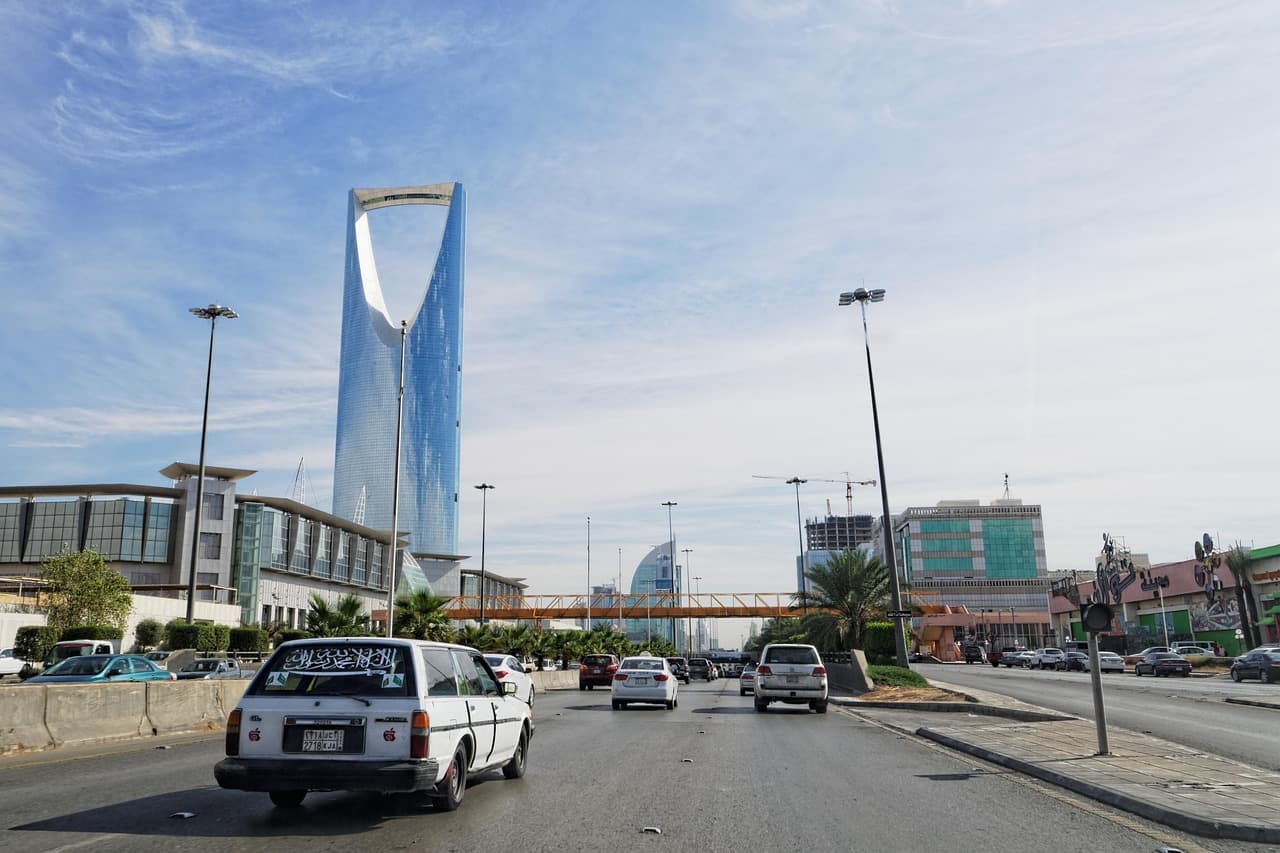
A brief stop and a meeting with Mohammed bin Salman
Macron's macron Riyadh visit on Wednesday was not on any published schedule. According to an AFP journalist on the scene, he spent less than three hours on the ground. The Élysée Palace said he met de facto Saudi leader Crown Prince Mohammed bin Salman. The French presidency had said before the trip that it would demonstrate France's solidarity with the kingdom in the face of Houthi attacks on its territory.
Diesel deal and security talks
The stop was part of a Gulf tour to secure oil and diesel imports and bring down fuel prices in France. It produced a commitment from Saudi Arabia to supply additional diesel to France for as many months as necessary, along with agreements to consult on expanded security cooperation and infrastructure projects to bypass the blockaded Strait of Hormuz.
Elsewhere on the tour, Macron secured:
- •an additional 200,000 tonnes of diesel per month from the United Arab Emirates and Bahrain
- •two terawatt-hours per month of LNG from Qatar
Yanbu deployment and Western backing
Macron said France had deployed personnel and capabilities for the past eight days to help shield the Saudi oil terminal of Yanbu on the Red Sea, in a defensive role. He also said discussions with the Houthis should resume. Last month he said in a televised interview that France would send military means to help protect the terminal from Houthi attacks.
Yanbu matters to Riyadh because Saudi Arabia, the world's biggest crude exporter, had been relying on it to export oil after Iran blockaded the Strait of Hormuz at the start of the Middle East war.
The UK is also stepping in. On Tuesday, the British government announced it would deploy fighter jets to help Saudi Arabia defend itself against the increasing attacks.
Why tensions flared
The escalation traces back to July 2025, when a truce in Yemen dating back to 2022 fell apart after the Houthis allowed an Iranian plane to land in Sanaa in defiance of Riyadh's control over Yemeni airspace. The Houthis later declared a maritime blockade of Saudi Arabia, attacked its ships, territory and oil facilities, and launched a September offensive in which they seized government-held territory along the Red Sea coast.
The Saudi air force has since frequently targeted the group in support of pro-government forces. Recent attacks have reached an unprecedented scale, forcing Riyadh to shut its main airport and postpone a major investment conference.
The domestic stakes for Macron are high. His trip followed a weekend of violent protests in France over soaring living costs, and he told reporters he was doing his job to ease tensions over gas prices, a cause of social unrest. He said: "There must be no sign of febrility. I am fulfilling my role. I am at my post."
Saudi Arabia has agreed to keep supplying additional diesel to France for as many months as necessary, with the two sides to consult on expanded security cooperation and infrastructure projects to bypass the blockaded Strait of Hormuz.