Culture & Arts
• Analysis
Afrobeats hypemen turn catchphrases and 100,000-volt energy into a profession
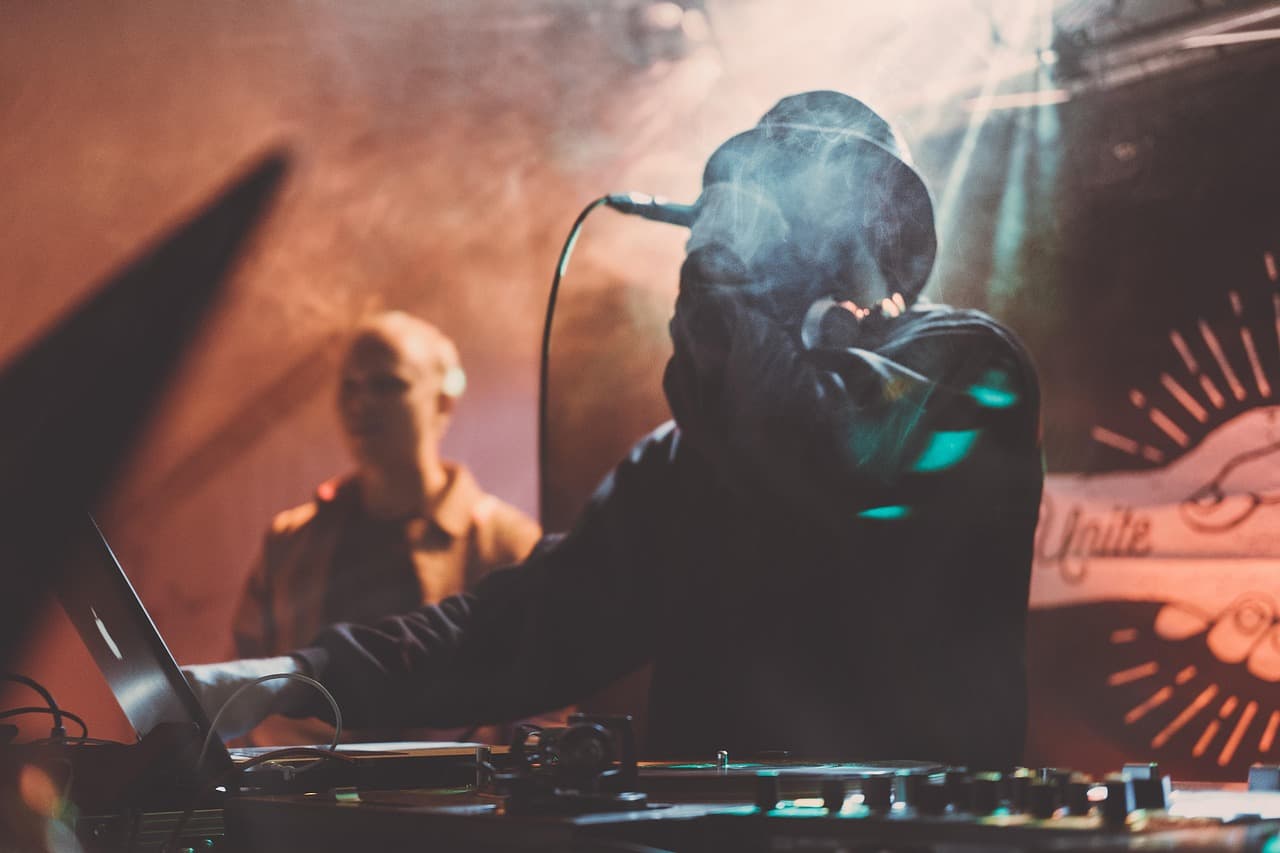
Afrobeats hypemen - performers who shout ad-libbed vocals over beats rather than sing or rap - have become headline acts from Lagos nightclubs to parties abroad, and names like Toby Shang are building careers and schools around the craft.
By Haut Monde Post
• October 18, 2026
• 4 Min Read
From nickname to hit song
Tobi Michael Adeyeye, the 32-year-old now known as Toby Shang, picked up the name at the University of Lagos: classmates in the 2015 history freshmen cohort began calling him Toby Shang, after the 16th-century Chinese dynasty he had focused on in a first-semester presentation.
- •His crowd-engagement skills came from high school, where he was a 'ginger-man' (energiser) in a three-man band, and from working as a private tutor.
- •By his final year, his viral catchphrases and infectious energy had resulted in a hit song, Shedibalabala.
- •He counts himself among the self-acclaimed "evangelists and pioneers" of the Afrobeats sub-genre some are now calling Afrohype or lamba.
- •His ventures now span his own rave and two EPs, while his School of Hype - a one-day masterclass paired with online mentoring - has completed four editions and produced several rising stars.
He once emceed gatherings near the university's lagoon waterfront - the spot where he gave the interview.
What a hypeman actually does
Hypemen perform high-octane ad-libbed vocals and onomatopoeic sounds over fresh beats or popular instrumentals rather than singing or rapping entirely. A popular instrumental for hyping is Dorime, a made-in-Nigeria version of 1996's Ameno by the French group Era, now a continental nightclub classic.
The craft pays. In response to hypemen, patrons donate or spray money - the Nigerian custom of throwing or placing money on someone to celebrate them. After Covid-19, as artists became more expensive to book, promoters turned to hypemen, who had been criticised for simply doing voiceovers; some are reportedly paid as much as 5-8m naira (£2,844–4,550) for a 30-minute or one-hour performance.
Deep roots, from griots to atalaku
Praise-singing and call-and-response styles, ingrained for centuries among Black populations across the Atlantic world, are where hyping in west and central Africa began. West Africa's version was kept by griots, who served as oral historians, while in the US, enslaved African Americans sustained it through negro spirituals.
The atalaku tradition - meaning "look here, look at me" in the Kikongo language - came alive in 1980s Kinshasa and led to today's hype scene. Those who have used the style range from the American gospel singer Kirk Franklin to the Congolese rumba bandleader Koffi Olomide and Awilo Longomba.
When Olomide and Longomba found wide success at the turn of the 21st century, Côte d'Ivoire caught the fever: its coupé-décalé sound absorbed atalaku, together with farotement - showing off by hurling banknotes at performers or guests. DJ Arafat's 2003 viral homage to a late friend carried the line "Tout le monde galope, kirikata kirikata", urging crowds to gallop like horses, and left its mark on later tracks by the Nigerian Afrobeats musicians Flavour N'abania and Skales.
Côte d'Ivoire's national television network, RTI, staged an atalaku talent hunt across several years. Its 2006 edition went to Lili Djely, an Ivorian woman of Malian origin, who beat male rivals using a blend of Ivorian nouchi and French. In Ghana, hype has flourished to the point that the Ghana DJ awards added an MC/hypeman of the year category in recent years.
Women in a male-dominated scene, and the critics
Afrohype is male-dominated but women have made their mark, including the Yaoundé-based bikutsi artist Lady Ponce, known as the "100,000-volt lady" for her energy. Other notable names are Deborah 'Hype Queen Baddy' Francis, an alumnus of Shang's school who died in September, and Lagos radio presenter Melody 'M.I.A' Adigo.
Dami Ajayi, a London-based doctor and cultural critic, ran into a hypeman at a party in Tirana last month and credited the performer with the gift of the gab and fine mic control. He also saw a darker side, saying the man filled the gaps between lyrics with hilarious quips, many of them frontally risque and misogynistic.
Some observers go further, saying hype is a nuisance that amps up noise levels at events or encourages fraudulent lifestyles, and that many performers do not customise language and tempo to fit the event.
Shang defends the work as more than noise. He said hypemen help people facing challenges by telling them money is coming in the new week, and that a hypeman brings out the childlike part in every person.
"A 60-year-old woman can start dancing like a young girl if the hype is good enough."
The craft keeps spreading. Hype is now common at wedding after-parties, raves and corporate parties, and one teenage Instagram sensation records 30-second hypes for birthday celebrants at the request of friends or relatives - even as some observers still call the style a nuisance.