World
• Analysis
Arizona Joins Nevada Lawsuit Against Proposed Colorado River Water Cuts
Arizona has entered Nevada's legal fight against the Trump administration's proposed Colorado River water cuts, with Governor Katie Hobbs saying the state is drawing a line in the sand.
By Haut Monde Post
• October 18, 2026
• 2 Min Read
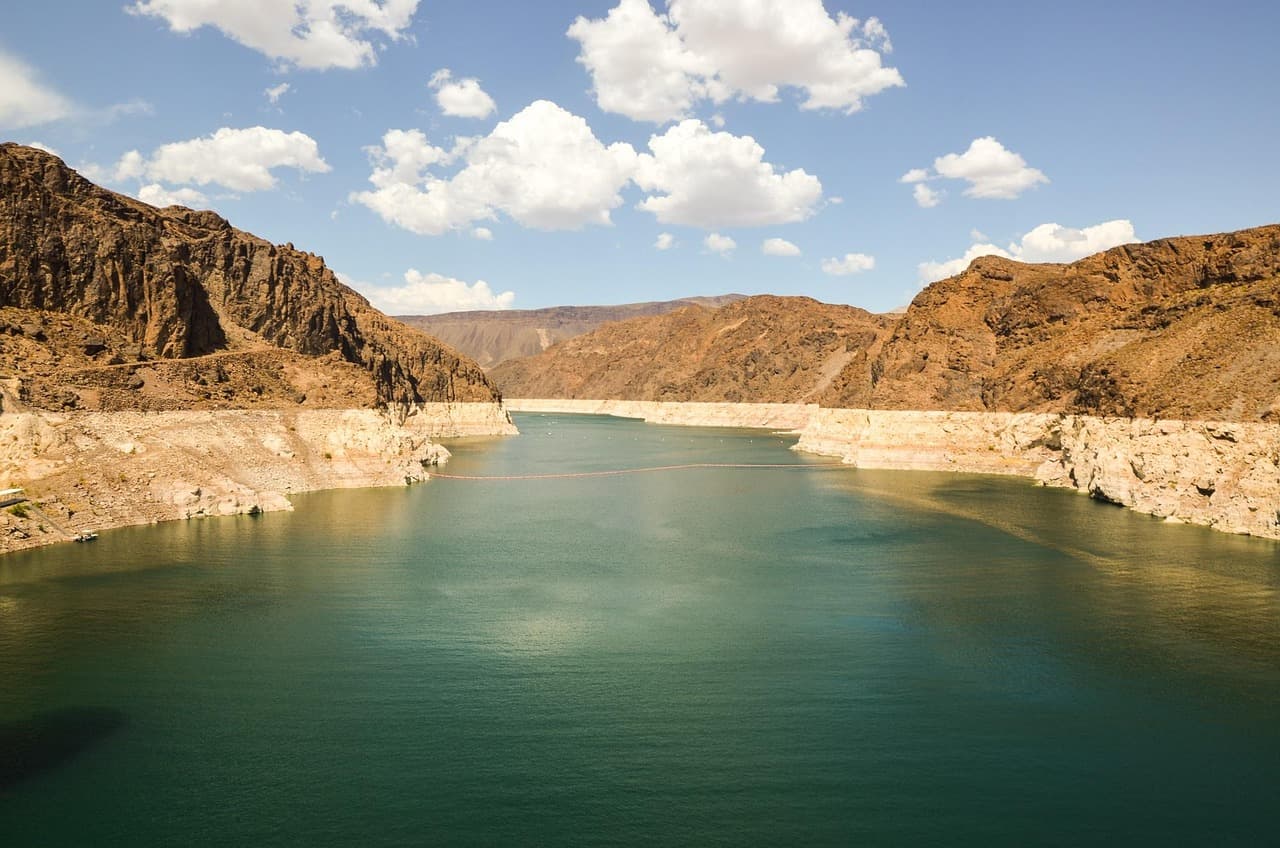
The proposed cuts and the lower basin
Restrictions announced this summer by the interior department could slash Colorado River allocations for Arizona, California and Nevada - the lower basin states - across a two-year window shaped by the river's condition. The reservoirs these states rely on, Lake Mead and Lake Powell, have plummeted to historically low levels as overuse combines with a changing climate.
- •The federal government stepped in after the states missed several deadlines for reaching a consensus.
- •Officials warned that if reservoir levels fell far enough, the river would effectively stop flowing downstream - a condition known as deadpool.
A basin divided
The seven water-sharing states were deadlocked before the announcement. The upper basin states - Wyoming, Colorado, Utah and New Mexico - argued that their downstream counterparts were responsible for the reservoir shortages and should face the largest cuts. Those four upstream states were ultimately spared from the water cuts.
Hobbs: drawing a line in the sand
Arizona governor Katie Hobbs announced the state's intervention in a Friday statement. "We are drawing a line in the sand," she said.
Hobbs said she acted alongside Nevada because, in her view, Washington will not make the Upper Basin answer for the water deliveries it owes Arizona, while threatening cuts that go beyond the Lower Basin Agreement - a two-year voluntary conservation pact among Arizona, California and Nevada.
Protecting Arizona's legal rights
"Intervention in the Nevada lawsuit is necessary at this time for Arizona to protect its legal rights to Colorado River water," said Tom Buschatzke, who leads Arizona's water department, describing the move as a way to preserve a collaborative path with California and Nevada.
The cuts remain tied to the river's condition over the next two years, leaving the states' dispute unresolved.