Culture & Arts
• Analysis
Mark Cocker reaches 1,000th article for the Guardian country diary
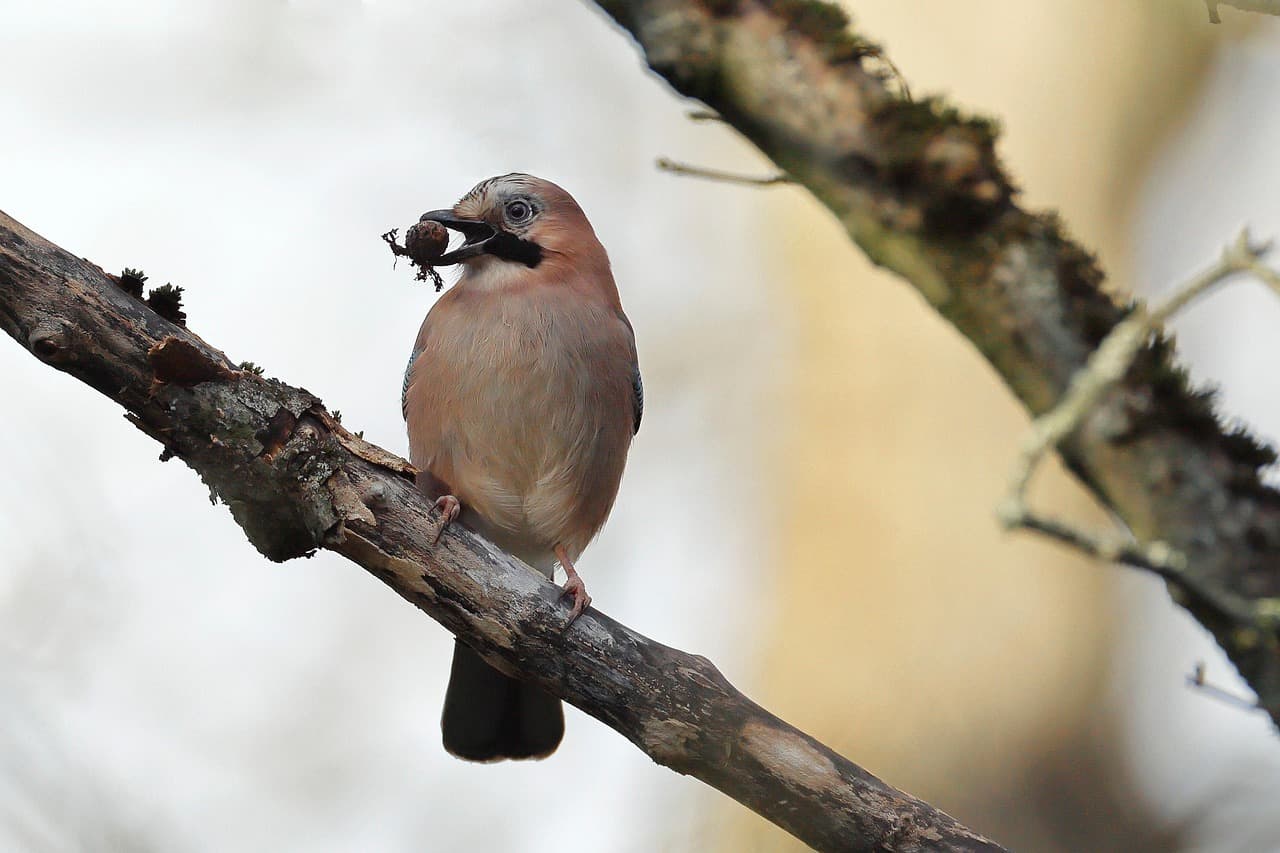
Naturalist Mark Cocker is completing his 1,000th article for the Guardian country diary, 39 years after his first, which described a jay burying acorns near Norwich in autumn 1987.
By Haut Monde Post
• October 18, 2026
• 4 Min Read
A column older than a century
Mark Cocker is completing his 1,000th article for the Guardian country diary, 39 years after his first appeared in autumn 1987. The column is described as the world's oldest column in an English-language newspaper, and its history reaches back long before Cocker joined it.
The country diary began in 1904 with the nature-loving dispatches of Thomas Coward, a retired textile bleacher from Cheshire. Today about 30 diarists write for it, spread from Cornwall to the Cairngorms. They include farmers, scientists, conservationists, a vicar, a thatcher and a forager.
From acorns near Norwich to Flint Clough
Cocker's first diary described a jay burying acorns in a field near Norwich. He now pens a fortnightly dispatch, usually from his local patch in Derbyshire.
For the piece that marks the milestone, he will reflect on the changing birdlife around Flint Clough, in the Peak District. That is where he first marvelled at rare birds aged 12, after devouring bird books in his bedroom. As a boy he found cuckoo, golden plover, ring ouzel and twite; the twite, once common, is now virtually extinct in England.
On a recent visit he saw a whole slew of buzzards, two peregrines, two marsh harriers - the first he has ever seen in Derbyshire - and several red kites.
Learning the craft of 360 words
Cocker's path to the diary was indirect. He became the first member of his family to attend university, where he studied English, and worked as a warden at Holkham national nature reserve in north Norfolk. Before writing, his jobs included refuse collector, road sweeper, potato picker and, as a student, posing nude for the local art college.
His break came after a conservationist friend wrote to the Guardian to complain about the surfeit of inconsequential diaries about cricket matches.
"She said: 'The Guardian needs to get its boots and hat and coat on, and get out into the wild,'" remembered Cocker.
His early columns covered chiffchaffs, silver-studded blue butterflies and sparrowhawks. He became a regular when the Lakeland diarist Enid Wilson fell ill; between them, Wilson and Cocker have covered a span of 76 years.
He says the diary - a compelling story about rural life in just 360 words - took him 10 years to master.
"You need quite a long apprenticeship to get it right because it's so short," he said. "It's like a haiku."
In his view, the best diaries connect the particular moment to the universal: "You have a single shaft of light and, if you can, you excavate its relationship to the other parts". He does not work from a pre-set list of subjects but seeks powerful encounters, saying he has to feel the article viscerally and that it moved him.
Why the diary matters now
Earlier this month Cocker published The Nature of Seeing, a collection of recent diaries alongside new essays. In the book he points to literary figures from Margaret Atwood to Vladimir Nabokov who shared a passion for wildlife, and writes about Inuit fishers who navigated home through fog by recognising the subtly different patterns of snow bunting songs.
"That is the level of attention to the living world which we've lost and need to recapture," he said.
Cocker believes that, for all its modesty, the country diary's time has come amid the climate and biodiversity crises. In his words, meaning has been poured on to the diary because it is a repository now for a sense of the impending crisis, and it has become a valuable philosophical place for big ideas to be shared.
Country diary editor Paul Fleckney praised him: "Mark is a gift to the diary. What you get from him is hyper-detailed knowledge with one eye on the bigger picture".
After Phil Gates retired recently following nearly 40 years on the diary, Cocker is now the longest-serving diarist.