• Analysis
UK shop price inflation hits highest level in two and a half years
UK shop price inflation rose to 2.1% year on year in October 2026, up from 1.4% in September, its highest level in two and a half years, according to the British Retail Consortium, which said retailers had begun passing on energy and food ingredient costs.
Food and non-food prices both climb
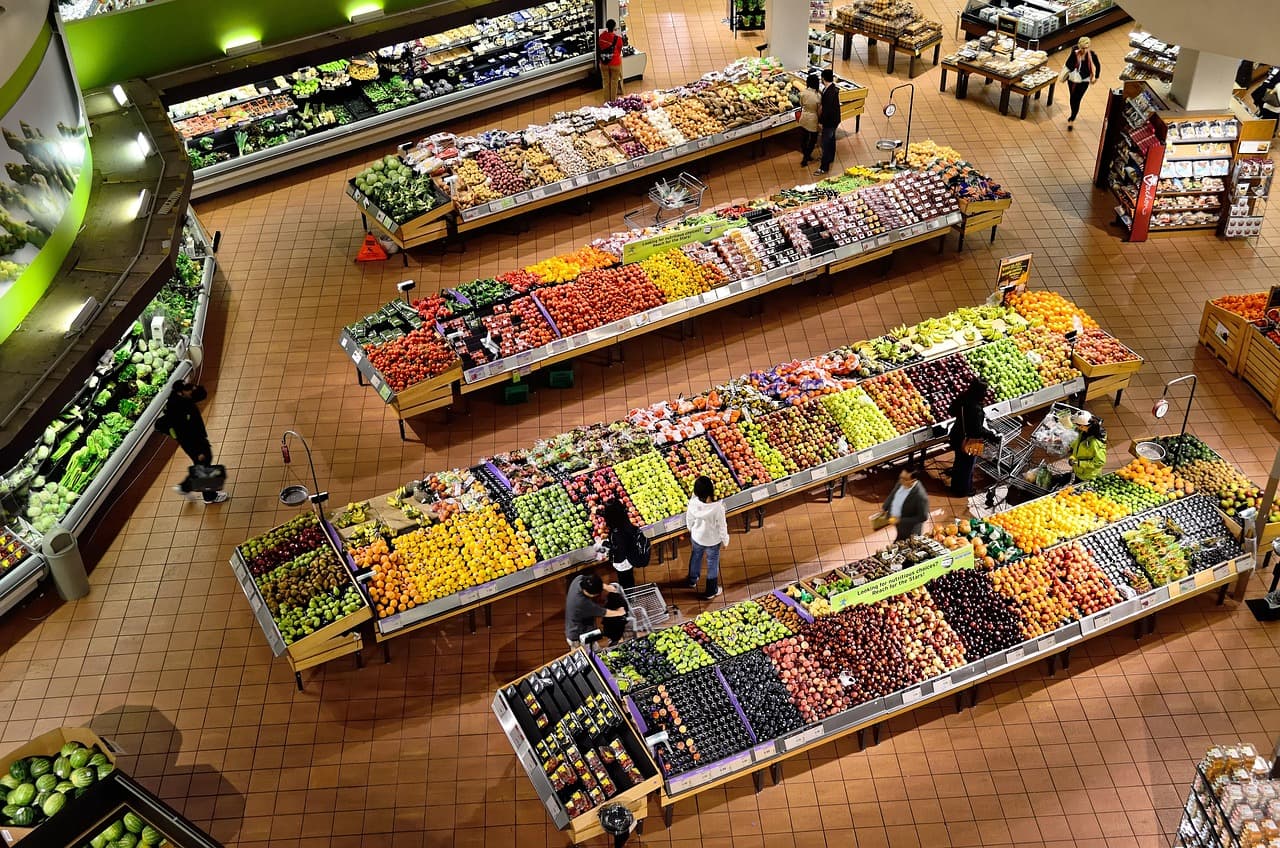
Shop price inflation in the UK reached 2.1% year on year in October, a sharp jump from September's 1.4% figure and the highest reading in two and a half years, the British Retail Consortium reported. The organisation said the rise showed retailers were beginning to pass on the growing costs of energy and food ingredients that have built up since the Middle East conflict broke out.
Both parts of the index moved higher. Food inflation climbed to 2.9% year on year in October, against a 2.5% rise in September, after staying low over the past year. Non-food inflation, which covers items such as clothing and footwear, more than doubled in the month, from 0.8% to 1.7%.
Energy costs behind the rise
The cost pressures named in the BRC's account come from several directions:
- •Brent crude oil hit $117 a barrel in recent days, far above the $70 average recorded before the US and Israel attacked Iran in February.
- •Gas prices have risen sharply as well, pushing the UK consumer prices index to 3.5% last month.
- •Consumer confidence has fallen steeply since the summer, as it became clear the Middle East conflict was unlikely to end quickly.
Until this month, retailers had largely absorbed the higher raw material costs, mainly because customer demand was weak. The BRC's latest figures suggest that approach is ending.
Retailers stop absorbing costs
Helen Dickinson, the British Retail Consortium's chief executive, described the shift in stark terms.
"The dam is starting to break on the huge wave of costs retailers have absorbed over the last two years."
Dickinson noted that even heavy discounting ahead of Halloween failed to hold the line, with supermarkets no longer able to keep the prices of tins and packets on their shelves from rising.
What comes next for rates and the budget
The figures land at a sensitive moment for policy. Bank of England officials are expected to raise interest rates next week, taking the base rate from 3.75% to 4%. If shop price rises persist, many of the Bank's nine-member monetary policy committee are likely to back further increases in December or the new year.
The readings also add pressure on chancellor John Healey ahead of his first budget on Wednesday, with backbenchers expected to press him over the cost of living in their constituencies.