Business
• Analysis
UK Energy Costs This Winter Among Europe's Highest as Imports Deepen
Great Britain is forecast to pay some of the highest energy costs in Europe this winter as its reliance on gas and electricity imports deepens, according to winter outlooks published by National Gas and the National Energy System Operator.
By Haut Monde Post
• October 23, 2026
• 4 Min Read
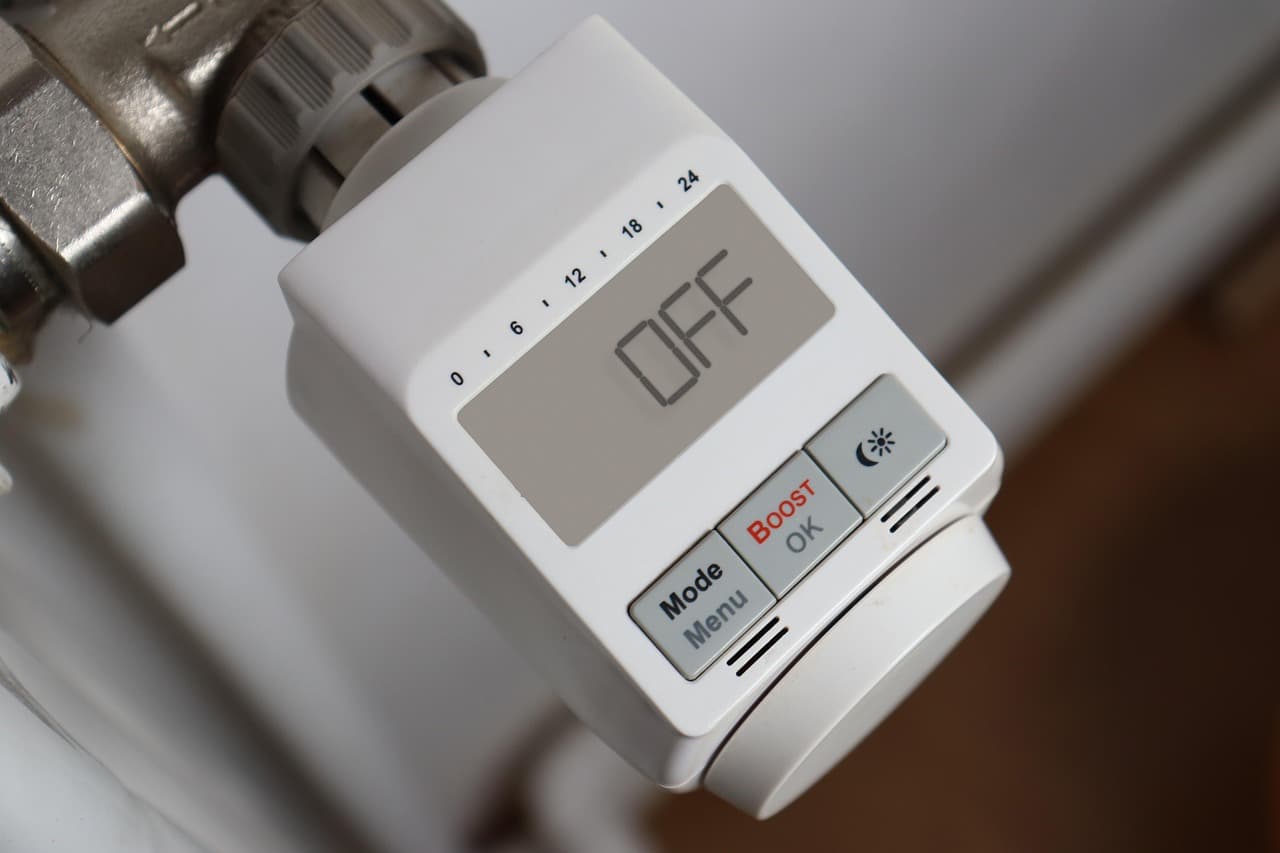
The UK energy costs winter outlooks, published by National Gas and the National Energy System Operator (Neso), warn that Britain's deepening reliance on imports will make it one of the most expensive places in Europe to keep the lights on and homes warm this winter.
Enough supply, but at a price
The operators say the country will have enough gas and electricity to meet demand over the coldest months, partly by paying higher market prices than neighbouring markets to secure imports. That task is harder now: Europe's gas benchmark climbed to its highest level since December 2022, when Russia's full-scale invasion of Ukraine sent prices rocketing, in the days before the forecasts appeared. Market prices currently stand three times higher than before the Middle East crisis severely disrupted Gulf supplies.
The 11th-hour pipeline deal
A risk to winter supply was removed only at the last minute. National Gas, operator of Great Britain's gas networks, struck an 11th-hour deal with the owner of a major Belgian pipeline to reverse a planned capacity cut and keep gas flowing through the season. Ofgem approved the deal, which adds about 10p a month to the average gas bill. Without it, the report warned there was a danger of gas running out in a worst-case scenario in which a key part of the gas network failed as temperatures plummeted.
Why Britain leans on imports
Several structural factors lie behind the country's exposure, starting with rising shipments of seaborne gas.
- •National Gas expects imports of seaborne LNG cargoes to rise by about 5% from last winter.
- •Europe ended August heading into the cooler months with gas stores at their lowest level in 13 years, after a slowdown in exports from Qatar and heavier summer use for cooling during record heatwaves.
- •The UK has some of the smallest gas stores in Europe after decades of relying on homegrown production from the North Sea.
- •UK production is forecast to fall by 6% this year compared with last winter.
- •The government approved the new Jackdaw gasfield in the North Sea earlier this week.
The winter outlook cautions that prices could remain elevated if UK gas buyers need to compete more fiercely with countries in Europe for LNG.
Electricity imports and grid costs
Neso's winter forecast expects Great Britain to be a net importer of electricity over the colder months, at higher cost than last winter because European power supplies are tighter. Summer heatwaves lowered river levels across Europe, cutting French nuclear output, and Norway's hydroelectric reserves have remained below the 10-year minimum since late July. The UK paid a record £4bn on power imports over the year ending in August, according to ONS figures, half of it on electricity from France.
Grid constraints have added to the cost, with near-record payments over the past year to fire up gas plants while wind and solar farms were paid to switch off because of bottlenecks. Gas plants will run less overall this winter thanks to rising renewables, yet National Gas now expects the need for gas during power supply crunches to be 7% higher than previously assumed.
While supply diversity and flexibility remain sources of resilience, taken together these trends in demand and supply have resulted in tighter supply margins.
That is the assessment of Glenn Bryn-Jacobsen, a director at National Gas, whose team raised its gas power demand forecasts after observing that gas plants have remained in high use when dark, still winter days lead to high electricity demand and low renewable output.
The Jackdaw gasfield, which was not fully accounted for in the forecasts, is expected to modestly boost supplies when it starts next month.