Saturday, November 21, 2026

english

HAUT MONDE

POST

Business

• Analysis

Judge approves Bayer's $7.25bn Roundup cancer settlement

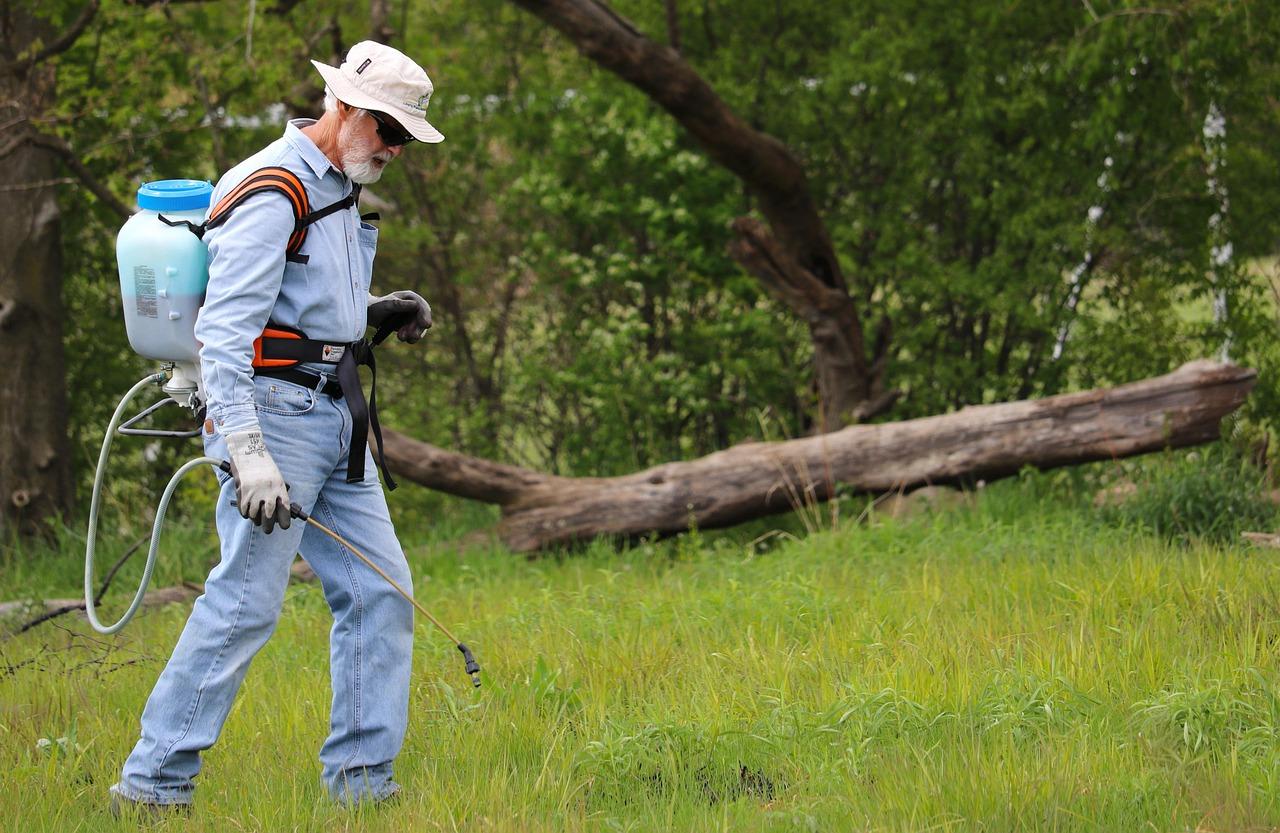
A Missouri judge on Friday approved Bayer's $7.25bn settlement of lawsuits alleging its weedkiller Roundup causes cancer, clearing payouts to roughly 65,000 claimants in US state and federal courts.
By Haut Monde Post

• November 21, 2026

• 2 Min Read

Judge approves Bayer's $7.25bn Roundup cancer settlement

A judge's reasoning

Judge Timothy Boyer of a state court in St Louis found the Bayer Roundup settlement "fair, reasonable and adequate", rejecting objections that individual cancer victims would be paid too little because claimants who settled earlier received more. He reasoned that delays would leave victims, among them people with terminal cancer, waiting "an indeterminate number of years".

The scale of the litigation

The deal, announced in February, was designed to settle nearly all current and future Roundup claims in the US. Bayer faced about 65,000 claims from people who said they developed cancer after using the product. The company's history with the litigation includes:

  • •A $63bn purchase of Monsanto, Roundup's maker, in 2018, after which its share price has fallen 46%
  • •A $10.9bn settlement of much of the litigation in 2020
  • •A failed attempt to win court approval of a $1.25bn settlement covering future claims

Bayer's response

Bayer chief executive Bill Anderson welcomed the ruling.

"The court's final approval is a decisive milestone in the company's strategy to mitigate the risks of both pending and future Roundup litigation."

The company continues to maintain that Roundup and its active ingredient glyphosate are safe, pointing to decades of studies it says show glyphosate does not cause cancer.

Lingering cases

Friday's approval came five months after the US supreme court threw out a $1.25m jury award for John Durnell, a Missouri man who blamed years of glyphosate exposure for his non-Hodgkin lymphoma. By a 7-2 vote, the justices accepted Bayer's position that state failure-to-warn claims are precluded by federal pesticide regulation.

Plaintiffs' lawyer Christopher Seeger said the ruling narrowed victims' ability to pursue claims. "We look forward to getting this relief into the hands of all Roundup victims as quickly as possible," he said.

The settlement does not cover some pending federal cases. Bayer said about 200 were still being litigated and that the supreme court's decision gave it strong defenses.

HAUT MONDE POST

Independent journalism of the highest standard. A chronicle of world culture, politics, arts, and public thought.

Publication

AboutEditorial

Newsletter

Get the best Haut Monde Post content delivered to your inbox every week.

© 2026 Haut Monde Post. All rights reserved. Digital edition hautmondepost.com.

Saturday, Nov 21, 2026

english

Business

• Analysis

Judge approves Bayer's $7.25bn Roundup cancer settlement

A Missouri judge on Friday approved Bayer's $7.25bn settlement of lawsuits alleging its weedkiller Roundup causes cancer, clearing payouts to roughly 65,000 claimants in US state and federal courts.

By Haut Monde Post

Nov 21, 2026 • 2 Min Read
Judge approves Bayer's $7.25bn Roundup cancer settlement

A judge's reasoning

Judge Timothy Boyer of a state court in St Louis found the Bayer Roundup settlement "fair, reasonable and adequate", rejecting objections that individual cancer victims would be paid too little because claimants who settled earlier received more. He reasoned that delays would leave victims, among them people with terminal cancer, waiting "an indeterminate number of years".

The scale of the litigation

The deal, announced in February, was designed to settle nearly all current and future Roundup claims in the US. Bayer faced about 65,000 claims from people who said they developed cancer after using the product. The company's history with the litigation includes:

  • •A $63bn purchase of Monsanto, Roundup's maker, in 2018, after which its share price has fallen 46%
  • •A $10.9bn settlement of much of the litigation in 2020
  • •A failed attempt to win court approval of a $1.25bn settlement covering future claims

Bayer's response

Bayer chief executive Bill Anderson welcomed the ruling.

"The court's final approval is a decisive milestone in the company's strategy to mitigate the risks of both pending and future Roundup litigation."

The company continues to maintain that Roundup and its active ingredient glyphosate are safe, pointing to decades of studies it says show glyphosate does not cause cancer.

Lingering cases

Friday's approval came five months after the US supreme court threw out a $1.25m jury award for John Durnell, a Missouri man who blamed years of glyphosate exposure for his non-Hodgkin lymphoma. By a 7-2 vote, the justices accepted Bayer's position that state failure-to-warn claims are precluded by federal pesticide regulation.

Plaintiffs' lawyer Christopher Seeger said the ruling narrowed victims' ability to pursue claims. "We look forward to getting this relief into the hands of all Roundup victims as quickly as possible," he said.

The settlement does not cover some pending federal cases. Bayer said about 200 were still being litigated and that the supreme court's decision gave it strong defenses.

HAUT MONDE POST

Independent journalism of the highest standard. A chronicle of world culture, politics, arts, and public thought. Published and printed daily in Paris, France.

Publication

AboutEditorial

Newsletter

Get the best Haut Monde Post content delivered to your inbox every week.

© 2026 Haut Monde Post. All rights reserved. Digital edition hautmondepost.com. Published in Paris.

Saturday, Nov 21, 2026

english

Business

• Analysis

Judge approves Bayer's $7.25bn Roundup cancer settlement

A Missouri judge on Friday approved Bayer's $7.25bn settlement of lawsuits alleging its weedkiller Roundup causes cancer, clearing payouts to roughly 65,000 claimants in US state and federal courts.

By Haut Monde Post

Judge approves Bayer's $7.25bn Roundup cancer settlement

A judge's reasoning

Judge Timothy Boyer of a state court in St Louis found the Bayer Roundup settlement "fair, reasonable and adequate", rejecting objections that individual cancer victims would be paid too little because claimants who settled earlier received more. He reasoned that delays would leave victims, among them people with terminal cancer, waiting "an indeterminate number of years".

The scale of the litigation

The deal, announced in February, was designed to settle nearly all current and future Roundup claims in the US. Bayer faced about 65,000 claims from people who said they developed cancer after using the product. The company's history with the litigation includes:

  • •A $63bn purchase of Monsanto, Roundup's maker, in 2018, after which its share price has fallen 46%
  • •A $10.9bn settlement of much of the litigation in 2020
  • •A failed attempt to win court approval of a $1.25bn settlement covering future claims

Bayer's response

Bayer chief executive Bill Anderson welcomed the ruling.

"The court's final approval is a decisive milestone in the company's strategy to mitigate the risks of both pending and future Roundup litigation."

The company continues to maintain that Roundup and its active ingredient glyphosate are safe, pointing to decades of studies it says show glyphosate does not cause cancer.

Lingering cases

Friday's approval came five months after the US supreme court threw out a $1.25m jury award for John Durnell, a Missouri man who blamed years of glyphosate exposure for his non-Hodgkin lymphoma. By a 7-2 vote, the justices accepted Bayer's position that state failure-to-warn claims are precluded by federal pesticide regulation.

Plaintiffs' lawyer Christopher Seeger said the ruling narrowed victims' ability to pursue claims. "We look forward to getting this relief into the hands of all Roundup victims as quickly as possible," he said.

The settlement does not cover some pending federal cases. Bayer said about 200 were still being litigated and that the supreme court's decision gave it strong defenses.