Monday, October 5, 2026

english

HAUT MONDE

POST

World

• Analysis

Supreme court climate lawsuits at stake as justices hear big oil's bid to block Boulder's case

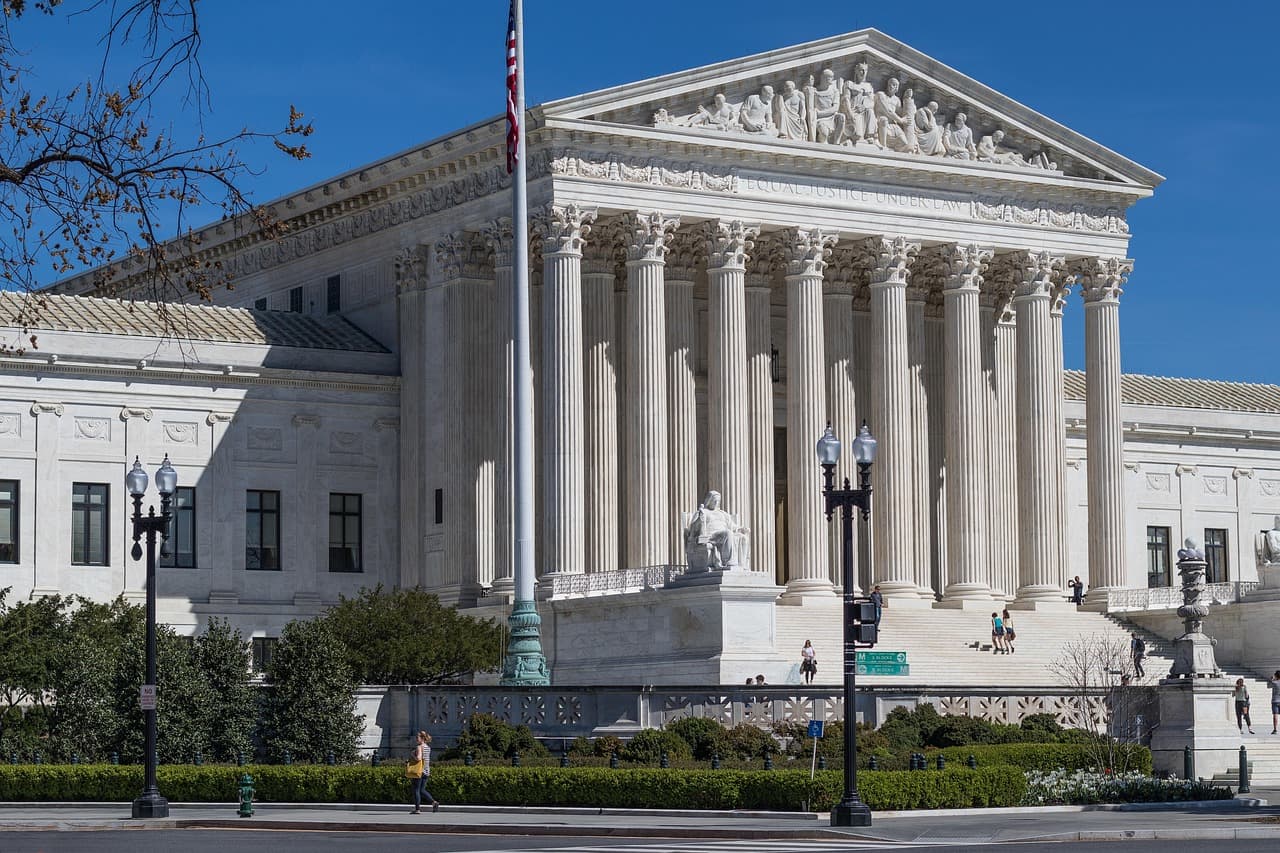
Supreme court climate lawsuits reach a pivotal hearing on Monday, when the justices open their new nine-month term with arguments in big oil's attempt to block Boulder County, Colorado's climate damage suit. The case, Suncor Energy v the County Commissioners of Boulder County, will test whether federal law bars ExxonMobil and Suncor Energy from facing the claim in state court.

By Haut Monde Post

• October 5, 2026

• 5 Min Read
Supreme court climate lawsuits at stake as justices hear big oil's bid to block Boulder's case

The questions before the justices

The justices will weigh whether they currently have proper jurisdiction to hear Boulder's case, and whether federal law preempts the case from being heard in state court. The second question is the industry's core argument: Exxon and Canada-based Suncor contend that federal law prevents state courts from hearing Boulder's climate change lawsuit.

Big oil companies are trying to defeat lawsuits that seek to hold them accountable for the climate crisis. An industry win could reach beyond Boulder to dozens of other climate cases brought by state and local governments around the US. Cases normally must be decided by lower courts before reaching the supreme court, but the justices agreed to take this one while the state case is still ongoing.

Six conservative justices and three liberals sit on the court. One conservative, Samuel Alito, has recused himself from the case without giving a reason; his decision came after calls for him to step aside due to stock holdings in fossil fuel companies.

Boulder's 2018 suit and its route to the court

In Suncor Energy v the County Commissioners of Boulder County, local officials in Boulder are suing Canada-based Suncor Energy and ExxonMobil in state court [F3, F5]. They filed the lawsuit in Colorado court in 2018, arguing that Exxon and Suncor concealed and misrepresented to the public what they knew about fossil fuels' climate damage, and that the companies should pay the resulting costs of disasters [F11, F12]. Boulder seeks to force the companies to share a portion of the costs that climate change has imposed on local taxpayers.

The route to the supreme court was long. The firms' first move was to try shifting the case to federal court. After the Colorado supreme court let the case move toward trial in state court, Exxon and Suncor appealed, arguing for dismissal on federal preemption grounds. Dennis Fan, founder and director of the Appellate Litigation Clinic at Columbia Law School, who wrote an amicus brief in the case, said it is incredibly unusual for the supreme court to take a case at this stage.

The companies' preemption case

Congress can pass federal laws that invalidate state laws; the question here is whether any federal laws invalidate state climate cases. Fan said the companies have had difficulty pinpointing the source of federal law for their argument. Their preemption argument rests on two claims:

  • •One is that the federal Clean Air Act preempts Boulder's case from state court - an act that specifies air pollution control at its source is primarily the responsibility of states and local governments.
  • •The other leans on history: in their brief, the companies claimed that supreme court decisions from a century ago gave federal courts power to hear environmental cases even where no federal law existed, and asserted those rulings created a "federal common law" for environmental disputes crossing state lines that survives in the "structure of the Constitution" despite the Clean Air Act's declaration that states hold primary jurisdiction over local air pollution.

Fan said the supreme court has not historically agreed with the argument the oil companies are making. He pointed to the tobacco and opioid companies that previously faced state public nuisance cases: for decades, the tobacco industry tried to get the supreme court and other courts to stop state court litigation against it, and failed every single time [F27, F28]. As recently as April, the court decided in Hencely v Fluor Corp that there is no federal preemption without a constitutional text or a federal statute.

Fan said the industry hopes this case will be the death blow for such litigation, and believes that winning this argument would end climate change litigation permanently. As he put it:

"The industry is going for the home run, they're going for the grand slam."

Voices outside the court

Climate advocates and wildfire survivors planned to rally Monday morning outside the supreme court in Washington DC. Among them is Daryl McCool, an artist who lost her home when the 2021 Marshall fire destroyed her neighborhood in Boulder county, Colorado. She is not involved in the case but planned to attend.

The fire was fueled by record warmth and extreme drought that scientists found climate change had intensified, and it caused damage estimated at more than $2bn. A recent report estimated that climate change could cost Colorado up to $37bn by 2050.

McCool said the case is meaningful because its stakes extend to every person and creature on earth. Of the companies, she said: "they're not willing to change, and so they need to be held accountable". She hopes the justices let the case move forward at the state level, and that Boulder gets its day in court so a wider audience learns how the fossil fuel industry deceived the public.

Arguments were set for Monday, the first day of the court's new nine-month term; if the justices side with Boulder or find the case outside their jurisdiction, the lawsuit would continue in Colorado state court.

Monday, Oct 5, 2026

english

World

• Analysis

Supreme court climate lawsuits at stake as justices hear big oil's bid to block Boulder's case

Supreme court climate lawsuits reach a pivotal hearing on Monday, when the justices open their new nine-month term with arguments in big oil's attempt to block Boulder County, Colorado's climate damage suit. The case, Suncor Energy v the County Commissioners of Boulder County, will test whether federal law bars ExxonMobil and Suncor Energy from facing the claim in state court.

By Haut Monde Post

Oct 5, 2026 • 5 Min Read

Supreme court climate lawsuits at stake as justices hear big oil's bid to block Boulder's case

The questions before the justices

The justices will weigh whether they currently have proper jurisdiction to hear Boulder's case, and whether federal law preempts the case from being heard in state court. The second question is the industry's core argument: Exxon and Canada-based Suncor contend that federal law prevents state courts from hearing Boulder's climate change lawsuit.

Big oil companies are trying to defeat lawsuits that seek to hold them accountable for the climate crisis. An industry win could reach beyond Boulder to dozens of other climate cases brought by state and local governments around the US. Cases normally must be decided by lower courts before reaching the supreme court, but the justices agreed to take this one while the state case is still ongoing.

Six conservative justices and three liberals sit on the court. One conservative, Samuel Alito, has recused himself from the case without giving a reason; his decision came after calls for him to step aside due to stock holdings in fossil fuel companies.

Boulder's 2018 suit and its route to the court

In Suncor Energy v the County Commissioners of Boulder County, local officials in Boulder are suing Canada-based Suncor Energy and ExxonMobil in state court [F3, F5]. They filed the lawsuit in Colorado court in 2018, arguing that Exxon and Suncor concealed and misrepresented to the public what they knew about fossil fuels' climate damage, and that the companies should pay the resulting costs of disasters [F11, F12]. Boulder seeks to force the companies to share a portion of the costs that climate change has imposed on local taxpayers.

The route to the supreme court was long. The firms' first move was to try shifting the case to federal court. After the Colorado supreme court let the case move toward trial in state court, Exxon and Suncor appealed, arguing for dismissal on federal preemption grounds. Dennis Fan, founder and director of the Appellate Litigation Clinic at Columbia Law School, who wrote an amicus brief in the case, said it is incredibly unusual for the supreme court to take a case at this stage.

The companies' preemption case

Congress can pass federal laws that invalidate state laws; the question here is whether any federal laws invalidate state climate cases. Fan said the companies have had difficulty pinpointing the source of federal law for their argument. Their preemption argument rests on two claims:

  • •One is that the federal Clean Air Act preempts Boulder's case from state court - an act that specifies air pollution control at its source is primarily the responsibility of states and local governments.
  • •The other leans on history: in their brief, the companies claimed that supreme court decisions from a century ago gave federal courts power to hear environmental cases even where no federal law existed, and asserted those rulings created a "federal common law" for environmental disputes crossing state lines that survives in the "structure of the Constitution" despite the Clean Air Act's declaration that states hold primary jurisdiction over local air pollution.

Fan said the supreme court has not historically agreed with the argument the oil companies are making. He pointed to the tobacco and opioid companies that previously faced state public nuisance cases: for decades, the tobacco industry tried to get the supreme court and other courts to stop state court litigation against it, and failed every single time [F27, F28]. As recently as April, the court decided in Hencely v Fluor Corp that there is no federal preemption without a constitutional text or a federal statute.

Fan said the industry hopes this case will be the death blow for such litigation, and believes that winning this argument would end climate change litigation permanently. As he put it:

"The industry is going for the home run, they're going for the grand slam."

Voices outside the court

Climate advocates and wildfire survivors planned to rally Monday morning outside the supreme court in Washington DC. Among them is Daryl McCool, an artist who lost her home when the 2021 Marshall fire destroyed her neighborhood in Boulder county, Colorado. She is not involved in the case but planned to attend.

The fire was fueled by record warmth and extreme drought that scientists found climate change had intensified, and it caused damage estimated at more than $2bn. A recent report estimated that climate change could cost Colorado up to $37bn by 2050.

McCool said the case is meaningful because its stakes extend to every person and creature on earth. Of the companies, she said: "they're not willing to change, and so they need to be held accountable". She hopes the justices let the case move forward at the state level, and that Boulder gets its day in court so a wider audience learns how the fossil fuel industry deceived the public.

Arguments were set for Monday, the first day of the court's new nine-month term; if the justices side with Boulder or find the case outside their jurisdiction, the lawsuit would continue in Colorado state court.

Monday, Oct 5, 2026

english

World

• Analysis

Supreme court climate lawsuits at stake as justices hear big oil's bid to block Boulder's case

Supreme court climate lawsuits reach a pivotal hearing on Monday, when the justices open their new nine-month term with arguments in big oil's attempt to block Boulder County, Colorado's climate damage suit. The case, Suncor Energy v the County Commissioners of Boulder County, will test whether federal law bars ExxonMobil and Suncor Energy from facing the claim in state court.

By Haut Monde Post

Oct 5, 2026 • 5 Min Read

Supreme court climate lawsuits at stake as justices hear big oil's bid to block Boulder's case

The questions before the justices

The justices will weigh whether they currently have proper jurisdiction to hear Boulder's case, and whether federal law preempts the case from being heard in state court. The second question is the industry's core argument: Exxon and Canada-based Suncor contend that federal law prevents state courts from hearing Boulder's climate change lawsuit.

Big oil companies are trying to defeat lawsuits that seek to hold them accountable for the climate crisis. An industry win could reach beyond Boulder to dozens of other climate cases brought by state and local governments around the US. Cases normally must be decided by lower courts before reaching the supreme court, but the justices agreed to take this one while the state case is still ongoing.

Six conservative justices and three liberals sit on the court. One conservative, Samuel Alito, has recused himself from the case without giving a reason; his decision came after calls for him to step aside due to stock holdings in fossil fuel companies.

Boulder's 2018 suit and its route to the court

In Suncor Energy v the County Commissioners of Boulder County, local officials in Boulder are suing Canada-based Suncor Energy and ExxonMobil in state court [F3, F5]. They filed the lawsuit in Colorado court in 2018, arguing that Exxon and Suncor concealed and misrepresented to the public what they knew about fossil fuels' climate damage, and that the companies should pay the resulting costs of disasters [F11, F12]. Boulder seeks to force the companies to share a portion of the costs that climate change has imposed on local taxpayers.

The route to the supreme court was long. The firms' first move was to try shifting the case to federal court. After the Colorado supreme court let the case move toward trial in state court, Exxon and Suncor appealed, arguing for dismissal on federal preemption grounds. Dennis Fan, founder and director of the Appellate Litigation Clinic at Columbia Law School, who wrote an amicus brief in the case, said it is incredibly unusual for the supreme court to take a case at this stage.

The companies' preemption case

Congress can pass federal laws that invalidate state laws; the question here is whether any federal laws invalidate state climate cases. Fan said the companies have had difficulty pinpointing the source of federal law for their argument. Their preemption argument rests on two claims:

  • •One is that the federal Clean Air Act preempts Boulder's case from state court - an act that specifies air pollution control at its source is primarily the responsibility of states and local governments.
  • •The other leans on history: in their brief, the companies claimed that supreme court decisions from a century ago gave federal courts power to hear environmental cases even where no federal law existed, and asserted those rulings created a "federal common law" for environmental disputes crossing state lines that survives in the "structure of the Constitution" despite the Clean Air Act's declaration that states hold primary jurisdiction over local air pollution.

Fan said the supreme court has not historically agreed with the argument the oil companies are making. He pointed to the tobacco and opioid companies that previously faced state public nuisance cases: for decades, the tobacco industry tried to get the supreme court and other courts to stop state court litigation against it, and failed every single time [F27, F28]. As recently as April, the court decided in Hencely v Fluor Corp that there is no federal preemption without a constitutional text or a federal statute.

Fan said the industry hopes this case will be the death blow for such litigation, and believes that winning this argument would end climate change litigation permanently. As he put it:

"The industry is going for the home run, they're going for the grand slam."

Voices outside the court

Climate advocates and wildfire survivors planned to rally Monday morning outside the supreme court in Washington DC. Among them is Daryl McCool, an artist who lost her home when the 2021 Marshall fire destroyed her neighborhood in Boulder county, Colorado. She is not involved in the case but planned to attend.

The fire was fueled by record warmth and extreme drought that scientists found climate change had intensified, and it caused damage estimated at more than $2bn. A recent report estimated that climate change could cost Colorado up to $37bn by 2050.

McCool said the case is meaningful because its stakes extend to every person and creature on earth. Of the companies, she said: "they're not willing to change, and so they need to be held accountable". She hopes the justices let the case move forward at the state level, and that Boulder gets its day in court so a wider audience learns how the fossil fuel industry deceived the public.

Arguments were set for Monday, the first day of the court's new nine-month term; if the justices side with Boulder or find the case outside their jurisdiction, the lawsuit would continue in Colorado state court.