• Analysis
Xi, Putin and Trump sign peace declaration at Shenzhen trilateral summit
Donald Trump, Xi Jinping and Vladimir Putin signed a 'peace declaration' at their three-way summit in Shenzhen, China, on Thursday, pledging to reform the UN, expand refined petroleum supplies and preserve officials' immunity before international courts.
What the peace declaration says
The Xi Putin Trump summit in Shenzhen ended with a joint document carrying three specific commitments. Under the peace declaration, the leaders promised to reform the UN, raise supplies of refined petroleum products and preserve the immunity officials enjoy before international courts.
On nuclear arms control, China and Russia said the text included a reaffirmation that a nuclear war should never be fought.
- •Chinese state news agency Xinhua and the Kremlin released the document.
- •Trump boarded his flight home to the US without speaking to reporters after the meeting.
What the leaders said at the villa
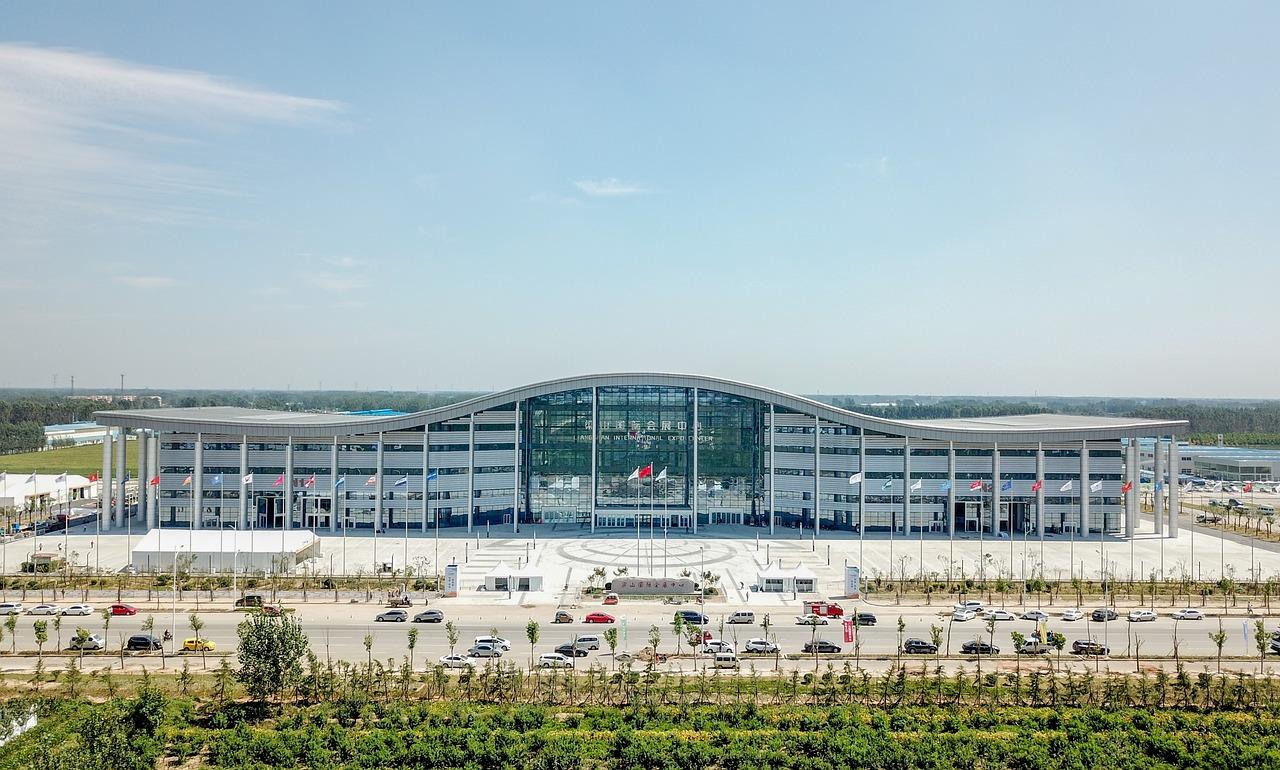
The three sat at a round table in a villa set among wooded hills by a lake in the southern Chinese city, calling the meeting historic. Earlier, Trump had met Xi and Putin one on one, calling each a friend.
Trump told his hosts the encounter itself mattered: "We are really making history... No peace was ever forged by declining opportunities for engagement."
Putin pointed to common ground on the war. Speaking in the aftermath of the crippling of a key bridge linking Crimea to Russia, he said the three countries shared "numerous shared interests in the settlement of regional conflicts, including obviously the conflict in Ukraine".
Xi avoided any direct mention of Ukraine, telling the other two: "History tells us that when major powers live in harmony, the world is at peace. When major powers clash, the world falls into turmoil."
Allies uneasy, analysts divided on gains
The declaration capped a three-day diplomatic journey through Asia for Trump, one that yielded few tangible victories and left US allies questioning his warming ties with Putin, who continues to wage war with Ukraine. Held on the sidelines of an Asia-Pacific summit, the meeting also unsettled smaller countries that fear being sidelined.
Jonathan Eyal, international director at the RUSI think tank in London, zeroed in on the leaders' stance toward international institutions. "The pushback against international norms and courts is the most interesting aspect. The big powers dictate, the small powers suffer," he said.
His tally of winners was blunt: Putin had "gained credibility and escape from pariah status", while Trump "gained a photo opportunity he didn't need".
The invitation alone was a prize for Moscow. Russia's economy is barely a 10th the size of China's, and sanctions bar most of its businesses from trading with the West.
Warrants and open questions
Any talk of immunity before courts sits awkwardly with Putin's own standing. The International Criminal Court in The Hague has issued arrest warrants for Putin and five other Russian officials.
- •Putin and children's commissioner Maria Lvova-Belova stand accused of the unlawful deportation and transfer of Ukrainian children.
- •The remaining warrants relate to alleged war crimes and crimes against humanity.
- •Moscow rejects all the allegations.
Deeper fault lines remain: the three governments disagree sharply over Ukraine, Iran, nuclear weapons and trade, leaving the durability of Thursday's agreement in doubt. The meeting broke up a few hours before Ukraine and its main European allies were due to sit down with Trump's envoys Steve Witkoff and Jared Kushner in Berlin.