Saturday, October 3, 2026

english

HAUT MONDE

POST

World

• Analysis

Ustica crash: France to share defence files with Italian judiciary

France has decided to hand defence documents to the Italian judiciary, a step greeted in Italy as a potential breakthrough in the investigation into the 1980 Ustica crash. Itavia Flight 870 plunged into the sea off Ustica on June 27, 1980, killing all 81 people aboard.

By Haut Monde Post

• October 3, 2026

• 6 Min Read
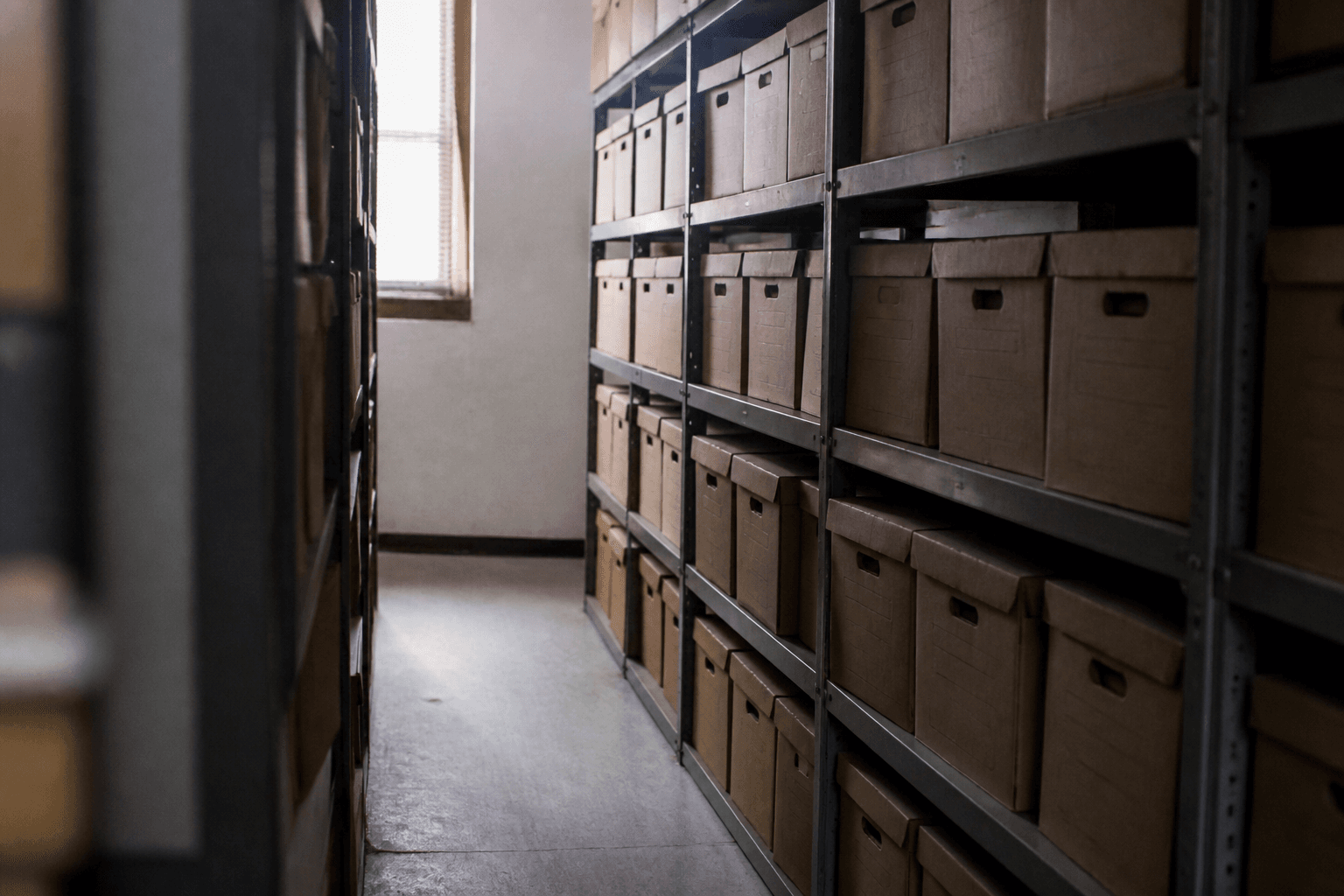
Cardboard archive boxes lined up on metal shelves in a dim courthouse records room.

France agrees to open its defence files

The French decision places defence documents in the hands of the Italian judiciary, raising hopes of a breakthrough in investigations into the 1980 Ustica crash. News of the handover this week was greeted in Italy as a potential gamechanger, and prosecutors on Wednesday aborted plans to shelve the latest investigation into the crash.

  • •The move threw a lifeline to the victims' families, who have relentlessly lobbied Italian governments and the judiciary to pursue the case.
  • •Italian prosecutors and plaintiffs have long accused France and other Western allies of withholding evidence.
  • •Sceptics caution that the files are unlikely to shed light on one of Italy's most enduring mysteries or to reveal a culprit.

In 2023, former prime minister Giuliano Amato urged France to come clean on the crash, asking President Emmanuel Macron to look into the matter. Amato, who was deputy prime minister at the time of the incident, suggested it would be easier for someone of Macron's age to overcome old taboos. Amato told a news conference:

"If he shows that the allegation is unfounded, so much the better. If it is true, he should apologise."

The crash Italy calls the strage di Ustica

Ustica is a rocky Italian island in the Tyrrhenian Sea; its name comes from the volcanic lava that gave its rock formations their dark hue. For many Italians, the island is synonymous with a plane crash that claimed 81 lives and with the intricate cover-up that buried its causes. Itavia Flight 870 plunged into the waters off Ustica on June 27, 1980, and its fate remains fiercely debated after decades of expert reports and judicial enquiries.

The aircraft, a DC-9 operated by the now-defunct carrier Itavia, was in the final stretch of its journey from Bologna to Palermo on a clear summer evening when it suddenly broke up. All 77 passengers and four crew members died, every one of them Italian.

The disaster is known in Italy as the strage di Ustica, a term also used for the deadly terrorist attacks that rattled the country in those years. Historian Cora Ranci, who wrote a book about the Ustica affair and its smokescreens, said people began calling the crash a "strage" as the cover-up became apparent over time.

She added that the affair, like other unsolved massacres, has contributed to the erosion of trust between Italian citizens and institutions, fuelling a sense of a code of silence among those in power.

From mechanical failure to an aerial battle

After the crash, officials hastily concluded that it had been caused by mechanical failure, a finding that precipitated the demise of the already struggling carrier Itavia. Judicial inquiries resumed only years later, under pressure from the victims' families and spurred by an investigative journalist convinced the plane had been shot down.

  • •Tracking data and radar scans had been wiped clean at all but one of the Italian bases within range of the incident, leaving investigators little hard evidence.
  • •Four air force generals were eventually tried on charges of treason and withholding evidence; none were convicted.
  • •At least 15 military personnel and others connected to the case died untimely deaths through transport accidents, shootings, stabbings and suicides by hanging.

In 2013, Italy's highest court delivered a verdict of its own: the DC-9 went down amid an aerial battle, felled either by a missile or in a near-collision, yet the judges pointed to no culprit. The judgment ordered the state to compensate the victims' families and held that cover-ups in the investigations were "definitively ascertained".

Some remain sceptical of the missile scenario and lean towards a bomb exploding on board, an explanation that has never been upheld in court. They point to the era's terrorist attacks, including the strage di Bologna, a train station bombing that killed 85 people and injured scores more just weeks after the Ustica crash. Potential culprits cited by bomb-theory proponents include far-right activists, Palestinian militant groups and Muammar Gaddafi's Libya.

Cossiga, Gaddafi and the French connection

The most widely accepted theory holds that the plane was caught up in an aerial dogfight and mistakenly shot down by a fighter jet - one that a former Italian president claimed was French. An earlier, decade-long inquiry determined that the intended target of the operation was a smaller aircraft travelling in the DC-9's slipstream to evade radar detection.

  • •In 2007, former Italian president Francesco Cossiga claimed the passenger jet was shot down by French military planes chasing Gaddafi, citing Italian intelligence but offering no evidence.
  • •Cossiga, who was prime minister in June 1980, claimed Italian sources had tipped off Gaddafi, ensuring he was not on board the smaller plane allegedly tailing the Itavia flight.
  • •Three weeks after the Ustica disaster, the wreckage of a Libyan MiG fighter was recovered on a mountain in Calabria, possibly chased down and shot the same night as the DC-9.

Historian Cora Ranci said declassified documents show that Italy at the time was covertly allowing Libyan aircraft to fly through its airspace to Yugoslavia for training and maintenance. It was common practice, she said, for those jets to evade detection by tailing commercial flights, creating dangers for civilian planes.

The tacit agreement infuriated the Americans and, even more, the French, who were fighting a proxy war with Gaddafi's Libya in Chad. The Ustica crash came months after France's embassy in Tripoli was ransacked and after a botched Libyan attempt to shoot down a French surveillance aircraft over the Mediterranean.

Daria Bonfietti, a former senator who heads the association of victims' families and whose elder brother was on board the Itavia flight, said judicial inquiries established that US, French and other NATO aircraft were operating over the Tyrrhenian on the day of the crash. It has been known for years that the plane was downed in a combat operation, she said, but "we still don't know who did it".

If Gaddafi was the target, she argued, those who carried out the operation could not openly claim it in a Cold War context and instead covered it up as mechanical failure. "Now we need those countries to tell us what they were up to and why they kept quiet about it," she said.
Saturday, Oct 3, 2026

english

World

• Analysis

Ustica crash: France to share defence files with Italian judiciary

France has decided to hand defence documents to the Italian judiciary, a step greeted in Italy as a potential breakthrough in the investigation into the 1980 Ustica crash. Itavia Flight 870 plunged into the sea off Ustica on June 27, 1980, killing all 81 people aboard.

By Haut Monde Post

Oct 3, 2026 • 6 Min Read

Cardboard archive boxes lined up on metal shelves in a dim courthouse records room.

France agrees to open its defence files

The French decision places defence documents in the hands of the Italian judiciary, raising hopes of a breakthrough in investigations into the 1980 Ustica crash. News of the handover this week was greeted in Italy as a potential gamechanger, and prosecutors on Wednesday aborted plans to shelve the latest investigation into the crash.

  • •The move threw a lifeline to the victims' families, who have relentlessly lobbied Italian governments and the judiciary to pursue the case.
  • •Italian prosecutors and plaintiffs have long accused France and other Western allies of withholding evidence.
  • •Sceptics caution that the files are unlikely to shed light on one of Italy's most enduring mysteries or to reveal a culprit.

In 2023, former prime minister Giuliano Amato urged France to come clean on the crash, asking President Emmanuel Macron to look into the matter. Amato, who was deputy prime minister at the time of the incident, suggested it would be easier for someone of Macron's age to overcome old taboos. Amato told a news conference:

"If he shows that the allegation is unfounded, so much the better. If it is true, he should apologise."

The crash Italy calls the strage di Ustica

Ustica is a rocky Italian island in the Tyrrhenian Sea; its name comes from the volcanic lava that gave its rock formations their dark hue. For many Italians, the island is synonymous with a plane crash that claimed 81 lives and with the intricate cover-up that buried its causes. Itavia Flight 870 plunged into the waters off Ustica on June 27, 1980, and its fate remains fiercely debated after decades of expert reports and judicial enquiries.

The aircraft, a DC-9 operated by the now-defunct carrier Itavia, was in the final stretch of its journey from Bologna to Palermo on a clear summer evening when it suddenly broke up. All 77 passengers and four crew members died, every one of them Italian.

The disaster is known in Italy as the strage di Ustica, a term also used for the deadly terrorist attacks that rattled the country in those years. Historian Cora Ranci, who wrote a book about the Ustica affair and its smokescreens, said people began calling the crash a "strage" as the cover-up became apparent over time.

She added that the affair, like other unsolved massacres, has contributed to the erosion of trust between Italian citizens and institutions, fuelling a sense of a code of silence among those in power.

From mechanical failure to an aerial battle

After the crash, officials hastily concluded that it had been caused by mechanical failure, a finding that precipitated the demise of the already struggling carrier Itavia. Judicial inquiries resumed only years later, under pressure from the victims' families and spurred by an investigative journalist convinced the plane had been shot down.

  • •Tracking data and radar scans had been wiped clean at all but one of the Italian bases within range of the incident, leaving investigators little hard evidence.
  • •Four air force generals were eventually tried on charges of treason and withholding evidence; none were convicted.
  • •At least 15 military personnel and others connected to the case died untimely deaths through transport accidents, shootings, stabbings and suicides by hanging.

In 2013, Italy's highest court delivered a verdict of its own: the DC-9 went down amid an aerial battle, felled either by a missile or in a near-collision, yet the judges pointed to no culprit. The judgment ordered the state to compensate the victims' families and held that cover-ups in the investigations were "definitively ascertained".

Some remain sceptical of the missile scenario and lean towards a bomb exploding on board, an explanation that has never been upheld in court. They point to the era's terrorist attacks, including the strage di Bologna, a train station bombing that killed 85 people and injured scores more just weeks after the Ustica crash. Potential culprits cited by bomb-theory proponents include far-right activists, Palestinian militant groups and Muammar Gaddafi's Libya.

Cossiga, Gaddafi and the French connection

The most widely accepted theory holds that the plane was caught up in an aerial dogfight and mistakenly shot down by a fighter jet - one that a former Italian president claimed was French. An earlier, decade-long inquiry determined that the intended target of the operation was a smaller aircraft travelling in the DC-9's slipstream to evade radar detection.

  • •In 2007, former Italian president Francesco Cossiga claimed the passenger jet was shot down by French military planes chasing Gaddafi, citing Italian intelligence but offering no evidence.
  • •Cossiga, who was prime minister in June 1980, claimed Italian sources had tipped off Gaddafi, ensuring he was not on board the smaller plane allegedly tailing the Itavia flight.
  • •Three weeks after the Ustica disaster, the wreckage of a Libyan MiG fighter was recovered on a mountain in Calabria, possibly chased down and shot the same night as the DC-9.

Historian Cora Ranci said declassified documents show that Italy at the time was covertly allowing Libyan aircraft to fly through its airspace to Yugoslavia for training and maintenance. It was common practice, she said, for those jets to evade detection by tailing commercial flights, creating dangers for civilian planes.

The tacit agreement infuriated the Americans and, even more, the French, who were fighting a proxy war with Gaddafi's Libya in Chad. The Ustica crash came months after France's embassy in Tripoli was ransacked and after a botched Libyan attempt to shoot down a French surveillance aircraft over the Mediterranean.

Daria Bonfietti, a former senator who heads the association of victims' families and whose elder brother was on board the Itavia flight, said judicial inquiries established that US, French and other NATO aircraft were operating over the Tyrrhenian on the day of the crash. It has been known for years that the plane was downed in a combat operation, she said, but "we still don't know who did it".

If Gaddafi was the target, she argued, those who carried out the operation could not openly claim it in a Cold War context and instead covered it up as mechanical failure. "Now we need those countries to tell us what they were up to and why they kept quiet about it," she said.

Saturday, Oct 3, 2026

english

World

• Analysis

Ustica crash: France to share defence files with Italian judiciary

France has decided to hand defence documents to the Italian judiciary, a step greeted in Italy as a potential breakthrough in the investigation into the 1980 Ustica crash. Itavia Flight 870 plunged into the sea off Ustica on June 27, 1980, killing all 81 people aboard.

By Haut Monde Post

Oct 3, 2026 • 6 Min Read

Cardboard archive boxes lined up on metal shelves in a dim courthouse records room.

France agrees to open its defence files

The French decision places defence documents in the hands of the Italian judiciary, raising hopes of a breakthrough in investigations into the 1980 Ustica crash. News of the handover this week was greeted in Italy as a potential gamechanger, and prosecutors on Wednesday aborted plans to shelve the latest investigation into the crash.

  • •The move threw a lifeline to the victims' families, who have relentlessly lobbied Italian governments and the judiciary to pursue the case.
  • •Italian prosecutors and plaintiffs have long accused France and other Western allies of withholding evidence.
  • •Sceptics caution that the files are unlikely to shed light on one of Italy's most enduring mysteries or to reveal a culprit.

In 2023, former prime minister Giuliano Amato urged France to come clean on the crash, asking President Emmanuel Macron to look into the matter. Amato, who was deputy prime minister at the time of the incident, suggested it would be easier for someone of Macron's age to overcome old taboos. Amato told a news conference:

"If he shows that the allegation is unfounded, so much the better. If it is true, he should apologise."

The crash Italy calls the strage di Ustica

Ustica is a rocky Italian island in the Tyrrhenian Sea; its name comes from the volcanic lava that gave its rock formations their dark hue. For many Italians, the island is synonymous with a plane crash that claimed 81 lives and with the intricate cover-up that buried its causes. Itavia Flight 870 plunged into the waters off Ustica on June 27, 1980, and its fate remains fiercely debated after decades of expert reports and judicial enquiries.

The aircraft, a DC-9 operated by the now-defunct carrier Itavia, was in the final stretch of its journey from Bologna to Palermo on a clear summer evening when it suddenly broke up. All 77 passengers and four crew members died, every one of them Italian.

The disaster is known in Italy as the strage di Ustica, a term also used for the deadly terrorist attacks that rattled the country in those years. Historian Cora Ranci, who wrote a book about the Ustica affair and its smokescreens, said people began calling the crash a "strage" as the cover-up became apparent over time.

She added that the affair, like other unsolved massacres, has contributed to the erosion of trust between Italian citizens and institutions, fuelling a sense of a code of silence among those in power.

From mechanical failure to an aerial battle

After the crash, officials hastily concluded that it had been caused by mechanical failure, a finding that precipitated the demise of the already struggling carrier Itavia. Judicial inquiries resumed only years later, under pressure from the victims' families and spurred by an investigative journalist convinced the plane had been shot down.

  • •Tracking data and radar scans had been wiped clean at all but one of the Italian bases within range of the incident, leaving investigators little hard evidence.
  • •Four air force generals were eventually tried on charges of treason and withholding evidence; none were convicted.
  • •At least 15 military personnel and others connected to the case died untimely deaths through transport accidents, shootings, stabbings and suicides by hanging.

In 2013, Italy's highest court delivered a verdict of its own: the DC-9 went down amid an aerial battle, felled either by a missile or in a near-collision, yet the judges pointed to no culprit. The judgment ordered the state to compensate the victims' families and held that cover-ups in the investigations were "definitively ascertained".

Some remain sceptical of the missile scenario and lean towards a bomb exploding on board, an explanation that has never been upheld in court. They point to the era's terrorist attacks, including the strage di Bologna, a train station bombing that killed 85 people and injured scores more just weeks after the Ustica crash. Potential culprits cited by bomb-theory proponents include far-right activists, Palestinian militant groups and Muammar Gaddafi's Libya.

Cossiga, Gaddafi and the French connection

The most widely accepted theory holds that the plane was caught up in an aerial dogfight and mistakenly shot down by a fighter jet - one that a former Italian president claimed was French. An earlier, decade-long inquiry determined that the intended target of the operation was a smaller aircraft travelling in the DC-9's slipstream to evade radar detection.

  • •In 2007, former Italian president Francesco Cossiga claimed the passenger jet was shot down by French military planes chasing Gaddafi, citing Italian intelligence but offering no evidence.
  • •Cossiga, who was prime minister in June 1980, claimed Italian sources had tipped off Gaddafi, ensuring he was not on board the smaller plane allegedly tailing the Itavia flight.
  • •Three weeks after the Ustica disaster, the wreckage of a Libyan MiG fighter was recovered on a mountain in Calabria, possibly chased down and shot the same night as the DC-9.

Historian Cora Ranci said declassified documents show that Italy at the time was covertly allowing Libyan aircraft to fly through its airspace to Yugoslavia for training and maintenance. It was common practice, she said, for those jets to evade detection by tailing commercial flights, creating dangers for civilian planes.

The tacit agreement infuriated the Americans and, even more, the French, who were fighting a proxy war with Gaddafi's Libya in Chad. The Ustica crash came months after France's embassy in Tripoli was ransacked and after a botched Libyan attempt to shoot down a French surveillance aircraft over the Mediterranean.

Daria Bonfietti, a former senator who heads the association of victims' families and whose elder brother was on board the Itavia flight, said judicial inquiries established that US, French and other NATO aircraft were operating over the Tyrrhenian on the day of the crash. It has been known for years that the plane was downed in a combat operation, she said, but "we still don't know who did it".

If Gaddafi was the target, she argued, those who carried out the operation could not openly claim it in a Cold War context and instead covered it up as mechanical failure. "Now we need those countries to tell us what they were up to and why they kept quiet about it," she said.