Thursday, October 22, 2026

english

HAUT MONDE

POST

World

• Analysis

US diplomats told to leave Saudi Arabia after Houthi attacks kill three

The US state department has ordered some diplomats and the families of US government employees to leave Saudi Arabia, following Houthi attacks on Wednesday evening that killed at least three people at a Dammam airport and an oilfield.

By Haut Monde Post

• October 22, 2026

• 3 Min Read
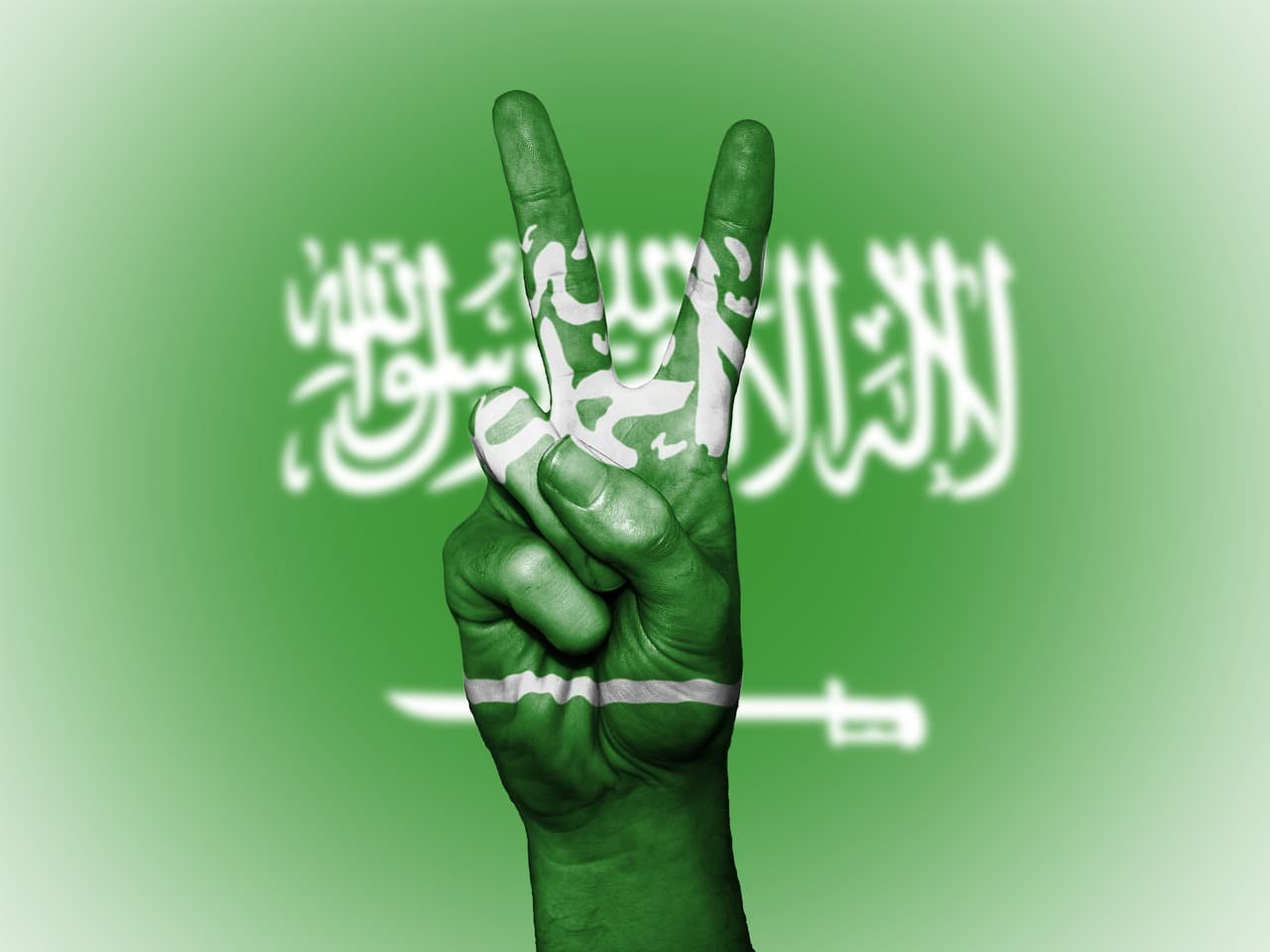
US diplomats told to leave Saudi Arabia after Houthi attacks kill three

Who must go and why

US diplomats in Saudi Arabia and the families of US government employees there have been told to leave, in a state department order that covered the US embassy in Riyadh and its satellite consulates. The department pointed to attacks on "civilian airports and other critical infrastructure" by the Iranian-supported Houthis in Yemen as the reason for the drawdown.

State department spokesperson Tommy Pigott said: "The safety and security of department personnel and their families remain our highest priority."

Wednesday's deadly strikes

At least three people were killed in the two attacks on Wednesday evening. The Saudi Civil Aviation Authority said one Saudi resident died in the attack on King Fahad international airport in Dammam.

  • •Eight people were injured at the airport, and officials said it also suffered material damage.
  • •Flightradar24 said flights had been diverted away from the airport.
  • •The Saudi energy ministry said falling debris from the interception of a drone targeting an oil facility in the country's south-east killed two people and injured two more.
  • •Neither attack was immediately claimed by the Houthis.

Other Gulf withdrawals and the Riyadh embassy

NBC and AFP reported that families of US embassy personnel were also being withdrawn from the United Arab Emirates, Jordan, Qatar and Bahrain. Pigott described those reports of further withdrawals as inaccurate, saying the order applied to Saudi Arabia only.

The Riyadh embassy itself had been badly damaged at the start of the US war on Iran and had operated with a skeleton staff for months, with some diplomats only recently returning. The order comes amid a series of deadly Houthi attacks on Saudi Arabia in recent weeks, including a strike on Riyadh's international airport that was the kingdom's deadliest in years.

Background: US posture in the region

The US had already ordered non-essential staff to leave the Gulf ahead of the start of its war against Iran in late February. NBC reported the US military has been scaling back its presence at bases across the Middle East; a US central command spokesperson said service members are regularly moved to "optimize mission readiness".

According to the New York Times, the Trump administration was developing plans to restart the war on Iran. The paper also reported that the US and Israel drew up plans for a "short but intensive operation" after defense secretary Peter Hegseth travelled to Israel earlier in the week.

Last week Trump said the US was looking to knock out Iran's Pickaxe Mountain, a site linked to the country's nuclear program. The president has publicly said, however, that he does not intend to restart the war before the 3 November elections.

HAUT MONDE POST

Independent journalism of the highest standard. A chronicle of world culture, politics, arts, and public thought.

Publication

AboutEditorial

Newsletter

Get the best Haut Monde Post content delivered to your inbox every week.

© 2026 Haut Monde Post. All rights reserved. Digital edition hautmondepost.com.

Thursday, Oct 22, 2026

english

World

• Analysis

US diplomats told to leave Saudi Arabia after Houthi attacks kill three

The US state department has ordered some diplomats and the families of US government employees to leave Saudi Arabia, following Houthi attacks on Wednesday evening that killed at least three people at a Dammam airport and an oilfield.

By Haut Monde Post

Oct 22, 2026 • 3 Min Read

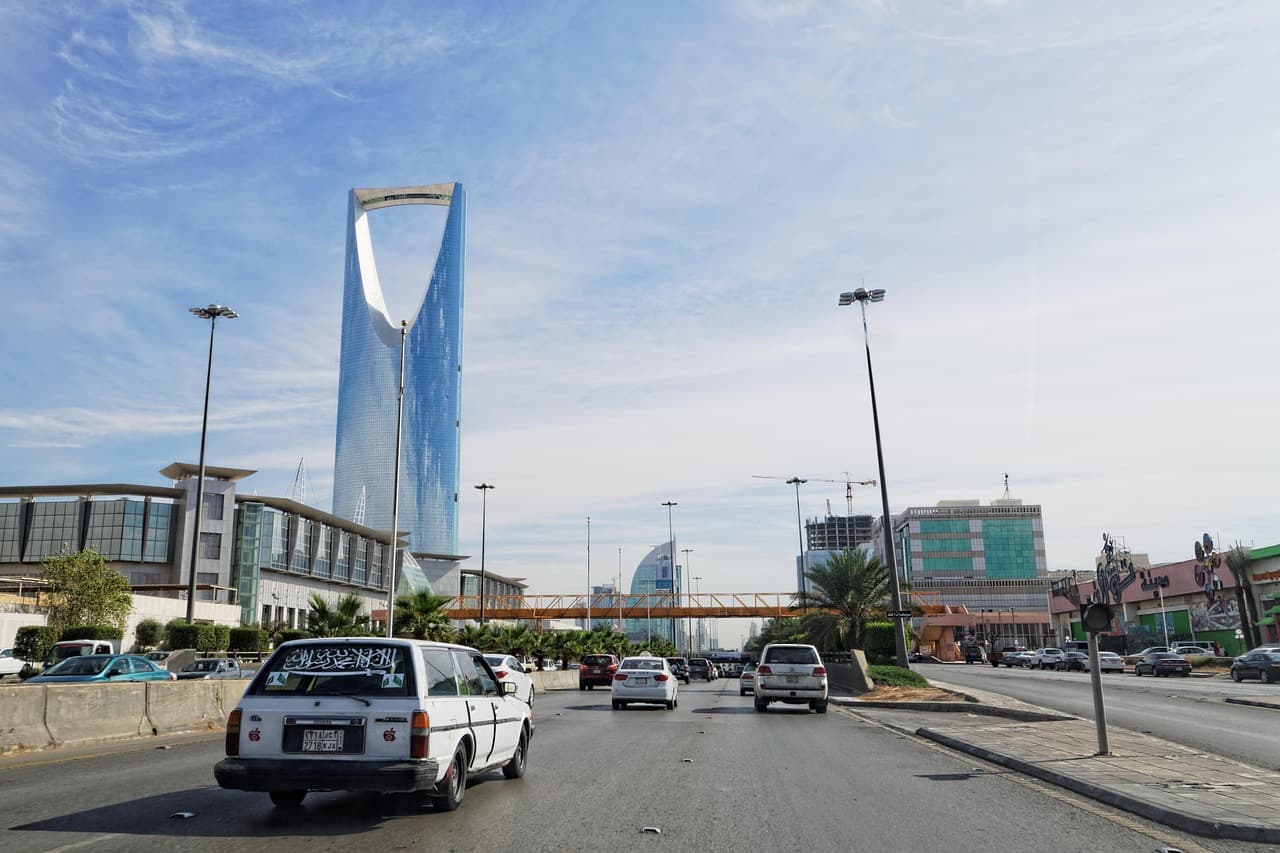
US diplomats told to leave Saudi Arabia after Houthi attacks kill three

Who must go and why

US diplomats in Saudi Arabia and the families of US government employees there have been told to leave, in a state department order that covered the US embassy in Riyadh and its satellite consulates. The department pointed to attacks on "civilian airports and other critical infrastructure" by the Iranian-supported Houthis in Yemen as the reason for the drawdown.

State department spokesperson Tommy Pigott said: "The safety and security of department personnel and their families remain our highest priority."

Wednesday's deadly strikes

At least three people were killed in the two attacks on Wednesday evening. The Saudi Civil Aviation Authority said one Saudi resident died in the attack on King Fahad international airport in Dammam.

  • •Eight people were injured at the airport, and officials said it also suffered material damage.
  • •Flightradar24 said flights had been diverted away from the airport.
  • •The Saudi energy ministry said falling debris from the interception of a drone targeting an oil facility in the country's south-east killed two people and injured two more.
  • •Neither attack was immediately claimed by the Houthis.

Other Gulf withdrawals and the Riyadh embassy

NBC and AFP reported that families of US embassy personnel were also being withdrawn from the United Arab Emirates, Jordan, Qatar and Bahrain. Pigott described those reports of further withdrawals as inaccurate, saying the order applied to Saudi Arabia only.

The Riyadh embassy itself had been badly damaged at the start of the US war on Iran and had operated with a skeleton staff for months, with some diplomats only recently returning. The order comes amid a series of deadly Houthi attacks on Saudi Arabia in recent weeks, including a strike on Riyadh's international airport that was the kingdom's deadliest in years.

Background: US posture in the region

The US had already ordered non-essential staff to leave the Gulf ahead of the start of its war against Iran in late February. NBC reported the US military has been scaling back its presence at bases across the Middle East; a US central command spokesperson said service members are regularly moved to "optimize mission readiness".

According to the New York Times, the Trump administration was developing plans to restart the war on Iran. The paper also reported that the US and Israel drew up plans for a "short but intensive operation" after defense secretary Peter Hegseth travelled to Israel earlier in the week.

Last week Trump said the US was looking to knock out Iran's Pickaxe Mountain, a site linked to the country's nuclear program. The president has publicly said, however, that he does not intend to restart the war before the 3 November elections.
HAUT MONDE POST

Independent journalism of the highest standard. A chronicle of world culture, politics, arts, and public thought. Published and printed daily in Paris, France.

Publication

AboutEditorial

Newsletter

Get the best Haut Monde Post content delivered to your inbox every week.

© 2026 Haut Monde Post. All rights reserved. Digital edition hautmondepost.com. Published in Paris.

Thursday, Oct 22, 2026

english

World

• Analysis

US diplomats told to leave Saudi Arabia after Houthi attacks kill three

The US state department has ordered some diplomats and the families of US government employees to leave Saudi Arabia, following Houthi attacks on Wednesday evening that killed at least three people at a Dammam airport and an oilfield.

By Haut Monde Post

Oct 22, 2026 • 3 Min Read

US diplomats told to leave Saudi Arabia after Houthi attacks kill three

Who must go and why

US diplomats in Saudi Arabia and the families of US government employees there have been told to leave, in a state department order that covered the US embassy in Riyadh and its satellite consulates. The department pointed to attacks on "civilian airports and other critical infrastructure" by the Iranian-supported Houthis in Yemen as the reason for the drawdown.

State department spokesperson Tommy Pigott said: "The safety and security of department personnel and their families remain our highest priority."

Wednesday's deadly strikes

At least three people were killed in the two attacks on Wednesday evening. The Saudi Civil Aviation Authority said one Saudi resident died in the attack on King Fahad international airport in Dammam.

  • •Eight people were injured at the airport, and officials said it also suffered material damage.
  • •Flightradar24 said flights had been diverted away from the airport.
  • •The Saudi energy ministry said falling debris from the interception of a drone targeting an oil facility in the country's south-east killed two people and injured two more.
  • •Neither attack was immediately claimed by the Houthis.

Other Gulf withdrawals and the Riyadh embassy

NBC and AFP reported that families of US embassy personnel were also being withdrawn from the United Arab Emirates, Jordan, Qatar and Bahrain. Pigott described those reports of further withdrawals as inaccurate, saying the order applied to Saudi Arabia only.

The Riyadh embassy itself had been badly damaged at the start of the US war on Iran and had operated with a skeleton staff for months, with some diplomats only recently returning. The order comes amid a series of deadly Houthi attacks on Saudi Arabia in recent weeks, including a strike on Riyadh's international airport that was the kingdom's deadliest in years.

Background: US posture in the region

The US had already ordered non-essential staff to leave the Gulf ahead of the start of its war against Iran in late February. NBC reported the US military has been scaling back its presence at bases across the Middle East; a US central command spokesperson said service members are regularly moved to "optimize mission readiness".

According to the New York Times, the Trump administration was developing plans to restart the war on Iran. The paper also reported that the US and Israel drew up plans for a "short but intensive operation" after defense secretary Peter Hegseth travelled to Israel earlier in the week.

Last week Trump said the US was looking to knock out Iran's Pickaxe Mountain, a site linked to the country's nuclear program. The president has publicly said, however, that he does not intend to restart the war before the 3 November elections.