World
• Analysis
Taliban drone attacks on Pakistan: 23 suicide drones intercepted in one month
Pakistan says it intercepted 23 suicide drones launched from Afghanistan into its airspace in September 2026, part of Taliban drone attacks on Pakistan since the cross-border conflict began in February 2026.
By Haut Monde Post
• October 14, 2026
• 5 Min Read
Pakistan's military intercepted 23 suicide drones launched from Afghanistan into Pakistani airspace in September 2026, according to Islamabad, making Taliban drone attacks on Pakistan a defining feature of the cross-border conflict that began in February 2026. The September figures were disclosed in a diplomatic protest note.
What Pakistan says it shot down
On September 23, the Pakistani army said it shot down at least eight fixed-wing drones in Khyber Pakhtunkhwa province, less than 1,000 metres from the Afghan border.
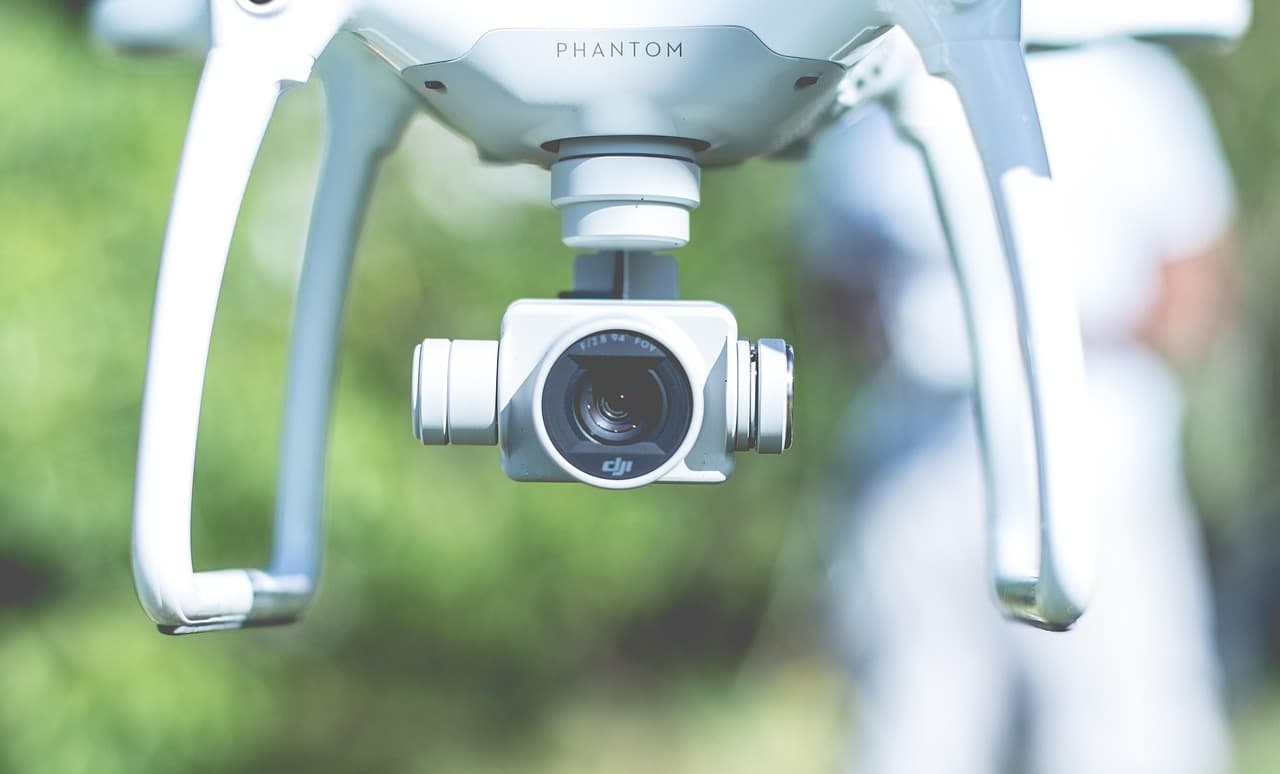
Two types of drone are in play, according to the reporting:
- •armed first-person-view (FPV) drones - small quadcopters carrying munitions such as mortar shells - used against Pakistani positions near the border
- •larger fixed-wing suicide drones with more powerful engines, potentially capable of flying hundreds of kilometres
Cheap parts, limited effect
UAV expert Mark Grozel assessed that the fixed-wing drones are roughly two metres in size and could carry between half a kilogram and one kilogram of explosives. In his view, their battlefield value is limited: "They have a very limited military effectiveness and are easy to intercept. They are slow and fly at low altitude."
The components, however, are easy to come by. Grozel said the drones may be supplied by a foreign government or partly homemade, because "Making a fixed wing drone is not that complicated anymore." Autopilot software is widely available, and "On [the e-commerce site] Alibaba, you can easily buy components such as the engine and battery," he said, with bodies that can be 3D-printed or built from polystyrene or balsa wood.
Reporting identified what appear to be DLE55 55cc single piston engines, commercially available online, fitted to the drones Pakistan's army said it intercepted.
Grozel argued the real threat lies elsewhere. "If one hits a school or a fuel facility, the consequences could be catastrophic. Their main power is their psychological impact."
Islamabad's response
On September 28, Pakistan's Foreign Ministry said it had delivered a diplomatic protest note to the Taliban over what it described as "provocative incursions", citing the 23 drones since the start of the month. Pakistan's Defence Minister Khawaja Mohammad Asif went further, publicly declaring that relations with the Taliban had deteriorated into an "open war". The Taliban, for their part, claim the TTP is a Pakistani internal issue and deny any responsibility.
How the conflict grew
The escalation traces to February 2026, when the Pakistan–Taliban conflict began. Pakistan started targeting positions of the Pakistani militant group Tehreek-e-Taliban Pakistan (TTP) inside Afghanistan, a group officially recognised as a terrorist organisation by the United Nations, Pakistan and the European Union, among others.
The TTP has carried out attacks in Pakistan for nearly two decades and has long-standing ties with the Afghan Taliban, which Pakistan accuses of sheltering the group. When Pakistan strikes suspected TTP positions deep inside Afghanistan, the Taliban retaliate with ground attacks and drones.
The years before the drones show a steadily widening fight. Confrontations between Pakistani security forces and the TTP numbered 98 in 2021; by 2024 that figure had climbed to 470. The following year, 2025, brought near-continuous fighting along the border that reportedly left roughly 4,000 people dead. Then, on September 18, 2026, a suicide car bomber from the TTP struck a mosque in Kohat, a Pakistani city near the border, killing 21 people.
Taliban expert Mukhtar Wafaei traces Pakistan–Taliban ties to the 1980s Soviet-Afghan war, when Afghan and Pakistani fighters were sent from religious schools in Pakistan to participate in the "jihad" against Soviet forces. After the Taliban's first government collapsed in 2001, many members took refuge in Pakistan's border regions, including Khyber Pakhtunkhwa, Waziristan and Balochistan.
Around 2008, the Afghan Taliban expanded across Afghanistan while several Pakistani jihadist organisations operating in the same tribal regions came together under the TTP. When the Taliban returned to power in 2021, leaders who had been sheltered in safe houses in Pakistan belonging to the TTP left for Afghanistan - accompanied by Pakistani associates. Between late 2021 and mid-2022 Pakistan negotiated with the TTP; after the group refused to disarm, it ordered its fighters to launch nationwide attacks on November 28, 2022.
Wafaei says the Afghan Taliban and the TTP share a deep ideological relationship rooted in extremist religious schools in Pakistan and are effectively one group. He notes the TTP leader stated as much months after the Taliban's return to power:
"We are not two groups. We are one group, following one programme, one ideology and one method."
The Taliban deny responsibility for the TTP's actions, calling it Pakistan's internal issue. Meanwhile, Pakistan has pressed on with pressure of its own, including a mass expulsion campaign under which 2.39 million Afghans returned from Pakistan to Afghanistan over more than two years.
The September drone interceptions and Islamabad's protest note are the latest moves in a conflict that began in February 2026, with Pakistan pressing the Taliban over "provocative incursions" the Taliban deny responsibility for.