• Analysis
Supreme court border wall ruling lets Trump build through Big Bend, Texas
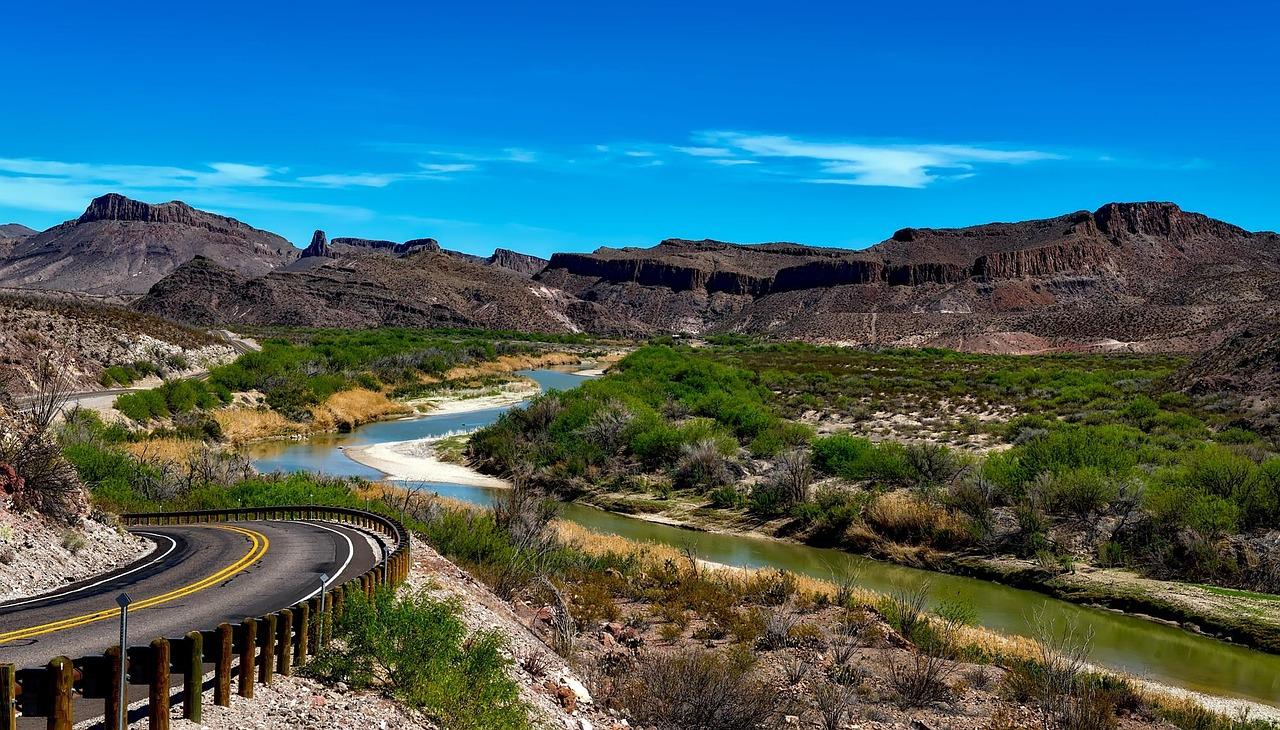
The US supreme court has issued a supreme court border wall ruling that lets the Trump administration press on with construction in Texas's Big Bend region, including parts of Big Bend national park, by suspending a lower court order that had stopped the project.
What the justices decided
The decision was unsigned and ran five pages. It granted the administration's emergency request to suspend a lower court order issued the previous month that had temporarily halted the wall work. Only one of the nine justices dissented: liberal justice Ketanji Brown Jackson.
The justices wrote that immigration law permits the secretary of homeland security to waive the requirements of environmental-protection and other conservation laws, reflecting a preference for quick border construction. They also said the government's interest outweighs any aesthetic, recreational and environmental harm alleged by respondents, who claim construction in the Big Bend sector will diminish their ability to use and enjoy the area.
What gets built and on what legal basis
The administration plans more than 300 miles of six-foot-tall vehicle barriers and supporting roads in the region. Customs and Border Protection (CBP) has awarded five contracts worth more than $6bn for border security upgrades in Big Bend, including 30-ft steel fencing, vehicle barriers and surveillance technology it calls its "smart wall". The project rests on a 1996 law that authorizes the homeland security secretary to "waive all legal requirements", including environmental protections, in areas of high illegal border crossings.
- •A CBP map shows barriers and patrol roads planned across Big Bend national park.
- •The map includes remote areas that would require extensive dynamite blasting.
- •The Center for Biological Diversity says construction is also planned in isolated canyons where there have been no documented unauthorized vehicle crossings.
The opposition
The plaintiffs include the Center for Biological Diversity, a Big Bend river guide and a church preservation group. They argue the project threatens wildlife and public lands, could destroy "iconic sections" of the Rio Grande's protected river corridor and undermines protective laws.
The center condemned the ruling. It said: "This horrific decision clears the way for contractors to bulldoze pristine desert and dynamite canyon walls" before courts could decide whether the destruction was legal. The group called it approval of the permanent destruction of the wildest place in Texas and the theft of a great American river.
The center also noted that earlier destruction in Big Bend unleashed a firestorm of outrage so severe that the administration was forced to pause its plans, and said public opposition would grow if the bulldozers returned. It warned that damage to Big Bend would be felt by future generations and that the administration will bear responsibility for the natural heritage lost.
Locally, the wall plans face bipartisan opposition from residents of both parties, many of whom warn construction could threaten their livelihoods and disrupt communities.
Status and next steps
CBP commissioner Rodney Scott has said the wall is being built at about 12 miles a week and is expected to be completed by the end of Trump's second term. After the October federal ruling that halted construction, the agency said it stood by its assessment and remained confident in its legal authorities to secure the border. CBP was still to comment on the supreme court's latest ruling.