Sunday, November 8, 2026

english

HAUT MONDE

POST

World

• Analysis

Qatari Plan Ties Strait of Hormuz Reopening to IAEA Visits at Bombed Iran Nuclear Sites

Qatar is pressing Tehran to let UN nuclear inspectors back into Iran's bombed nuclear sites, including those holding its highly enriched uranium stockpile, under a proposal that would lift the US naval blockade and reopen the Strait of Hormuz. Iran has not agreed, citing lost faith in IAEA head Rafael Grossi.
By Haut Monde Post

• November 8, 2026

• 4 Min Read

Qatari Plan Ties Strait of Hormuz Reopening to IAEA Visits at Bombed Iran Nuclear Sites

What the Qatari proposal asks of Iran

Qatar, acting as lead mediator in the US-Iran conflict, wants Tehran to admit UN nuclear weapons inspectors to the nuclear sites damaged by bombing - including the facilities where Iran keeps its highly enriched uranium. The inspection element is built on a framework that already existed: an agreement reached in Cairo in September 2025 that was later abandoned.

The plan does not demand that the stockpile leave Iranian territory. Under the proposal, Iran would have options for dealing with the material, among them reducing the uranium content by down-blending it.

  • •Inspectors would visit Iran's bombed nuclear facilities, on the model of the abandoned Cairo agreement
  • •No requirement that the highly enriched uranium be removed from the country
  • •Down-blending - cutting the material's uranium content - is among the options offered

Tehran's resistance to the inspectors' return

Iran has so far refused to readmit the inspectors, and its position has hardened since Trump's election wipeout. The government says it has lost faith in Rafael Grossi, the head of the UN inspectorate.

Tehran's argument is twofold. It claims Grossi failed his duty to uphold the nuclear non-proliferation treaty by not criticising the American bombing, and it fears that material gathered by inspectors on the ground would be handed over to Americans and Israelis as targeting data for future strikes.

What Iran would get, and the sequencing problem

The Qatari offer carries immediate rewards. The US would lift the naval blockade on Iran in the Strait of Hormuz straight away and release part of $8bn (£6bn) in frozen Iranian assets. Iran, in turn, would reopen the strait on the second day, using a route it has already negotiated with Oman.

Sequencing sits at the centre of the mediation because Iran has attached further preconditions to opening the waterway:

  • •An end to the war in Lebanon
  • •Withdrawal of US forces from the Iranian coastline
  • •Lifting of some economic sanctions
  • •War reparations

A memorandum of understanding tied to the wider settlement also envisaged a $300bn reconstruction and development fund to help Iran recover economically, though how it would be funded was never settled.

Status of the strait and the US response

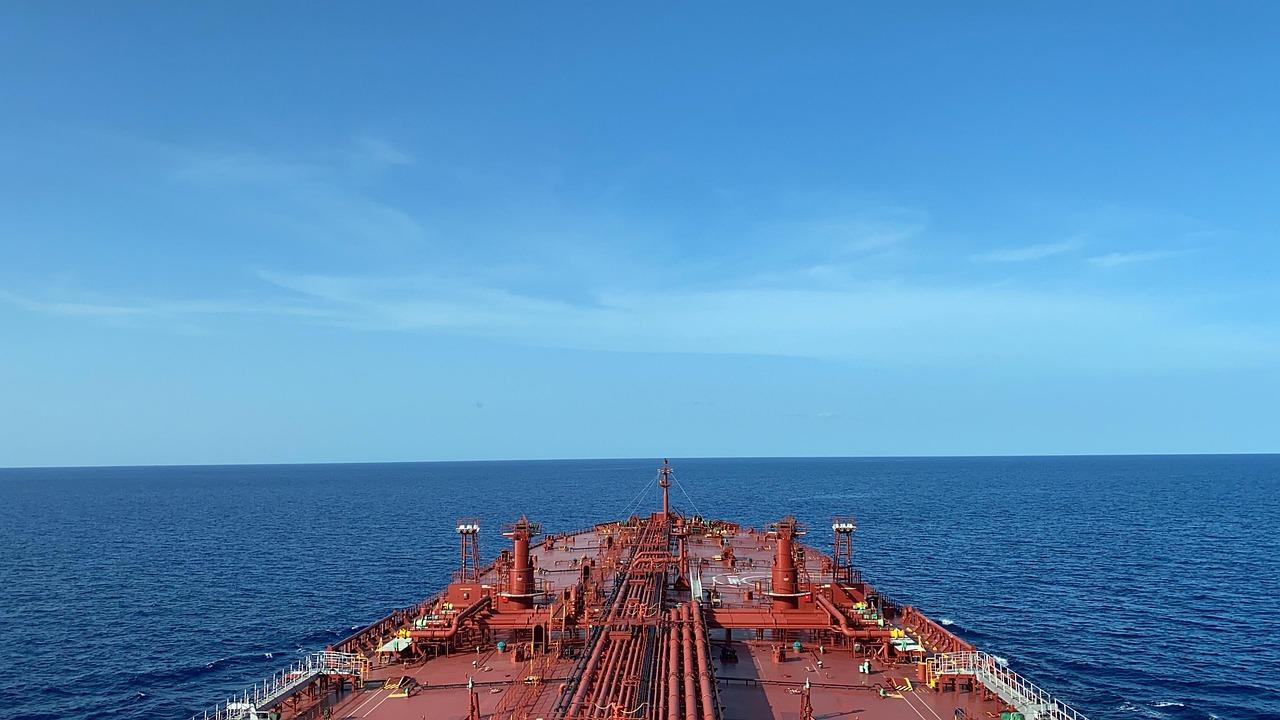
The strait remains only partly open. Amir Hayat Moqaddam, deputy chair of the Iranian parliament's national security and foreign policy committee, told ISNA on Tuesday that ships from China, India, Qatar and Iraq were being allowed through. The exemptions serve mutual interests, he said: Iran charges Indian and Chinese vessels transit fees while Qatari ships pass free of charge, with India sending medicine and China providing political support in return.

"Emphasised the importance of continuing dialogue and embracing diplomacy as a means of resolving disputes"

That is how Qatar's state news agency summarised a Friday call between the emir, Sheikh Tamim bin Hamad al-Thani, and Donald Trump about the proposal. The emir's office did not reveal the call's contents, and the agency added that he called for "preventing further escalation in the region".

The risks of the closed strait were underlined when the IRGC navy said two "violating" oil tankers, which it said had turned off their navigation and identification systems and attempted an unauthorised crossing in the strait's eastern sector with US military support, had collided with mines and caught fire.

Oman's foreign minister Badr Albusaidi has spoken again to Iran about the future of the strait administration - the agreed route, whether the arrangement is temporary and registering the proposal with the International Maritime Organisation. Trump, for his part, is still weighing whether to mount a further assault on Iranian nuclear sites.

HAUT MONDE POST

Independent journalism of the highest standard. A chronicle of world culture, politics, arts, and public thought.

Publication

AboutEditorial

Newsletter

Get the best Haut Monde Post content delivered to your inbox every week.

© 2026 Haut Monde Post. All rights reserved. Digital edition hautmondepost.com.

Sunday, Nov 8, 2026

english

World

• Analysis

Qatari Plan Ties Strait of Hormuz Reopening to IAEA Visits at Bombed Iran Nuclear Sites

Qatar is pressing Tehran to let UN nuclear inspectors back into Iran's bombed nuclear sites, including those holding its highly enriched uranium stockpile, under a proposal that would lift the US naval blockade and reopen the Strait of Hormuz. Iran has not agreed, citing lost faith in IAEA head Rafael Grossi.

By Haut Monde Post

Nov 8, 2026 • 4 Min Read
Qatari Plan Ties Strait of Hormuz Reopening to IAEA Visits at Bombed Iran Nuclear Sites

What the Qatari proposal asks of Iran

Qatar, acting as lead mediator in the US-Iran conflict, wants Tehran to admit UN nuclear weapons inspectors to the nuclear sites damaged by bombing - including the facilities where Iran keeps its highly enriched uranium. The inspection element is built on a framework that already existed: an agreement reached in Cairo in September 2025 that was later abandoned.

The plan does not demand that the stockpile leave Iranian territory. Under the proposal, Iran would have options for dealing with the material, among them reducing the uranium content by down-blending it.

  • •Inspectors would visit Iran's bombed nuclear facilities, on the model of the abandoned Cairo agreement
  • •No requirement that the highly enriched uranium be removed from the country
  • •Down-blending - cutting the material's uranium content - is among the options offered

Tehran's resistance to the inspectors' return

Iran has so far refused to readmit the inspectors, and its position has hardened since Trump's election wipeout. The government says it has lost faith in Rafael Grossi, the head of the UN inspectorate.

Tehran's argument is twofold. It claims Grossi failed his duty to uphold the nuclear non-proliferation treaty by not criticising the American bombing, and it fears that material gathered by inspectors on the ground would be handed over to Americans and Israelis as targeting data for future strikes.

What Iran would get, and the sequencing problem

The Qatari offer carries immediate rewards. The US would lift the naval blockade on Iran in the Strait of Hormuz straight away and release part of $8bn (£6bn) in frozen Iranian assets. Iran, in turn, would reopen the strait on the second day, using a route it has already negotiated with Oman.

Sequencing sits at the centre of the mediation because Iran has attached further preconditions to opening the waterway:

  • •An end to the war in Lebanon
  • •Withdrawal of US forces from the Iranian coastline
  • •Lifting of some economic sanctions
  • •War reparations

A memorandum of understanding tied to the wider settlement also envisaged a $300bn reconstruction and development fund to help Iran recover economically, though how it would be funded was never settled.

Status of the strait and the US response

The strait remains only partly open. Amir Hayat Moqaddam, deputy chair of the Iranian parliament's national security and foreign policy committee, told ISNA on Tuesday that ships from China, India, Qatar and Iraq were being allowed through. The exemptions serve mutual interests, he said: Iran charges Indian and Chinese vessels transit fees while Qatari ships pass free of charge, with India sending medicine and China providing political support in return.

"Emphasised the importance of continuing dialogue and embracing diplomacy as a means of resolving disputes"

That is how Qatar's state news agency summarised a Friday call between the emir, Sheikh Tamim bin Hamad al-Thani, and Donald Trump about the proposal. The emir's office did not reveal the call's contents, and the agency added that he called for "preventing further escalation in the region".

The risks of the closed strait were underlined when the IRGC navy said two "violating" oil tankers, which it said had turned off their navigation and identification systems and attempted an unauthorised crossing in the strait's eastern sector with US military support, had collided with mines and caught fire.

Oman's foreign minister Badr Albusaidi has spoken again to Iran about the future of the strait administration - the agreed route, whether the arrangement is temporary and registering the proposal with the International Maritime Organisation. Trump, for his part, is still weighing whether to mount a further assault on Iranian nuclear sites.

HAUT MONDE POST

Independent journalism of the highest standard. A chronicle of world culture, politics, arts, and public thought. Published and printed daily in Paris, France.

Publication

AboutEditorial

Newsletter

Get the best Haut Monde Post content delivered to your inbox every week.

© 2026 Haut Monde Post. All rights reserved. Digital edition hautmondepost.com. Published in Paris.

Sunday, Nov 8, 2026

english

World

• Analysis

Qatari Plan Ties Strait of Hormuz Reopening to IAEA Visits at Bombed Iran Nuclear Sites

Qatar is pressing Tehran to let UN nuclear inspectors back into Iran's bombed nuclear sites, including those holding its highly enriched uranium stockpile, under a proposal that would lift the US naval blockade and reopen the Strait of Hormuz. Iran has not agreed, citing lost faith in IAEA head Rafael Grossi.

By Haut Monde Post

Qatari Plan Ties Strait of Hormuz Reopening to IAEA Visits at Bombed Iran Nuclear Sites

What the Qatari proposal asks of Iran

Qatar, acting as lead mediator in the US-Iran conflict, wants Tehran to admit UN nuclear weapons inspectors to the nuclear sites damaged by bombing - including the facilities where Iran keeps its highly enriched uranium. The inspection element is built on a framework that already existed: an agreement reached in Cairo in September 2025 that was later abandoned.

The plan does not demand that the stockpile leave Iranian territory. Under the proposal, Iran would have options for dealing with the material, among them reducing the uranium content by down-blending it.

  • •Inspectors would visit Iran's bombed nuclear facilities, on the model of the abandoned Cairo agreement
  • •No requirement that the highly enriched uranium be removed from the country
  • •Down-blending - cutting the material's uranium content - is among the options offered

Tehran's resistance to the inspectors' return

Iran has so far refused to readmit the inspectors, and its position has hardened since Trump's election wipeout. The government says it has lost faith in Rafael Grossi, the head of the UN inspectorate.

Tehran's argument is twofold. It claims Grossi failed his duty to uphold the nuclear non-proliferation treaty by not criticising the American bombing, and it fears that material gathered by inspectors on the ground would be handed over to Americans and Israelis as targeting data for future strikes.

What Iran would get, and the sequencing problem

The Qatari offer carries immediate rewards. The US would lift the naval blockade on Iran in the Strait of Hormuz straight away and release part of $8bn (£6bn) in frozen Iranian assets. Iran, in turn, would reopen the strait on the second day, using a route it has already negotiated with Oman.

Sequencing sits at the centre of the mediation because Iran has attached further preconditions to opening the waterway:

  • •An end to the war in Lebanon
  • •Withdrawal of US forces from the Iranian coastline
  • •Lifting of some economic sanctions
  • •War reparations

A memorandum of understanding tied to the wider settlement also envisaged a $300bn reconstruction and development fund to help Iran recover economically, though how it would be funded was never settled.

Status of the strait and the US response

The strait remains only partly open. Amir Hayat Moqaddam, deputy chair of the Iranian parliament's national security and foreign policy committee, told ISNA on Tuesday that ships from China, India, Qatar and Iraq were being allowed through. The exemptions serve mutual interests, he said: Iran charges Indian and Chinese vessels transit fees while Qatari ships pass free of charge, with India sending medicine and China providing political support in return.

"Emphasised the importance of continuing dialogue and embracing diplomacy as a means of resolving disputes"

That is how Qatar's state news agency summarised a Friday call between the emir, Sheikh Tamim bin Hamad al-Thani, and Donald Trump about the proposal. The emir's office did not reveal the call's contents, and the agency added that he called for "preventing further escalation in the region".

The risks of the closed strait were underlined when the IRGC navy said two "violating" oil tankers, which it said had turned off their navigation and identification systems and attempted an unauthorised crossing in the strait's eastern sector with US military support, had collided with mines and caught fire.

Oman's foreign minister Badr Albusaidi has spoken again to Iran about the future of the strait administration - the agreed route, whether the arrangement is temporary and registering the proposal with the International Maritime Organisation. Trump, for his part, is still weighing whether to mount a further assault on Iranian nuclear sites.