Saturday, October 3, 2026

english

HAUT MONDE

POST

World

• Analysis

Spain housing crisis: clashes in Valencia and disputed protest turnout

Clashes with police in Valencia and rival turnout counts marked Saturday's Spain housing crisis protests, with authorities reporting 70,000 demonstrators and organisers 500,000, a day after parliament rejected the government's housing measures, including an eviction ban until 2030.

By Haut Monde Post

• October 3, 2026

• 3 Min Read
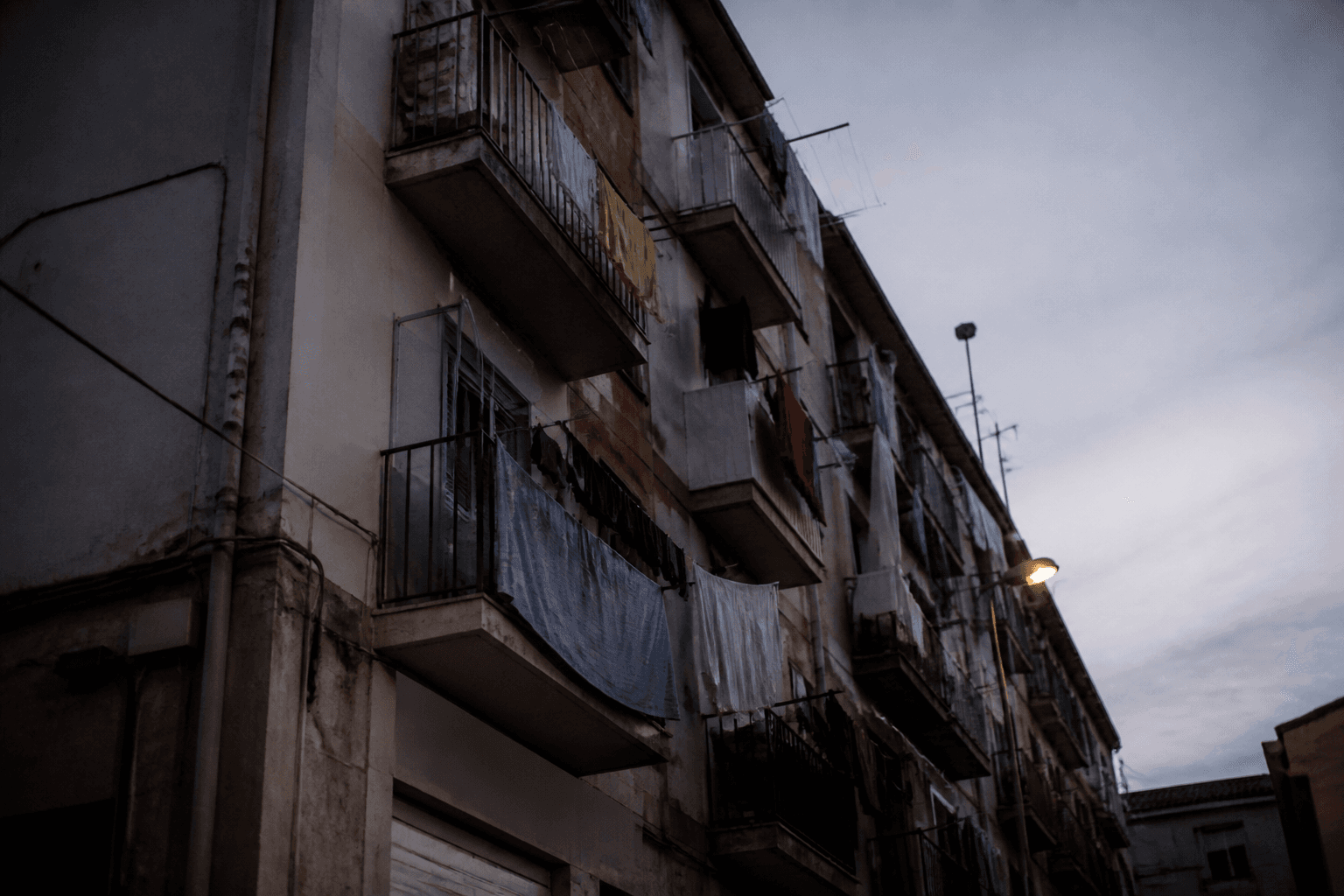
Laundry hanging from the balconies of a residential apartment block photographed from the street below at dusk.

Clashes with police in Valencia and rival turnout counts marked Saturday's Spain housing crisis protests, with authorities reporting 70,000 demonstrators and organisers 500,000, a day after parliament rejected the government's housing measures, including an eviction ban until 2030.

A disputed count, and clashes in Valencia

Authorities said 70,000 people were protesting; organisers put the figure at 500,000. The marches stayed peaceful in 50 Spanish cities - Valencia was the exception - and some demonstrators waved posters calling for a general strike.

  • •Demonstrators clashed with police in the city, and officers fired rubber bullets and teargas to break the protest up.
  • •About 30 people got inside the City of Arts and Sciences, a landmark cultural building in Valencia, before police moved them out.

Voices from the marches

"It's a shame", Nando de Anguulo, 26, told Reuters after joining the Madrid march. For him, "it is us, the people, who have to adapt to the political parties, and not the politicians to what the people want". "This can't go on like that", he added.

  • •Marcos Sainz, a 26-year-old librarian, recalled sharing a two-bedroom flat with friends for 900 euros ($1,000) a month; a one-bedroom flat now often costs 1,000 euros, he said - half the capital's median monthly salary. He told AFP he would keep demonstrating over rents "until someone dares to regulate it all", warning that otherwise "we'll all have to leave Madrid and that would be a shame as I am from Madrid".

Javier, a 31-year-old solar panel installer, set out what he is demanding:

"We are demanding a fundamental right: decent housing, stability and conditions allowing us to construct a decent life project"

Personally, he said: "I spend half of my salary on a tiny room".

Valeria Racu, a spokesperson for the Tenants' Union behind the protest, said in a statement that the streets were showing "a new energy that we haven't seen in a long time", and that the movement had proved "that eight days of people power can achieve more than eight years of progressive government". "Now begins real politics – politics which has always belonged to the people and which will return once and for all to the streets", she declared.

The vote behind the protest

The decrees Sánchez's Socialist-led coalition tabled on Friday to widen access to housing covered a ban on evictions until 2030 and rules for temporary lettings and rooms let inside homes. The conservative People's party, the far-right Vox and the Catalan pro-independence party Junts voted against both. The People's party said it voted for building over regulating; its lawmaker Juan Bravo argued: "Housing doesn't become more affordable through decrees; it becomes more affordable by building more homes".

The measures had been drawn up after anger boiled over late last month over the eviction of Maricarmen Abascal, a wheelchair user removed from the home she had lived in for 70 years after saying she could not afford the 230% rent increase demanded by the investment fund that bought her apartment.

Outside parliament, the result drew boos and cries of "shame", and protesters chanted "Your profits, our misery".

Sánchez weighs a snap election

Spanish media reported on Friday that prime minister Pedro Sánchez might call a snap election for November after the legislation failed, and that he would watch the strength of Saturday's protests before deciding. The demonstrations have dominated the national conversation, revived Sánchez's government and shifted attention away from the aftermath of recent events in Ceuta.


Saturday, Oct 3, 2026

english

World

• Analysis

Spain housing crisis: clashes in Valencia and disputed protest turnout

Clashes with police in Valencia and rival turnout counts marked Saturday's Spain housing crisis protests, with authorities reporting 70,000 demonstrators and organisers 500,000, a day after parliament rejected the government's housing measures, including an eviction ban until 2030.

By Haut Monde Post

Oct 3, 2026 • 3 Min Read

Laundry hanging from the balconies of a residential apartment block photographed from the street below at dusk.

Clashes with police in Valencia and rival turnout counts marked Saturday's Spain housing crisis protests, with authorities reporting 70,000 demonstrators and organisers 500,000, a day after parliament rejected the government's housing measures, including an eviction ban until 2030.

A disputed count, and clashes in Valencia

Authorities said 70,000 people were protesting; organisers put the figure at 500,000. The marches stayed peaceful in 50 Spanish cities - Valencia was the exception - and some demonstrators waved posters calling for a general strike.

  • •Demonstrators clashed with police in the city, and officers fired rubber bullets and teargas to break the protest up.
  • •About 30 people got inside the City of Arts and Sciences, a landmark cultural building in Valencia, before police moved them out.

Voices from the marches

"It's a shame", Nando de Anguulo, 26, told Reuters after joining the Madrid march. For him, "it is us, the people, who have to adapt to the political parties, and not the politicians to what the people want". "This can't go on like that", he added.

  • •Marcos Sainz, a 26-year-old librarian, recalled sharing a two-bedroom flat with friends for 900 euros ($1,000) a month; a one-bedroom flat now often costs 1,000 euros, he said - half the capital's median monthly salary. He told AFP he would keep demonstrating over rents "until someone dares to regulate it all", warning that otherwise "we'll all have to leave Madrid and that would be a shame as I am from Madrid".

Javier, a 31-year-old solar panel installer, set out what he is demanding:

"We are demanding a fundamental right: decent housing, stability and conditions allowing us to construct a decent life project"

Personally, he said: "I spend half of my salary on a tiny room".

Valeria Racu, a spokesperson for the Tenants' Union behind the protest, said in a statement that the streets were showing "a new energy that we haven't seen in a long time", and that the movement had proved "that eight days of people power can achieve more than eight years of progressive government". "Now begins real politics – politics which has always belonged to the people and which will return once and for all to the streets", she declared.

The vote behind the protest

The decrees Sánchez's Socialist-led coalition tabled on Friday to widen access to housing covered a ban on evictions until 2030 and rules for temporary lettings and rooms let inside homes. The conservative People's party, the far-right Vox and the Catalan pro-independence party Junts voted against both. The People's party said it voted for building over regulating; its lawmaker Juan Bravo argued: "Housing doesn't become more affordable through decrees; it becomes more affordable by building more homes".

The measures had been drawn up after anger boiled over late last month over the eviction of Maricarmen Abascal, a wheelchair user removed from the home she had lived in for 70 years after saying she could not afford the 230% rent increase demanded by the investment fund that bought her apartment.

Outside parliament, the result drew boos and cries of "shame", and protesters chanted "Your profits, our misery".

Sánchez weighs a snap election

Spanish media reported on Friday that prime minister Pedro Sánchez might call a snap election for November after the legislation failed, and that he would watch the strength of Saturday's protests before deciding. The demonstrations have dominated the national conversation, revived Sánchez's government and shifted attention away from the aftermath of recent events in Ceuta.

Saturday, Oct 3, 2026

english

World

• Analysis

Spain housing crisis: clashes in Valencia and disputed protest turnout

Clashes with police in Valencia and rival turnout counts marked Saturday's Spain housing crisis protests, with authorities reporting 70,000 demonstrators and organisers 500,000, a day after parliament rejected the government's housing measures, including an eviction ban until 2030.

By Haut Monde Post

Oct 3, 2026 • 3 Min Read

Laundry hanging from the balconies of a residential apartment block photographed from the street below at dusk.

Clashes with police in Valencia and rival turnout counts marked Saturday's Spain housing crisis protests, with authorities reporting 70,000 demonstrators and organisers 500,000, a day after parliament rejected the government's housing measures, including an eviction ban until 2030.

A disputed count, and clashes in Valencia

Authorities said 70,000 people were protesting; organisers put the figure at 500,000. The marches stayed peaceful in 50 Spanish cities - Valencia was the exception - and some demonstrators waved posters calling for a general strike.

  • •Demonstrators clashed with police in the city, and officers fired rubber bullets and teargas to break the protest up.
  • •About 30 people got inside the City of Arts and Sciences, a landmark cultural building in Valencia, before police moved them out.

Voices from the marches

"It's a shame", Nando de Anguulo, 26, told Reuters after joining the Madrid march. For him, "it is us, the people, who have to adapt to the political parties, and not the politicians to what the people want". "This can't go on like that", he added.

  • •Marcos Sainz, a 26-year-old librarian, recalled sharing a two-bedroom flat with friends for 900 euros ($1,000) a month; a one-bedroom flat now often costs 1,000 euros, he said - half the capital's median monthly salary. He told AFP he would keep demonstrating over rents "until someone dares to regulate it all", warning that otherwise "we'll all have to leave Madrid and that would be a shame as I am from Madrid".

Javier, a 31-year-old solar panel installer, set out what he is demanding:

"We are demanding a fundamental right: decent housing, stability and conditions allowing us to construct a decent life project"

Personally, he said: "I spend half of my salary on a tiny room".

Valeria Racu, a spokesperson for the Tenants' Union behind the protest, said in a statement that the streets were showing "a new energy that we haven't seen in a long time", and that the movement had proved "that eight days of people power can achieve more than eight years of progressive government". "Now begins real politics – politics which has always belonged to the people and which will return once and for all to the streets", she declared.

The vote behind the protest

The decrees Sánchez's Socialist-led coalition tabled on Friday to widen access to housing covered a ban on evictions until 2030 and rules for temporary lettings and rooms let inside homes. The conservative People's party, the far-right Vox and the Catalan pro-independence party Junts voted against both. The People's party said it voted for building over regulating; its lawmaker Juan Bravo argued: "Housing doesn't become more affordable through decrees; it becomes more affordable by building more homes".

The measures had been drawn up after anger boiled over late last month over the eviction of Maricarmen Abascal, a wheelchair user removed from the home she had lived in for 70 years after saying she could not afford the 230% rent increase demanded by the investment fund that bought her apartment.

Outside parliament, the result drew boos and cries of "shame", and protesters chanted "Your profits, our misery".

Sánchez weighs a snap election

Spanish media reported on Friday that prime minister Pedro Sánchez might call a snap election for November after the legislation failed, and that he would watch the strength of Saturday's protests before deciding. The demonstrations have dominated the national conversation, revived Sánchez's government and shifted attention away from the aftermath of recent events in Ceuta.