World
• Analysis
South Korea threatens legal action over fuel shipments to Russia if law broken
South Korean fuel shipments to Russia will trigger legal action if Seoul's verification shows any breach of domestic law, the government said in a joint statement, hours of diplomatic sparring with Kyiv following over the same trade.
By Haut Monde Post
• October 8, 2026
• 3 Min Read
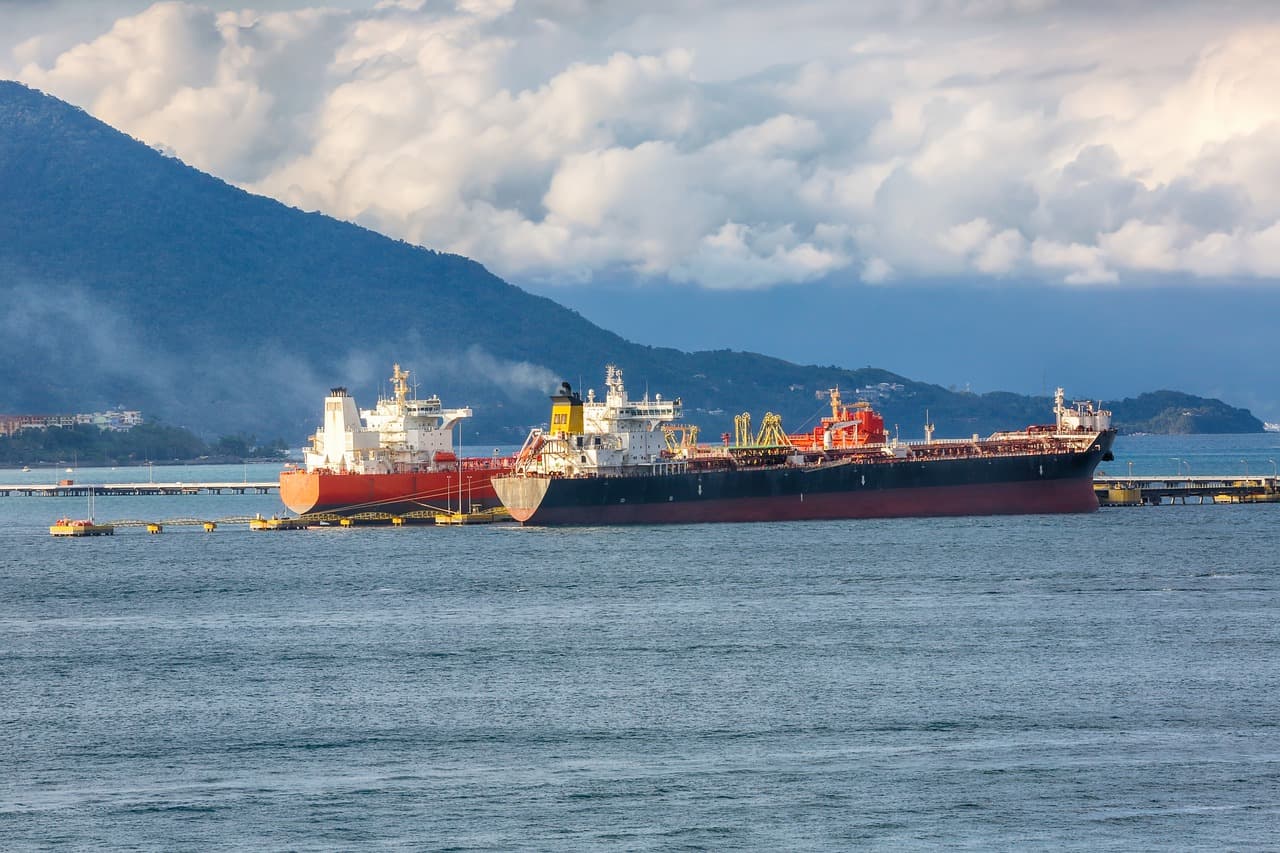
Seoul has promised to act if an investigation establishes that fuel shipments from South Korean ports to Russia violated domestic law. The pledge came in a joint statement from three government bodies and was followed within days by a diplomatic exchange with Ukraine over the same trade.
Joint statement from three agencies
The foreign and trade ministries and the customs service put out the statement together. Its core message was that South Korea will pursue legal remedies should its review show fuel shipments from its ports to Russia breached domestic law.
The authorities also said they are looking at further material on the loading cases the Guardian reported, and that once verification shows a breach of laws and regulations, they intend to respond within the law.
What the shipments involved
Guardian analysis of port records and ship-tracking data sits behind the government's response. It found more than 176,000 tonnes of fuel, mainly diesel shipments, loaded at several South Korean ports in July and August aboard seven tankers that completed 14 voyages towards Russia's far east.
- •UK and EU sanctions applied to three of the seven vessels.
- •One of the sanctioned tankers took on roughly 26,000 tonnes via a ship-to-ship transfer at an anchorage off Yeosu, on the southern coast.
- •Port records in South Korea do not reveal publicly who owned or sold the fuel, so this remains unknown.
Seoul's reading of its own rules
South Korea's export controls on Russia, the statement noted, concentrate on industrial machinery, electronics and vehicles - refined petroleum products fall outside them.
By the government's account, loading refined products at its ports is not on its own against domestic law. It added that no export of South Korean-origin diesel or similar fuel has been confirmed, and that customs clearance records show no diesel, aviation fuel or motor petrol sent from South Korea to Russia.
On declared destinations, the government took a careful line: a vessel that does not sail straight to where it said it was going but turns up elsewhere does not, by itself, justify calling the declaration false. Before deciding whether any law was broken, it will look at where the tankers actually went, how far that differed from what they declared, and why.
The three sanctioned tankers, when asked, told South Korean authorities they were heading for Japan or Singapore - then sailed to Vladivostok. Separately, the Russian-flagged Aram Khachaturian, which no western sanctions list covers, took on cargo at Ulsan three times across July and August, naming a non-Russian destination every time before heading there.
Ukraine's complaint and Seoul's reply
An adviser to Ukrainian President Volodymyr Zelenskyy said this week the shipments stood in "sharp contrast" to South Korea's sanctions policies. South Korea's presidential office answered on Wednesday, calling the remarks "contrary to fact and inappropriate" and asking Ukraine to avoid public comment that could hurt the country's international credibility.
Ukraine's foreign ministry, for its part, reportedly said that same day it had taken the matter up with Seoul privately and requested an explanation. Spokesperson Heorhii Tykhyi said Kyiv also has its own data on such activity.
Seoul says it is checking additional information on the reported loading cases and will act in accordance with the law if violations are established.