World
• Analysis
MI5 head says Russia attempted Brexit referendum interference via RT, Sputnik and trolls
Ken McCallum, head of MI5, said Russia did try to interfere in the 2016 Brexit referendum through biased broadcasts and fake social media accounts, but added that the Kremlin had no impact on the result.
By Haut Monde Post
• October 13, 2026
• 3 Min Read
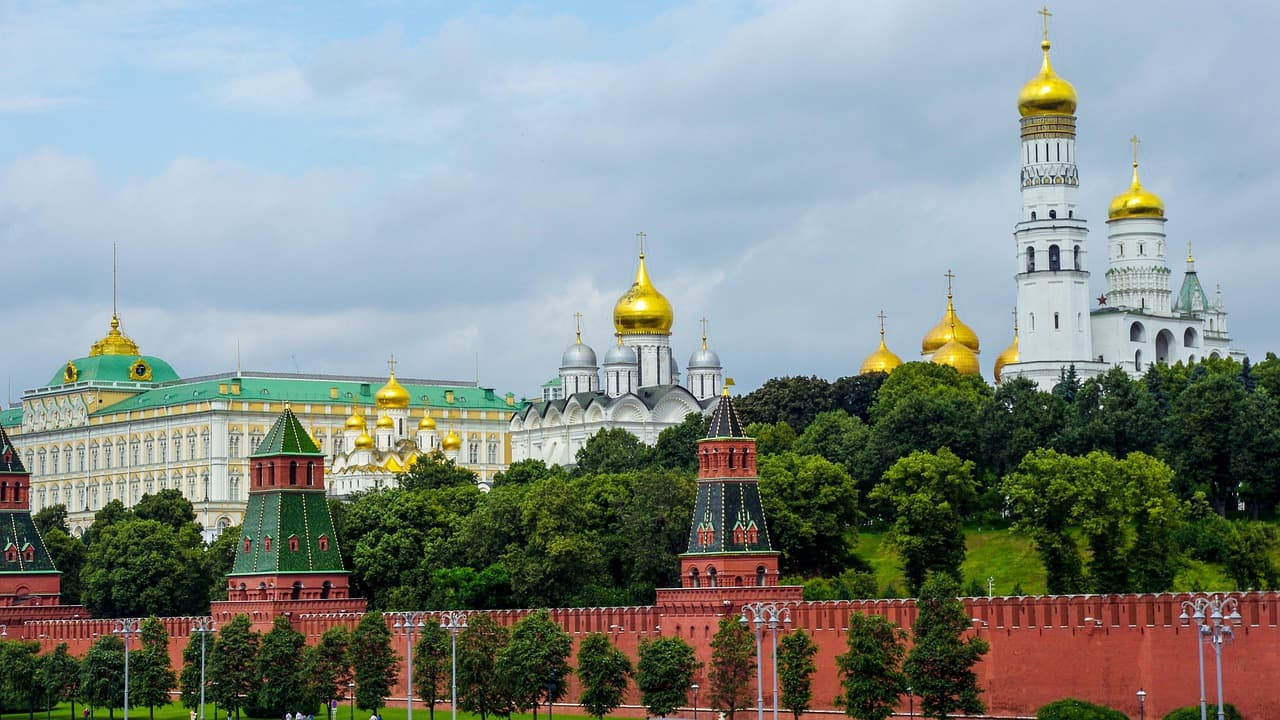
Ken McCallum, head of MI5, set out the mechanics of the attempted Russian interference in the Brexit referendum during the agency's annual threat update, saying the tactics were real but their effect on the vote was not.
What the interference attempts looked like
McCallum described two lines of attack. The first ran through the Russian-owned English-language broadcasters RT and Sputnik, which he said "came in pretty strongly around the time of the referendum" with biased anti-migration and anti-EU reports.
The second relied on internet trolls: fake social media accounts operating largely on X that sought to influence the result.
In his assessment, neither approach amounted to much. Neither tactic was particularly sophisticated or successful, the spy chief said.
Why McCallum played down the impact
The MI5 chief argued that the ongoing political argument over the referendum had done Russia's work for it. Continuing to debate the issue had, in his view, handed the Kremlin a needless propaganda victory, and it would be to Russia's benefit if the subject stayed controversial for several more days.
He said the sustained attention gave the impression that Kremlin disinformation attempts were more successful than they actually were, and voiced concern that trolls who had achieved little would be delighted to find themselves front-page news again. In his words, there was a big difference between "what may have been attempted and what actually resulted".
On the question of division, McCallum put the responsibility on Britain itself, saying how far adversaries were allowed to divide the country was up to the country - a warning aimed at the ongoing row rather than at Moscow.
His remarks amounted to an endorsement of comments made by Andy Burnham, who had raised the issue over the previous two days.
What earlier studies found
Both interference methods McCallum described had already been documented in research published in the years after the Brexit vote.
- •The digital campaign group 89up found RT and Sputnik had published 261 mostly misleading articles highlighting immigration and other anti-EU issues, achieving 134m potential page impressions.
- •Other studies reported a state-linked Russian troll army tweeting about the referendum, with estimates of active accounts ranging from 54 to 150,000.
How the issue returned to the agenda
The row was reignited when Burnham, in a podcast interview on Sunday, said that on arriving in Downing Street he had asked whether there was Russian interference in the 2016 referendum and received the clear answer that yes, there was.
Pressed by the Conservatives the next day on whether this meant he saw the Brexit vote as illegitimate, he retreated and offered nothing further to MPs. In Westminster on Tuesday, Downing Street confirmed Russian interference in the 2019 general election, calling a similar effort in 2016 "inconceivable" to have been absent - while the prime minister's spokesperson added: "We don't believe it was successful in the British referendum in 2016."
McCallum's message, delivered as part of MI5's annual threat update, was that prolonging the debate serves Russia's interests far more than the failed interference ever did.