Politics
• Analysis
Andy Burnham: Russia interfered in Brexit vote
Andy Burnham says Russia interfered in the 2016 EU referendum on Brexit, and that he was told so directly after arriving in Downing Street. His claim on the podcast The Rest is Politics marks a sharp break with the long-standing position of past Conservative governments, which maintained there was no evidence of successful Russian interference in the vote.
By Haut Monde Post
• October 11, 2026
• 3 Min Read
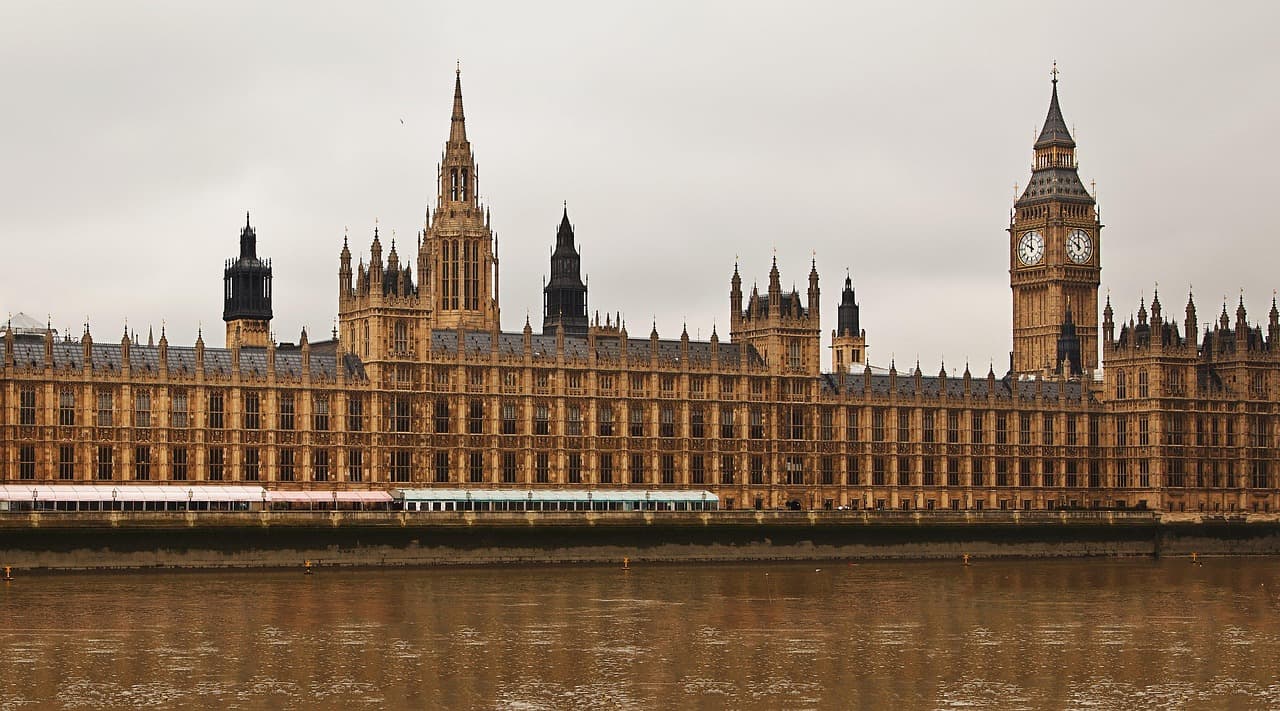
Andy Burnham says it is clear Russia interfered in the 2016 EU referendum on Brexit, and that he was told so directly after arriving in Downing Street. His claim, made on the podcast The Rest is Politics, marks a sharp break with the long-standing position of past Conservative governments, which maintained there was no evidence of successful Russian interference in the vote.
A clear answer on the 2016 referendum
Burnham said he sought answers on the Kremlin's involvement in the 2016 vote when he entered Downing Street. He asked whether Moscow had attempted to influence the referendum and received a confirmation that it had, speaking on The Rest is Politics.
"I asked the question coming to Downing Street: well, was there interference in the 2016 referendum from Russia? I've had the clear answer that yes,"
He did not disclose who had given him the assessment, what evidence it was based on, or whether any interference had affected the result.
Break with previous governments' position
Burnham's comments depart significantly from the position taken by past Conservative governments. Parliament's intelligence and security committee had already pressed the point in its 2020 intelligence and security committee report, which criticised the government and intelligence agencies.
- •The cross-party committee found ministers had failed to seek a full assessment of Moscow's activities, despite evidence of attempts via Russian state-backed media outlets and social media accounts.
- •It said the government had not provided any post-referendum assessment of Russian attempts at interference, unlike the US investigation after the 2016 presidential election.
- •The committee argued that whether a hostile state had sought to influence a democratic process was important regardless of whether those efforts had succeeded.
Call for openness and the Berlin visit
Burnham said Britain needed to be more open about attempts by hostile states to interfere in its politics, particularly with European leaders confronting the rise of the far right. He argued the country had been too much on the back foot, saying "we haven't informed people sufficiently about the extent to which people are seeking to disrupt the political process from overseas".
Putting such matters on the record, he said, would "help voters in Germany and France understand that some of this politics is instigated via our enemies, namely Russia".
This week he discussed the threat posed by the far-right Alternative für Deutschland (AfD) with the German chancellor, Friedrich Merz, on a visit to Berlin. Burnham said Merz raised concerns that "the AfD are clearly linked to Russia – funded, I believe", and that he had replied: "we need to support you in taking on the threat that you face and particularly the type of politics that you're facing". He added that "There is certainly misinformation, disinformation, that is emanating from Russia into German politics".
Broader context
Burnham's remarks come weeks after the prime minister attacked Russian information warfare in a speech to the UN general assembly, citing evidence that Moscow tried to interfere with the 2019 general election. Last month, Burnham also opened the door to Britain eventually rejoining the EU, saying his government would examine all options for the future relationship with Brussels.