World
• Analysis
Small Boats Keep the Smugglers' Business Alive on the French Coast
Asylum seekers in northern France say people smugglers are still running a thriving business moving small boats across the Channel, even as arrivals in the UK fall by more than 40% this year. Aid groups and unions argue that only safe routes will break the trade.
By Haut Monde Post
• October 11, 2026
• 5 Min Read
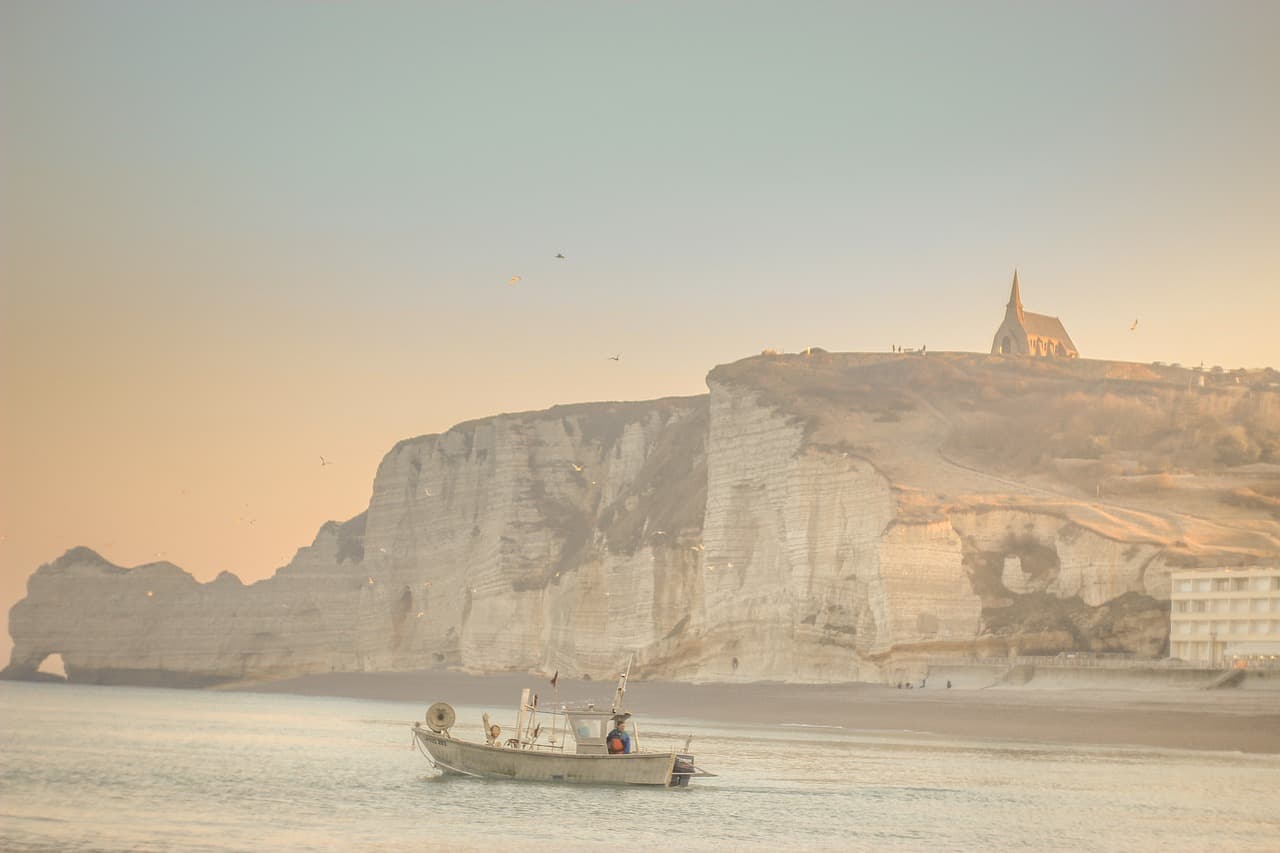
Around 30 asylum seekers stood on a beach near Boulogne-sur-Mer this week waiting to board a dinghy dug out of a sand dune, even as the number of people arriving in the UK on small boats falls by more than 40% this year compared with the same period in 2025.
Amad, an asylum seeker from Iraq who was among the group, said the people smugglers he deals with adjust to every setback the authorities throw at them. "They have plan A, plan B and plan C, so there is always a way for them to get people across," he said.
He added that the trade's profits guarantee its survival: "For as long as asylum seekers will pay them, there is too much money involved for them to give up".
The Home Office and the National Crime Agency make regular announcements about smugglers being intercepted and dinghies seized "upstream". Yet the burial of dinghies in dunes ahead of launches - one smuggler near Boulogne-sur-Mer dug one up, assembled it and attached a motor in record time before a crossing - shows how the operation continues on the French coast regardless.
Life in the Jungle
The waiting ground for these crossings is the area of northern France known as the Jungle. Several asylum seekers spoke to the Guardian this week from there, all hoping to cross within days.
Omar, from Yemen, said the camp has never been fuller: "This place is busier than ever. So many refugees and so many smugglers are here. Everyone wants to cross".
The routes people take to reach it are long. Sohrab, from Afghanistan, slept on Paris streets and spent a day in a French jail after trying to board a lorry before arriving in the Jungle. "There is no other way for me to reach the UK apart than to go to the Jungle," he said.
The numbers crossing have nonetheless fallen sharply. Between 2 and 7 October, 1,739 people arrived in the UK in 23 boats. Arrivals on small boats are down more than 40% so far this year against the same period last year, a drop probably due to initiatives, weather and an overall decline in irregular migration to Europe. Figures for Europe as a whole point the same way: arrivals fell 39% this year, from 98,040 in the same period last year to approximately 60,000.
Crackdowns Funded by the UK
Aid groups link the policing of the French coast to British money. Utopia 56, which witnesses police interventions on French beaches, says police violence against migrants has increased significantly since the UK increased its funding to France earlier this year on a payment-by-results basis. The charity estimates a 40% increase in police violence from April to August 2026 compared with the same period the previous year.
That period coincided with an agreement for the UK to pay France £660m over three years to ramp up "stop the boats" initiatives. Despite the fall in crossings, far-right agitators wearing masks and black paramilitary clothing continue to protest on the streets and try to block small boat arrivals.
Médecins Sans Frontières sees the consequences directly. Sophie McCann of MSF UK said: "The government's increasingly brutal efforts to stop people trying to reach the UK by boat are failing". Her organisation's teams in Calais and Dunkirk witness, in her words, "the serious physical and psychological harm caused by violence and harassment meted out by French police, largely funded by the UK".
The Case for Safe Routes
Charities and unions argue the smugglers' business would collapse if legal routes existed. The PCS union and Care4Calais have drawn up a blueprint for a refugee visa-to-travel scheme allowing asylum seekers to travel legally to the UK. Under the plan, asylum claims would still be considered on merit and rejected claimants removed - but, they say, it would eliminate people smugglers from the equation and save lives.
Care4Calais says the visa scheme could dent the smugglers' business in a way other initiatives have failed to do, though it would not halt irregular arrivals entirely. The charity's Charlotte Khan said consecutive governments have focused on border security measures that have only made Channel crossings more dangerous, resulting in a shocking number of lives lost, while ignoring safe routes - the only solution that will work.
The human cost of the current system is measured by the UN's International Organization for Migration: at least 225 people have died while trying to cross the Channel since 2018.
PCS general secretary Fran Heathcote has called for a Ukrainian-style visa system to remove the demand for smugglers, saying members' voices must be heard. "The only way to truly undermine criminal smuggling gangs is to remove the demand through a Ukrainian-style visa system," she said.
The Home Office points instead to the reopening of the UK resettlement scheme for new referrals, announced by the home secretary the week before, as providing genuine refugees with a safe and legal route - though the scheme is likely to assist only a few hundred refugees a year.
McCann's warning frames the choice facing ministers: "People will continue to risk their lives crossing the Channel in search of safety in the UK until the government provides safe and accessible routes".
For Amad, the alternative is simple. "We would much prefer to give our money to the UK government if they allowed us to come here legally, rather than to the smugglers," he said. "No asylum seeker would pay smugglers who beat and exploit them, or risk our lives on a dinghy, if there was another way".