Saturday, October 3, 2026

english

HAUT MONDE

POST

World

• Analysis

Rome golf cart tours face police crackdown as fines reach €38,000

Rome golf cart tours have run into intensified police checks after a report found 90% of the roughly 500 carts circulating in the city were operating without authorisation. In recent days police stopped 131 carts and issued €38,000 of fines, while residents and taxi drivers say the vehicles add to Rome's traffic and overtourism frustrations.

By Haut Monde Post

• October 3, 2026

• 4 Min Read
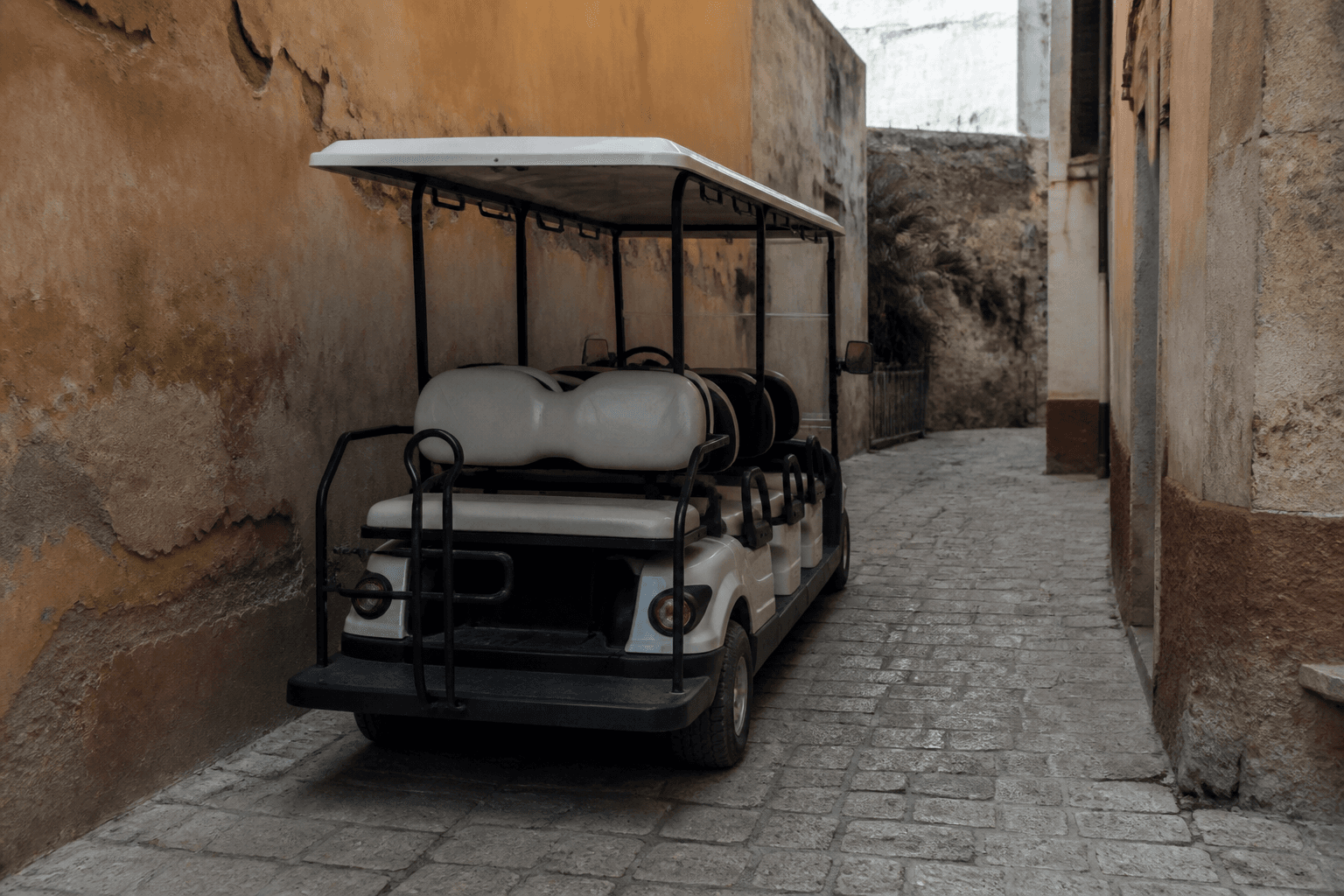
An open-sided golf cart with empty passenger seats parked on a narrow cobblestone street between ochre walls, seen from behind.

Rome golf cart tours have run into intensified police checks after the news agency Adnkronos reported that 90% of the roughly 500 carts circulating in the city were operating without authorisation. In recent days police stopped 131 carts and issued €38,000 of fines, while residents and taxi drivers say the vehicles add to the daily strains of a city already wrestling with traffic and overtourism.

Police step up checks after unauthorisation report

The crackdown followed a report by the news agency Adnkronos that 90% of the roughly 500 carts in the city were operating without authorisation. In recent days officers stopped 131 carts around four well-known sites:

  • •Piazza Navona
  • •the Pantheon
  • •Circo Massimo
  • •the Spanish Steps

Fines from the stops came to €38,000, covering offences from unlicensed driving to illegal parking.

Why visitors take to the carts

Barry and Linda, visitors from Texas in the US, stepped away from their cart at the edge of Piazza Navona, intending to cross the square on foot, perhaps pausing at Bernini's 17th-century Fountain of the Four Rivers, before being picked up at the opposite end.

They had walked on day one of the trip, then endured a stifling three-hour shuffle along a corridor towards the Sistine Chapel on day two, so by day three they wanted to rest their feet. Barry said the idea had struck him as odd at first – "that sounds a little weird" – but what he enjoyed most was "feeling the breeze".

Linda said the centre's ancient narrow streets are hard going for pedestrians: "There are no sidewalks." "Our feet were hurting and we needed a break," she added. The couple paid €310 for the three-hour ride. "But it's worth it," said Barry.

Prices for the tours vary by type and duration, starting at €100 a person and exceeding €400 for a half-day trip. Miri, a mother of two teenagers from Israel, spoke as her teenagers rested on a parked cart: "We just want a lift to the Colosseum but you have to book online." "Rome is too crowded and it's difficult to walk," she added.

Locals and taxi drivers lose patience

For residents, the carts' spread in recent years is one more irritant in an overloaded city. The fiercest complaints come from taxi drivers, who accuse the operators of poaching their fares.

The streets in question are already crowded: pedestrians, cars, scooters, delivery vans and the occasional rogue horse-drawn carriage all compete for space. Tours also run in Fiat 500s, on Vespas with sidecars and in tuk-tuks, but the golf carts have drawn particular ire.

Nora Fahmi, who has spent 13 years at Trevimage, an art photography shop behind the Pantheon, said: "We've had this shop for 13 years and have seen all sorts of things, but the golf cart situation is kind of wild".

Elisa Isacco, who lives in the Monti area and spares no sympathy for weary tourists, questioned what riders actually see or learn about Rome on a cart. Getting around Monti herself, she said, means constantly dodging the vehicles in a city she finds chaotic, like a jungle.

A driver defends the trade

Leo Pavoncello, a driver for an operator in the Jewish Ghetto area, was himself checked and found to be fully legitimate. He blamed a few rotten apples for giving the business a bad name, and said: "I don't understand why they are targeting us," though he suspects taxi lobbies are piling on the pressure.

He defended the silent, eco-friendly vehicles, which he said open up the sights to people with disabilities and to families with children, and create jobs for young people. "Rome is a touristic city that has always been full of traffic, and the golf carts are simply another mode of transport," he said.

Traffic arguments are nothing new in Rome: Julius Caesar tried to tackle the problem more than 2,000 years ago by banning private vehicles and commercial carts from the city's streets during the day.

Several golf cart tour operators have banned staff from speaking to the press amid the clampdown. Mobility councillor Eugenio Patanè told Adnkronos that Rome's leaders are pushing for regionwide measures to properly regulate an activity that, he said, "risks spiralling out of control".


Saturday, Oct 3, 2026

english

World

• Analysis

Rome golf cart tours face police crackdown as fines reach €38,000

Rome golf cart tours have run into intensified police checks after a report found 90% of the roughly 500 carts circulating in the city were operating without authorisation. In recent days police stopped 131 carts and issued €38,000 of fines, while residents and taxi drivers say the vehicles add to Rome's traffic and overtourism frustrations.

By Haut Monde Post

Oct 3, 2026 • 4 Min Read

An open-sided golf cart with empty passenger seats parked on a narrow cobblestone street between ochre walls, seen from behind.

Rome golf cart tours have run into intensified police checks after the news agency Adnkronos reported that 90% of the roughly 500 carts circulating in the city were operating without authorisation. In recent days police stopped 131 carts and issued €38,000 of fines, while residents and taxi drivers say the vehicles add to the daily strains of a city already wrestling with traffic and overtourism.

Police step up checks after unauthorisation report

The crackdown followed a report by the news agency Adnkronos that 90% of the roughly 500 carts in the city were operating without authorisation. In recent days officers stopped 131 carts around four well-known sites:

  • •Piazza Navona
  • •the Pantheon
  • •Circo Massimo
  • •the Spanish Steps

Fines from the stops came to €38,000, covering offences from unlicensed driving to illegal parking.

Why visitors take to the carts

Barry and Linda, visitors from Texas in the US, stepped away from their cart at the edge of Piazza Navona, intending to cross the square on foot, perhaps pausing at Bernini's 17th-century Fountain of the Four Rivers, before being picked up at the opposite end.

They had walked on day one of the trip, then endured a stifling three-hour shuffle along a corridor towards the Sistine Chapel on day two, so by day three they wanted to rest their feet. Barry said the idea had struck him as odd at first – "that sounds a little weird" – but what he enjoyed most was "feeling the breeze".

Linda said the centre's ancient narrow streets are hard going for pedestrians: "There are no sidewalks." "Our feet were hurting and we needed a break," she added. The couple paid €310 for the three-hour ride. "But it's worth it," said Barry.

Prices for the tours vary by type and duration, starting at €100 a person and exceeding €400 for a half-day trip. Miri, a mother of two teenagers from Israel, spoke as her teenagers rested on a parked cart: "We just want a lift to the Colosseum but you have to book online." "Rome is too crowded and it's difficult to walk," she added.

Locals and taxi drivers lose patience

For residents, the carts' spread in recent years is one more irritant in an overloaded city. The fiercest complaints come from taxi drivers, who accuse the operators of poaching their fares.

The streets in question are already crowded: pedestrians, cars, scooters, delivery vans and the occasional rogue horse-drawn carriage all compete for space. Tours also run in Fiat 500s, on Vespas with sidecars and in tuk-tuks, but the golf carts have drawn particular ire.

Nora Fahmi, who has spent 13 years at Trevimage, an art photography shop behind the Pantheon, said: "We've had this shop for 13 years and have seen all sorts of things, but the golf cart situation is kind of wild".

Elisa Isacco, who lives in the Monti area and spares no sympathy for weary tourists, questioned what riders actually see or learn about Rome on a cart. Getting around Monti herself, she said, means constantly dodging the vehicles in a city she finds chaotic, like a jungle.

A driver defends the trade

Leo Pavoncello, a driver for an operator in the Jewish Ghetto area, was himself checked and found to be fully legitimate. He blamed a few rotten apples for giving the business a bad name, and said: "I don't understand why they are targeting us," though he suspects taxi lobbies are piling on the pressure.

He defended the silent, eco-friendly vehicles, which he said open up the sights to people with disabilities and to families with children, and create jobs for young people. "Rome is a touristic city that has always been full of traffic, and the golf carts are simply another mode of transport," he said.

Traffic arguments are nothing new in Rome: Julius Caesar tried to tackle the problem more than 2,000 years ago by banning private vehicles and commercial carts from the city's streets during the day.

Several golf cart tour operators have banned staff from speaking to the press amid the clampdown. Mobility councillor Eugenio Patanè told Adnkronos that Rome's leaders are pushing for regionwide measures to properly regulate an activity that, he said, "risks spiralling out of control".

Saturday, Oct 3, 2026

english

World

• Analysis

Rome golf cart tours face police crackdown as fines reach €38,000

Rome golf cart tours have run into intensified police checks after a report found 90% of the roughly 500 carts circulating in the city were operating without authorisation. In recent days police stopped 131 carts and issued €38,000 of fines, while residents and taxi drivers say the vehicles add to Rome's traffic and overtourism frustrations.

By Haut Monde Post

Oct 3, 2026 • 4 Min Read

An open-sided golf cart with empty passenger seats parked on a narrow cobblestone street between ochre walls, seen from behind.

Rome golf cart tours have run into intensified police checks after the news agency Adnkronos reported that 90% of the roughly 500 carts circulating in the city were operating without authorisation. In recent days police stopped 131 carts and issued €38,000 of fines, while residents and taxi drivers say the vehicles add to the daily strains of a city already wrestling with traffic and overtourism.

Police step up checks after unauthorisation report

The crackdown followed a report by the news agency Adnkronos that 90% of the roughly 500 carts in the city were operating without authorisation. In recent days officers stopped 131 carts around four well-known sites:

  • •Piazza Navona
  • •the Pantheon
  • •Circo Massimo
  • •the Spanish Steps

Fines from the stops came to €38,000, covering offences from unlicensed driving to illegal parking.

Why visitors take to the carts

Barry and Linda, visitors from Texas in the US, stepped away from their cart at the edge of Piazza Navona, intending to cross the square on foot, perhaps pausing at Bernini's 17th-century Fountain of the Four Rivers, before being picked up at the opposite end.

They had walked on day one of the trip, then endured a stifling three-hour shuffle along a corridor towards the Sistine Chapel on day two, so by day three they wanted to rest their feet. Barry said the idea had struck him as odd at first – "that sounds a little weird" – but what he enjoyed most was "feeling the breeze".

Linda said the centre's ancient narrow streets are hard going for pedestrians: "There are no sidewalks." "Our feet were hurting and we needed a break," she added. The couple paid €310 for the three-hour ride. "But it's worth it," said Barry.

Prices for the tours vary by type and duration, starting at €100 a person and exceeding €400 for a half-day trip. Miri, a mother of two teenagers from Israel, spoke as her teenagers rested on a parked cart: "We just want a lift to the Colosseum but you have to book online." "Rome is too crowded and it's difficult to walk," she added.

Locals and taxi drivers lose patience

For residents, the carts' spread in recent years is one more irritant in an overloaded city. The fiercest complaints come from taxi drivers, who accuse the operators of poaching their fares.

The streets in question are already crowded: pedestrians, cars, scooters, delivery vans and the occasional rogue horse-drawn carriage all compete for space. Tours also run in Fiat 500s, on Vespas with sidecars and in tuk-tuks, but the golf carts have drawn particular ire.

Nora Fahmi, who has spent 13 years at Trevimage, an art photography shop behind the Pantheon, said: "We've had this shop for 13 years and have seen all sorts of things, but the golf cart situation is kind of wild".

Elisa Isacco, who lives in the Monti area and spares no sympathy for weary tourists, questioned what riders actually see or learn about Rome on a cart. Getting around Monti herself, she said, means constantly dodging the vehicles in a city she finds chaotic, like a jungle.

A driver defends the trade

Leo Pavoncello, a driver for an operator in the Jewish Ghetto area, was himself checked and found to be fully legitimate. He blamed a few rotten apples for giving the business a bad name, and said: "I don't understand why they are targeting us," though he suspects taxi lobbies are piling on the pressure.

He defended the silent, eco-friendly vehicles, which he said open up the sights to people with disabilities and to families with children, and create jobs for young people. "Rome is a touristic city that has always been full of traffic, and the golf carts are simply another mode of transport," he said.

Traffic arguments are nothing new in Rome: Julius Caesar tried to tackle the problem more than 2,000 years ago by banning private vehicles and commercial carts from the city's streets during the day.

Several golf cart tour operators have banned staff from speaking to the press amid the clampdown. Mobility councillor Eugenio Patanè told Adnkronos that Rome's leaders are pushing for regionwide measures to properly regulate an activity that, he said, "risks spiralling out of control".