Friday, November 13, 2026

english

HAUT MONDE

POST

World

• Analysis

RAF Fairford arrests: jail calls named Ali as the plot's handler

An updated US terror case against Mohammad Baqer Saad Dawood al-Saadi, in American custody since May, says coded messages passed from his New York jail cell reached an associate who directed the September Cotswolds incident beside RAF Fairford. The indictment, released Tuesday, names that handler as Mohammed Ali al-Hassani, a 35-year-old Iraqi who once lived in Britain.
By Haut Monde Post

• November 13, 2026

• 4 Min Read

RAF Fairford arrests: jail calls named Ali as the plot's handler

The RAF Fairford arrests now have a paper trail. On Tuesday the US Department of Justice released an updated indictment describing continued activity by associates of Mohammad Baqer Saad Dawood al-Saadi, the man accused of promoting and directing terror and arson attacks against American and Jewish targets in the UK and Europe on behalf of Iran. At the centre of the new filing are phone calls al-Saadi made from custody - and what he is said to have asked about a man he knew only as Ali.

Coded messages from a Manhattan jail

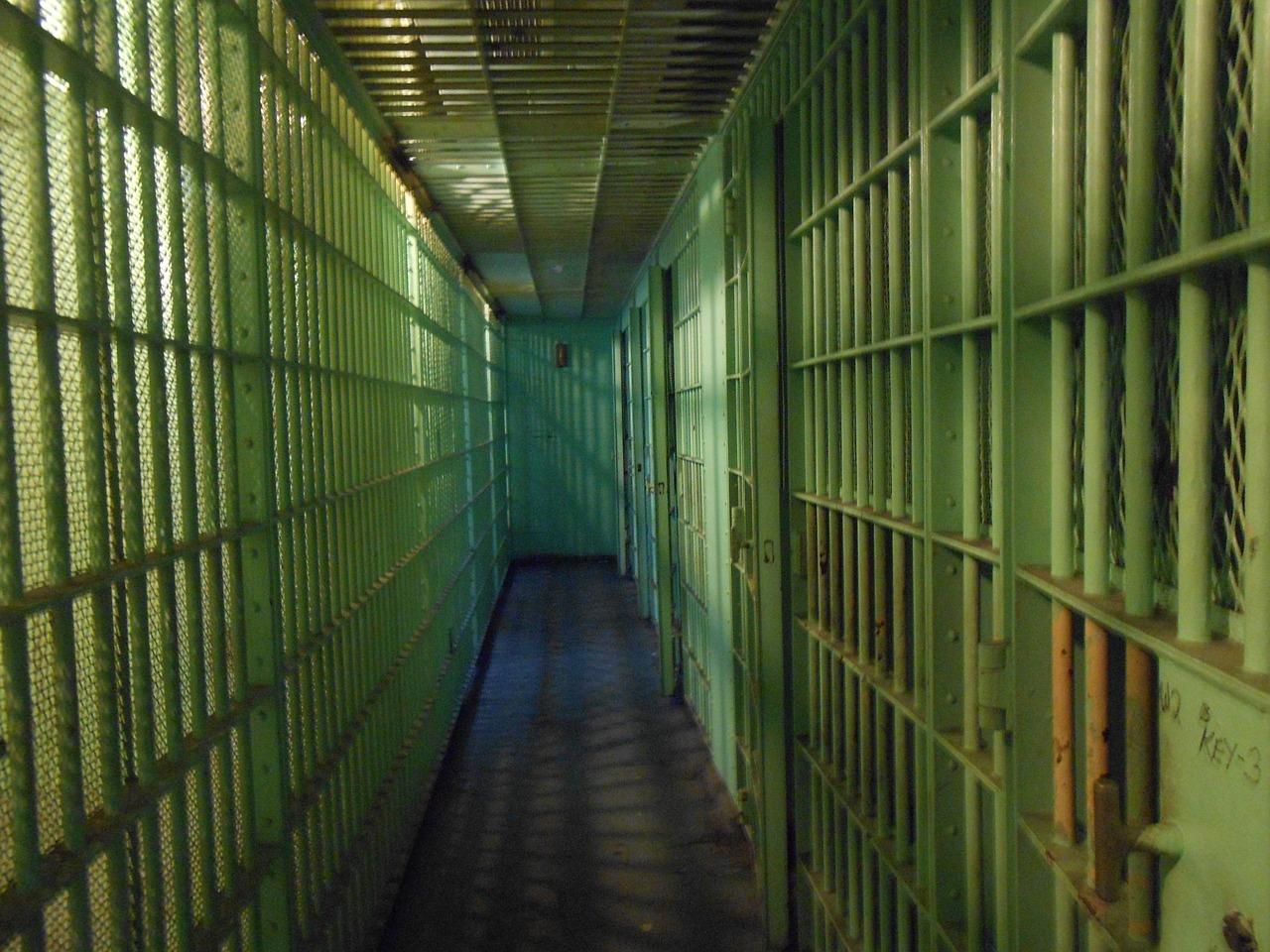
The 26-page indictment says al-Saadi used calls from a New York jail to his family to try to pass coded messages to two associates in Iran. Al-Saadi has been in US custody since May, when he was arrested in Turkey and extradited within a couple of weeks. When he first appeared in a Manhattan courtroom in June, he described himself as "a prisoner of war".

The key call came on or about 24 September, according to the filing. Al-Saadi asked after an associate named Ali, whom family members said had been transferred to the "International Section", and then gave the instruction "Give him money so we can do it".

Who is Ali?

The indictment last night identified Ali as Mohammed Ali al-Hassani, a 35-year-old Iraqi who had lived in Britain and was allegedly using contacts and associates to carry out terrorist attacks in the UK. Al-Saadi was accused of leading a terror group called Harakat Ashab al-Yamin al-Islamia (Hayi) as well as being a commander with Kata'ib Hezbollah, an Iraqi group backed by Iran's Revolutionary Guard Corps.

According to the US indictment, Ali directed the September incident in a Cotswold village right next to RAF Fairford within days of the calls. Al-Hassani had already been accused by the US in August of orchestrating the preparations of the alleged plot against RAF Fairford. Westminster magistrates court heard last month that the men in the vans had been directed to drive to Fairford by a handler called Ali.

The London arson campaign behind the case

Al-Hassani and Mohsen Mohajeri were said to be al-Saadi's two associates in the low-level campaign conducted by Hayi in March and April. The string of Hayi-linked arson attacks in London in that period targeted synagogues and other Jewish community sites.

The indictment traces the escalation step by step:

  • •On 6 April, in video obtained by US prosecutors, Mohajeri told al-Hassani "We need to get focused on London" while looking at a map of the capital; six attacks in London followed shortly after.
  • •All three men are accused of directing an individual in real time to attack a premises linked to the educational charity Jewish Futures in Hendon, north London, on 17 April.
  • •A man lit a plastic bag containing bottles of fluid outside the front of the building before fleeing.
  • •Prosecutors say a FaceTime call linked the three men to the Hendon perpetrator, with al-Hassani apparently directing actions, telling them to take a lighter and "light one in your hand", "light it" and "throw the fourth one".

What Britain has said and charged

Andy Burnham, described as prime minister, told MPs in mid-October that the IRGC was "almost certainly" behind Fairford. Home secretary Shabana Mahmood said the Fairford incident was highly likely to have been co-ordinated by a known individual based in Iran and almost certainly directed by the IRGC. Britain's own role in the US-led bombing of Iran, according to the report, was limited to allowing the US to use its airbases.

A fortnight after Burnham's statement, UK police charged two Britons from London with assisting Iranian intelligence in breach of the 2023 National Security Act; the two have yet to plead. Meanwhile al-Hassani and Mohajeri remained at liberty.

HAUT MONDE POST

Independent journalism of the highest standard. A chronicle of world culture, politics, arts, and public thought.

Publication

AboutEditorial

Newsletter

Get the best Haut Monde Post content delivered to your inbox every week.

© 2026 Haut Monde Post. All rights reserved. Digital edition hautmondepost.com.

Friday, Nov 13, 2026

english

World

• Analysis

RAF Fairford arrests: jail calls named Ali as the plot's handler

An updated US terror case against Mohammad Baqer Saad Dawood al-Saadi, in American custody since May, says coded messages passed from his New York jail cell reached an associate who directed the September Cotswolds incident beside RAF Fairford. The indictment, released Tuesday, names that handler as Mohammed Ali al-Hassani, a 35-year-old Iraqi who once lived in Britain.

By Haut Monde Post

Nov 13, 2026 • 4 Min Read
RAF Fairford arrests: jail calls named Ali as the plot's handler

The RAF Fairford arrests now have a paper trail. On Tuesday the US Department of Justice released an updated indictment describing continued activity by associates of Mohammad Baqer Saad Dawood al-Saadi, the man accused of promoting and directing terror and arson attacks against American and Jewish targets in the UK and Europe on behalf of Iran. At the centre of the new filing are phone calls al-Saadi made from custody - and what he is said to have asked about a man he knew only as Ali.

Coded messages from a Manhattan jail

The 26-page indictment says al-Saadi used calls from a New York jail to his family to try to pass coded messages to two associates in Iran. Al-Saadi has been in US custody since May, when he was arrested in Turkey and extradited within a couple of weeks. When he first appeared in a Manhattan courtroom in June, he described himself as "a prisoner of war".

The key call came on or about 24 September, according to the filing. Al-Saadi asked after an associate named Ali, whom family members said had been transferred to the "International Section", and then gave the instruction "Give him money so we can do it".

Who is Ali?

The indictment last night identified Ali as Mohammed Ali al-Hassani, a 35-year-old Iraqi who had lived in Britain and was allegedly using contacts and associates to carry out terrorist attacks in the UK. Al-Saadi was accused of leading a terror group called Harakat Ashab al-Yamin al-Islamia (Hayi) as well as being a commander with Kata'ib Hezbollah, an Iraqi group backed by Iran's Revolutionary Guard Corps.

According to the US indictment, Ali directed the September incident in a Cotswold village right next to RAF Fairford within days of the calls. Al-Hassani had already been accused by the US in August of orchestrating the preparations of the alleged plot against RAF Fairford. Westminster magistrates court heard last month that the men in the vans had been directed to drive to Fairford by a handler called Ali.

The London arson campaign behind the case

Al-Hassani and Mohsen Mohajeri were said to be al-Saadi's two associates in the low-level campaign conducted by Hayi in March and April. The string of Hayi-linked arson attacks in London in that period targeted synagogues and other Jewish community sites.

The indictment traces the escalation step by step:

  • •On 6 April, in video obtained by US prosecutors, Mohajeri told al-Hassani "We need to get focused on London" while looking at a map of the capital; six attacks in London followed shortly after.
  • •All three men are accused of directing an individual in real time to attack a premises linked to the educational charity Jewish Futures in Hendon, north London, on 17 April.
  • •A man lit a plastic bag containing bottles of fluid outside the front of the building before fleeing.
  • •Prosecutors say a FaceTime call linked the three men to the Hendon perpetrator, with al-Hassani apparently directing actions, telling them to take a lighter and "light one in your hand", "light it" and "throw the fourth one".

What Britain has said and charged

Andy Burnham, described as prime minister, told MPs in mid-October that the IRGC was "almost certainly" behind Fairford. Home secretary Shabana Mahmood said the Fairford incident was highly likely to have been co-ordinated by a known individual based in Iran and almost certainly directed by the IRGC. Britain's own role in the US-led bombing of Iran, according to the report, was limited to allowing the US to use its airbases.

A fortnight after Burnham's statement, UK police charged two Britons from London with assisting Iranian intelligence in breach of the 2023 National Security Act; the two have yet to plead. Meanwhile al-Hassani and Mohajeri remained at liberty.

HAUT MONDE POST

Independent journalism of the highest standard. A chronicle of world culture, politics, arts, and public thought. Published and printed daily in Paris, France.

Publication

AboutEditorial

Newsletter

Get the best Haut Monde Post content delivered to your inbox every week.

© 2026 Haut Monde Post. All rights reserved. Digital edition hautmondepost.com. Published in Paris.

Friday, Nov 13, 2026

english

World

• Analysis

RAF Fairford arrests: jail calls named Ali as the plot's handler

An updated US terror case against Mohammad Baqer Saad Dawood al-Saadi, in American custody since May, says coded messages passed from his New York jail cell reached an associate who directed the September Cotswolds incident beside RAF Fairford. The indictment, released Tuesday, names that handler as Mohammed Ali al-Hassani, a 35-year-old Iraqi who once lived in Britain.

By Haut Monde Post

RAF Fairford arrests: jail calls named Ali as the plot's handler

The RAF Fairford arrests now have a paper trail. On Tuesday the US Department of Justice released an updated indictment describing continued activity by associates of Mohammad Baqer Saad Dawood al-Saadi, the man accused of promoting and directing terror and arson attacks against American and Jewish targets in the UK and Europe on behalf of Iran. At the centre of the new filing are phone calls al-Saadi made from custody - and what he is said to have asked about a man he knew only as Ali.

Coded messages from a Manhattan jail

The 26-page indictment says al-Saadi used calls from a New York jail to his family to try to pass coded messages to two associates in Iran. Al-Saadi has been in US custody since May, when he was arrested in Turkey and extradited within a couple of weeks. When he first appeared in a Manhattan courtroom in June, he described himself as "a prisoner of war".

The key call came on or about 24 September, according to the filing. Al-Saadi asked after an associate named Ali, whom family members said had been transferred to the "International Section", and then gave the instruction "Give him money so we can do it".

Who is Ali?

The indictment last night identified Ali as Mohammed Ali al-Hassani, a 35-year-old Iraqi who had lived in Britain and was allegedly using contacts and associates to carry out terrorist attacks in the UK. Al-Saadi was accused of leading a terror group called Harakat Ashab al-Yamin al-Islamia (Hayi) as well as being a commander with Kata'ib Hezbollah, an Iraqi group backed by Iran's Revolutionary Guard Corps.

According to the US indictment, Ali directed the September incident in a Cotswold village right next to RAF Fairford within days of the calls. Al-Hassani had already been accused by the US in August of orchestrating the preparations of the alleged plot against RAF Fairford. Westminster magistrates court heard last month that the men in the vans had been directed to drive to Fairford by a handler called Ali.

The London arson campaign behind the case

Al-Hassani and Mohsen Mohajeri were said to be al-Saadi's two associates in the low-level campaign conducted by Hayi in March and April. The string of Hayi-linked arson attacks in London in that period targeted synagogues and other Jewish community sites.

The indictment traces the escalation step by step:

  • •On 6 April, in video obtained by US prosecutors, Mohajeri told al-Hassani "We need to get focused on London" while looking at a map of the capital; six attacks in London followed shortly after.
  • •All three men are accused of directing an individual in real time to attack a premises linked to the educational charity Jewish Futures in Hendon, north London, on 17 April.
  • •A man lit a plastic bag containing bottles of fluid outside the front of the building before fleeing.
  • •Prosecutors say a FaceTime call linked the three men to the Hendon perpetrator, with al-Hassani apparently directing actions, telling them to take a lighter and "light one in your hand", "light it" and "throw the fourth one".

What Britain has said and charged

Andy Burnham, described as prime minister, told MPs in mid-October that the IRGC was "almost certainly" behind Fairford. Home secretary Shabana Mahmood said the Fairford incident was highly likely to have been co-ordinated by a known individual based in Iran and almost certainly directed by the IRGC. Britain's own role in the US-led bombing of Iran, according to the report, was limited to allowing the US to use its airbases.

A fortnight after Burnham's statement, UK police charged two Britons from London with assisting Iranian intelligence in breach of the 2023 National Security Act; the two have yet to plead. Meanwhile al-Hassani and Mohajeri remained at liberty.