Sunday, November 8, 2026

english

HAUT MONDE

POST

World

• Analysis

Pope Leo XIV Argentina visit opens with disability home amid Milei funding clash

Pope Leo XIV begins his first full day in Argentina on Monday 9 November at a disability home in Claypole, on a three-country South America trip that includes a Sunday airport meeting with President Javier Milei, whose government has cut disability funding.
By Haut Monde Post

• November 8, 2026

• 5 Min Read

Pope Leo XIV Argentina visit opens with disability home amid Milei funding clash

First stop: a disability home in Claypole

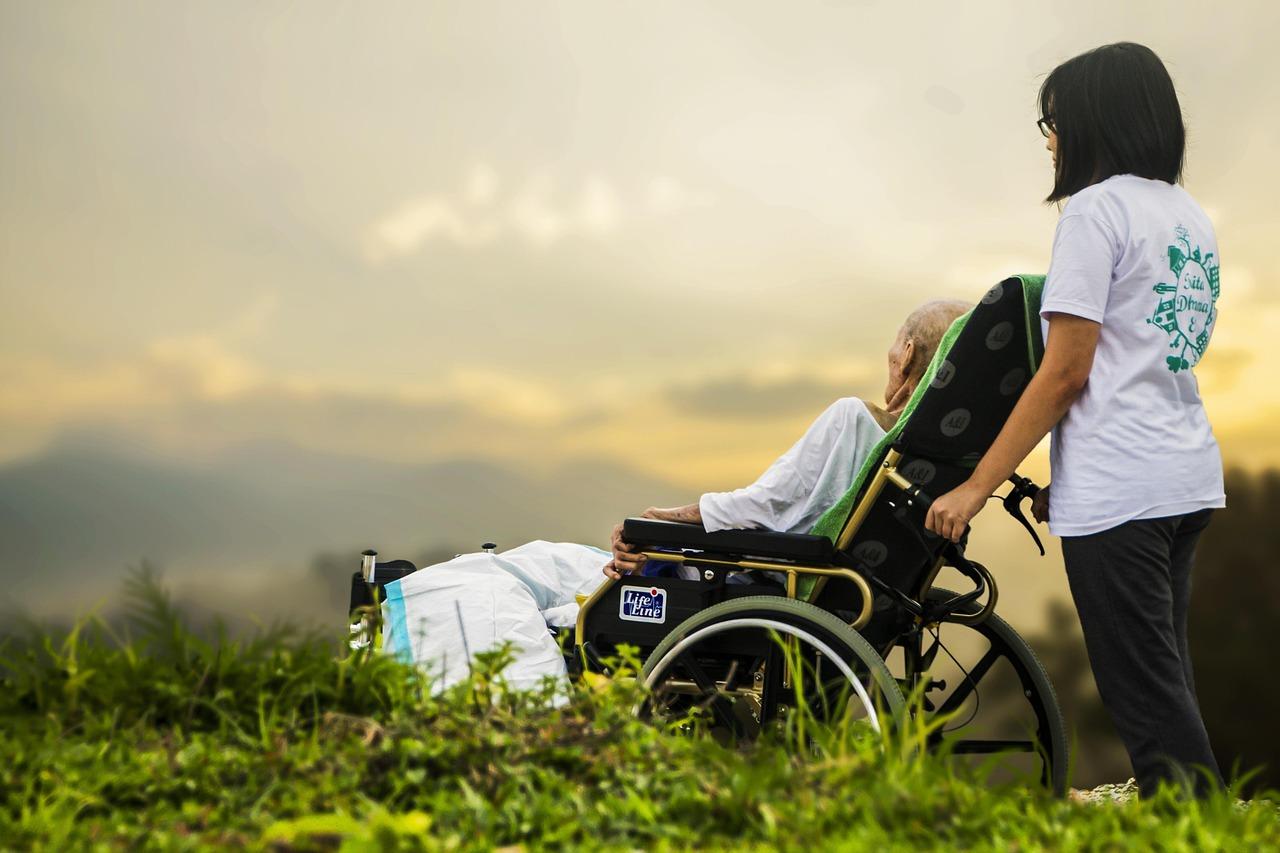
The pope's first full day in the country opens at the Cottolengo Don Orione, a Catholic-run home for disabled people in Claypole, and the choice carries weight. President Javier Milei's government has made wide-ranging cuts to disability funding, and staff at the home say deliveries stopped arriving months ago.

Fernando Montero, the facility's coordinator, described the halt:

[The government] cut off the supply of medications, special foods and diapers. They haven't delivered any since last November.

Montero said the matter is now before the courts. He also framed the encounter in political terms, saying the pope and Milei hold completely opposing ideologies, and calling Milei a hyper-capitalist who believes only those who compete the most should be rewarded.

The dispute is not just local. Argentina's conference of bishops wrote to health minister Mario Lugones on 1 April, denouncing the serious situation facing institutions that care for people with disabilities. The health ministry met the bishops twice since, in April and again on 5 October, but without resolving the impasse over a funding law stuck in Congress.

First papal visit since 1987, on a three-country trip

This is the first papal visit to Argentina since John Paul II came in 1987. Pope Francis, who was Argentine, never returned during his papacy, making Leo XIV the first pope to set foot in the country in nearly four decades.

The stop is part of a wider itinerary:

  • •The trip began in Uruguay on Friday and runs through three South American countries.
  • •Milei receives the pope at the airport on Sunday.
  • •From the disability home in Claypole, the pope travels to Buenos Aires to meet business and union leaders.
  • •On Tuesday, he celebrates Mass at the grounds of FAdeA, the state-owned military aircraft factory in Córdoba, whose workers have protested against Milei's cuts.
  • •After three days in Argentina, the trip finishes with six days in Peru.

Two opposing agendas: cuts, pensions and AI

Milei, a far-right libertarian economist who campaigned with a chainsaw as a symbol of spending cuts, has a history of friction with the papacy. In 2020 he called Francis an imbecile and the representative of the Evil One on Earth, though he claims to have apologised when the two met in the Vatican in February 2024. Since taking office in December 2023, he has slashed public spending, which the government says was needed to curb inflation.

According to the thinktank Mate, retirees on the minimum pension - 63% of the total - have lost about 30% of their purchasing power. At the weekly retirees' march outside Congress last Wednesday, one man held a cardboard sign reading "Save us Pope Leo XIV – Milei is killing us."

The two leaders also diverge on artificial intelligence:

  • •In May, Leo XIV called for disarming artificial intelligence.
  • •Milei has said he would not regulate AI, and has presented bills to build datacentres and grant legal status to no-human corporations.
  • •Federico Sturzenegger, a minister in charge of state cuts, says he has used AI to draft legislation.

What Argentines expect from the visit

Buenos Aires archbishop Jorge García Cuerva said last month that Leo XIV would find a divided Argentina and a large number of very poor brothers and sisters. Juan Cruz Esquivel, director of Buenos Aires University's Barometer of Religions and Beliefs, said any mention by the pope of defending domestic production, labour, disability or social justice naturally clashes with Milei's ideology. Córdoba priest Mariano Oberlin, however, expects the clash to play out diplomatically, saying Leo keeps upholding the church's social doctrine as the key axis of his ministry.

Government officials have played down the prospect of confrontation. Social policy minister Sandra Pettovello said there's no way the pope is going to come to Argentina to comment on local politics. Amnesty International, for its part, has written to the pope about the country, warning of its concern about government decisions that affect the exercise of fundamental rights.

The day before the papal arrival, the LGBTQIA+ community holds the 35th Pride March in Buenos Aires. María Rachid of the march's organising committee said the church's dogma regarding their families has not changed under either pope, though Francis's words brought some relief to many families.

The religious ground itself is shifting, according to figures from Buenos Aires University. Nearly 20 years ago, 76.5% of Argentines identified as Catholic and 9% as evangelical; today those shares stand at 57.7% and 17.4% respectively. Esquivel said Catholicism remains the majority religion but has lost its cultural hegemony and its influence on the legislative agenda.

That shift shapes politics too. Last week, Milei inaugurated an evangelical temple in Neuquén, where he gave a speech promising to seek re-election next year.

For his part, Juan Grabois, a left-wing Peronist deputy who served in the Vatican's Dicastery for Promoting Integral Human Development, said absolute deregulation is at the heart of the president's agenda. Francis, he argued, developed his social thinking through exchanges with social movements - in his words, without the cartoneros and the villeros, Francis would not have been Francis. Grabois said Francis took notice of Leo after seeing him support the Peruvian indigenous movement.

Juan Cruz Esquivel's colleague research aside, the report notes a majority of Argentines expect a message from the pope focused on the social and humanitarian agenda. Grabois observed that outright anticlerical people have become more fervent about the visit than typical churchgoers, taking refuge in the only global voice that's speaking out about dehumanisation today.

The trip now moves to its conclusion: after Sunday's airport reception and Tuesday's Mass in Córdoba, the pope leaves for six days in Peru.
HAUT MONDE POST

Independent journalism of the highest standard. A chronicle of world culture, politics, arts, and public thought.

Publication

AboutEditorial

Newsletter

Get the best Haut Monde Post content delivered to your inbox every week.

© 2026 Haut Monde Post. All rights reserved. Digital edition hautmondepost.com.

Sunday, Nov 8, 2026

english

World

• Analysis

Pope Leo XIV Argentina visit opens with disability home amid Milei funding clash

Pope Leo XIV begins his first full day in Argentina on Monday 9 November at a disability home in Claypole, on a three-country South America trip that includes a Sunday airport meeting with President Javier Milei, whose government has cut disability funding.

By Haut Monde Post

Nov 8, 2026 • 5 Min Read
Pope Leo XIV Argentina visit opens with disability home amid Milei funding clash

First stop: a disability home in Claypole

The pope's first full day in the country opens at the Cottolengo Don Orione, a Catholic-run home for disabled people in Claypole, and the choice carries weight. President Javier Milei's government has made wide-ranging cuts to disability funding, and staff at the home say deliveries stopped arriving months ago.

Fernando Montero, the facility's coordinator, described the halt:

[The government] cut off the supply of medications, special foods and diapers. They haven't delivered any since last November.

Montero said the matter is now before the courts. He also framed the encounter in political terms, saying the pope and Milei hold completely opposing ideologies, and calling Milei a hyper-capitalist who believes only those who compete the most should be rewarded.

The dispute is not just local. Argentina's conference of bishops wrote to health minister Mario Lugones on 1 April, denouncing the serious situation facing institutions that care for people with disabilities. The health ministry met the bishops twice since, in April and again on 5 October, but without resolving the impasse over a funding law stuck in Congress.

First papal visit since 1987, on a three-country trip

This is the first papal visit to Argentina since John Paul II came in 1987. Pope Francis, who was Argentine, never returned during his papacy, making Leo XIV the first pope to set foot in the country in nearly four decades.

The stop is part of a wider itinerary:

  • •The trip began in Uruguay on Friday and runs through three South American countries.
  • •Milei receives the pope at the airport on Sunday.
  • •From the disability home in Claypole, the pope travels to Buenos Aires to meet business and union leaders.
  • •On Tuesday, he celebrates Mass at the grounds of FAdeA, the state-owned military aircraft factory in Córdoba, whose workers have protested against Milei's cuts.
  • •After three days in Argentina, the trip finishes with six days in Peru.

Two opposing agendas: cuts, pensions and AI

Milei, a far-right libertarian economist who campaigned with a chainsaw as a symbol of spending cuts, has a history of friction with the papacy. In 2020 he called Francis an imbecile and the representative of the Evil One on Earth, though he claims to have apologised when the two met in the Vatican in February 2024. Since taking office in December 2023, he has slashed public spending, which the government says was needed to curb inflation.

According to the thinktank Mate, retirees on the minimum pension - 63% of the total - have lost about 30% of their purchasing power. At the weekly retirees' march outside Congress last Wednesday, one man held a cardboard sign reading "Save us Pope Leo XIV – Milei is killing us."

The two leaders also diverge on artificial intelligence:

  • •In May, Leo XIV called for disarming artificial intelligence.
  • •Milei has said he would not regulate AI, and has presented bills to build datacentres and grant legal status to no-human corporations.
  • •Federico Sturzenegger, a minister in charge of state cuts, says he has used AI to draft legislation.

What Argentines expect from the visit

Buenos Aires archbishop Jorge García Cuerva said last month that Leo XIV would find a divided Argentina and a large number of very poor brothers and sisters. Juan Cruz Esquivel, director of Buenos Aires University's Barometer of Religions and Beliefs, said any mention by the pope of defending domestic production, labour, disability or social justice naturally clashes with Milei's ideology. Córdoba priest Mariano Oberlin, however, expects the clash to play out diplomatically, saying Leo keeps upholding the church's social doctrine as the key axis of his ministry.

Government officials have played down the prospect of confrontation. Social policy minister Sandra Pettovello said there's no way the pope is going to come to Argentina to comment on local politics. Amnesty International, for its part, has written to the pope about the country, warning of its concern about government decisions that affect the exercise of fundamental rights.

The day before the papal arrival, the LGBTQIA+ community holds the 35th Pride March in Buenos Aires. María Rachid of the march's organising committee said the church's dogma regarding their families has not changed under either pope, though Francis's words brought some relief to many families.

The religious ground itself is shifting, according to figures from Buenos Aires University. Nearly 20 years ago, 76.5% of Argentines identified as Catholic and 9% as evangelical; today those shares stand at 57.7% and 17.4% respectively. Esquivel said Catholicism remains the majority religion but has lost its cultural hegemony and its influence on the legislative agenda.

That shift shapes politics too. Last week, Milei inaugurated an evangelical temple in Neuquén, where he gave a speech promising to seek re-election next year.

For his part, Juan Grabois, a left-wing Peronist deputy who served in the Vatican's Dicastery for Promoting Integral Human Development, said absolute deregulation is at the heart of the president's agenda. Francis, he argued, developed his social thinking through exchanges with social movements - in his words, without the cartoneros and the villeros, Francis would not have been Francis. Grabois said Francis took notice of Leo after seeing him support the Peruvian indigenous movement.

Juan Cruz Esquivel's colleague research aside, the report notes a majority of Argentines expect a message from the pope focused on the social and humanitarian agenda. Grabois observed that outright anticlerical people have become more fervent about the visit than typical churchgoers, taking refuge in the only global voice that's speaking out about dehumanisation today.

The trip now moves to its conclusion: after Sunday's airport reception and Tuesday's Mass in Córdoba, the pope leaves for six days in Peru.

HAUT MONDE POST

Independent journalism of the highest standard. A chronicle of world culture, politics, arts, and public thought. Published and printed daily in Paris, France.

Publication

AboutEditorial

Newsletter

Get the best Haut Monde Post content delivered to your inbox every week.

© 2026 Haut Monde Post. All rights reserved. Digital edition hautmondepost.com. Published in Paris.

Sunday, Nov 8, 2026

english

World

• Analysis

Pope Leo XIV Argentina visit opens with disability home amid Milei funding clash

Pope Leo XIV begins his first full day in Argentina on Monday 9 November at a disability home in Claypole, on a three-country South America trip that includes a Sunday airport meeting with President Javier Milei, whose government has cut disability funding.

By Haut Monde Post

Pope Leo XIV Argentina visit opens with disability home amid Milei funding clash

First stop: a disability home in Claypole

The pope's first full day in the country opens at the Cottolengo Don Orione, a Catholic-run home for disabled people in Claypole, and the choice carries weight. President Javier Milei's government has made wide-ranging cuts to disability funding, and staff at the home say deliveries stopped arriving months ago.

Fernando Montero, the facility's coordinator, described the halt:

[The government] cut off the supply of medications, special foods and diapers. They haven't delivered any since last November.

Montero said the matter is now before the courts. He also framed the encounter in political terms, saying the pope and Milei hold completely opposing ideologies, and calling Milei a hyper-capitalist who believes only those who compete the most should be rewarded.

The dispute is not just local. Argentina's conference of bishops wrote to health minister Mario Lugones on 1 April, denouncing the serious situation facing institutions that care for people with disabilities. The health ministry met the bishops twice since, in April and again on 5 October, but without resolving the impasse over a funding law stuck in Congress.

First papal visit since 1987, on a three-country trip

This is the first papal visit to Argentina since John Paul II came in 1987. Pope Francis, who was Argentine, never returned during his papacy, making Leo XIV the first pope to set foot in the country in nearly four decades.

The stop is part of a wider itinerary:

  • •The trip began in Uruguay on Friday and runs through three South American countries.
  • •Milei receives the pope at the airport on Sunday.
  • •From the disability home in Claypole, the pope travels to Buenos Aires to meet business and union leaders.
  • •On Tuesday, he celebrates Mass at the grounds of FAdeA, the state-owned military aircraft factory in Córdoba, whose workers have protested against Milei's cuts.
  • •After three days in Argentina, the trip finishes with six days in Peru.

Two opposing agendas: cuts, pensions and AI

Milei, a far-right libertarian economist who campaigned with a chainsaw as a symbol of spending cuts, has a history of friction with the papacy. In 2020 he called Francis an imbecile and the representative of the Evil One on Earth, though he claims to have apologised when the two met in the Vatican in February 2024. Since taking office in December 2023, he has slashed public spending, which the government says was needed to curb inflation.

According to the thinktank Mate, retirees on the minimum pension - 63% of the total - have lost about 30% of their purchasing power. At the weekly retirees' march outside Congress last Wednesday, one man held a cardboard sign reading "Save us Pope Leo XIV – Milei is killing us."

The two leaders also diverge on artificial intelligence:

  • •In May, Leo XIV called for disarming artificial intelligence.
  • •Milei has said he would not regulate AI, and has presented bills to build datacentres and grant legal status to no-human corporations.
  • •Federico Sturzenegger, a minister in charge of state cuts, says he has used AI to draft legislation.

What Argentines expect from the visit

Buenos Aires archbishop Jorge García Cuerva said last month that Leo XIV would find a divided Argentina and a large number of very poor brothers and sisters. Juan Cruz Esquivel, director of Buenos Aires University's Barometer of Religions and Beliefs, said any mention by the pope of defending domestic production, labour, disability or social justice naturally clashes with Milei's ideology. Córdoba priest Mariano Oberlin, however, expects the clash to play out diplomatically, saying Leo keeps upholding the church's social doctrine as the key axis of his ministry.

Government officials have played down the prospect of confrontation. Social policy minister Sandra Pettovello said there's no way the pope is going to come to Argentina to comment on local politics. Amnesty International, for its part, has written to the pope about the country, warning of its concern about government decisions that affect the exercise of fundamental rights.

The day before the papal arrival, the LGBTQIA+ community holds the 35th Pride March in Buenos Aires. María Rachid of the march's organising committee said the church's dogma regarding their families has not changed under either pope, though Francis's words brought some relief to many families.

The religious ground itself is shifting, according to figures from Buenos Aires University. Nearly 20 years ago, 76.5% of Argentines identified as Catholic and 9% as evangelical; today those shares stand at 57.7% and 17.4% respectively. Esquivel said Catholicism remains the majority religion but has lost its cultural hegemony and its influence on the legislative agenda.

That shift shapes politics too. Last week, Milei inaugurated an evangelical temple in Neuquén, where he gave a speech promising to seek re-election next year.

For his part, Juan Grabois, a left-wing Peronist deputy who served in the Vatican's Dicastery for Promoting Integral Human Development, said absolute deregulation is at the heart of the president's agenda. Francis, he argued, developed his social thinking through exchanges with social movements - in his words, without the cartoneros and the villeros, Francis would not have been Francis. Grabois said Francis took notice of Leo after seeing him support the Peruvian indigenous movement.

Juan Cruz Esquivel's colleague research aside, the report notes a majority of Argentines expect a message from the pope focused on the social and humanitarian agenda. Grabois observed that outright anticlerical people have become more fervent about the visit than typical churchgoers, taking refuge in the only global voice that's speaking out about dehumanisation today.

The trip now moves to its conclusion: after Sunday's airport reception and Tuesday's Mass in Córdoba, the pope leaves for six days in Peru.