• Analysis
North Korea Enrichment Facility Extension at Yongbyon Externally Complete, IAEA Says
A new extension to North Korea's Yongbyon enrichment facility has been externally complete since late October 2026, IAEA chief Rafael Grossi told the agency's Board of Governors on Wednesday.
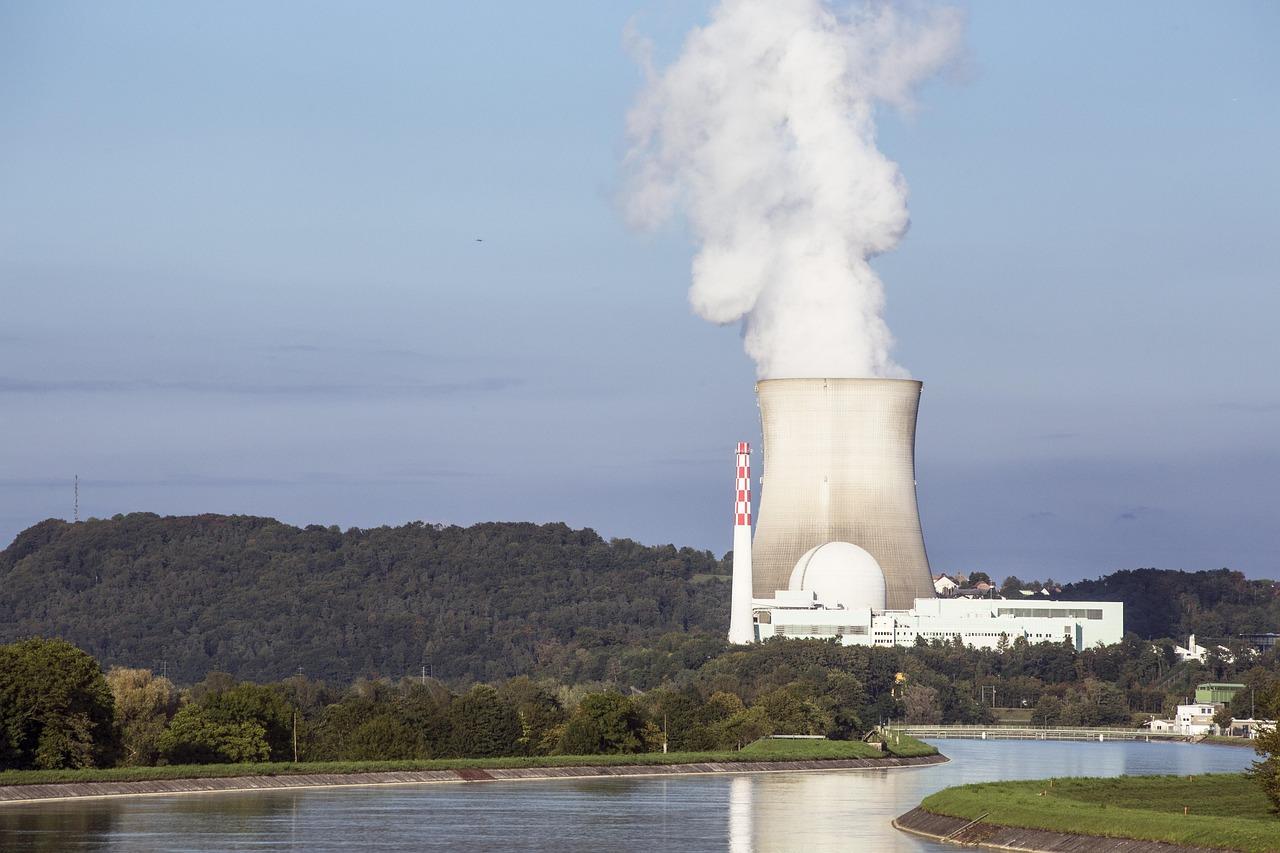
The external structure of a further extension to the Yongbyon enrichment facility has been finished, with the IAEA tracing the build from its start in mid-September 2026 to its completion by late October. Rafael Grossi, the agency's chief, delivered the finding in his opening statement at this week's Board of Governors meeting.
Construction timeline at Yongbyon
According to Grossi, work on a further extension to the original Yongbyon enrichment facility began in mid-September 2026, and the new extension stood externally complete by late-October 2026. He told the Board that the ongoing expansion of the DPRK's uranium enrichment programme remains a cause for serious concern.
Monitoring without access
The IAEA has been unable to verify activities on the ground directly: its inspectors have not had access to North Korea since 2009. Instead, the agency relies on satellite imagery and open sources to monitor the country's nuclear programme.
Believed enrichment sites and sanctions
North Korea is believed to operate uranium enrichment facilities at several sites, and it remains subject to multiple UN sanctions.
- •Yongbyon
- •Kangson
- •Kusong
Diplomatic backdrop
The report lands amid renewed diplomatic friction. In September, IAEA members expressed "growing concern" in a resolution passed at the agency's annual conference. Before that conference, Grossi reported that the IAEA had identified an additional uranium enrichment facility at Yongbyon - one that was purportedly decommissioned after talks but later reactivated in 2021.
Kim Yo Jong, the sister of North Korean leader Kim Jong-un, has called the country's nuclear-armed status absolute, calling those hoping for its denuclearisation "idiots" and dismissing the "familiar silly talk".
Meanwhile, US President Donald Trump has hinted at a possible meeting with North Korean leader Kim Jong-un this week while travelling to Asia. The IAEA continues to track the expansion through satellite imagery and open sources, with no inspector access in sight.