Monday, October 12, 2026

english

HAUT MONDE

POST

World

• Analysis

NATO Commander Grynkewich's Russia Warning Comes as EU Adds Almost 1,600 to Sanctions Blacklist and Kremlin Rejects Zelensky's 60-Day Ceasefire

The NATO commander Grynkewich's Russia warning that any attack would be 'utterly futile' came on a day the EU formally added almost 1,600 new individuals and entities to its sanctions blacklist, while the Kremlin rejected Ukrainian President Volodymyr Zelensky's proposed 60-day ceasefire to allow elections.

By Haut Monde Post

• October 12, 2026

• 5 Min Read
NATO Commander Grynkewich's Russia Warning Comes as EU Adds Almost 1,600 to Sanctions Blacklist and Kremlin Rejects Zelensky's 60-Day Ceasefire

The NATO commander Grynkewich's Russia warning that any assault on alliance territory would be 'utterly futile' landed on the same day the EU's newest sanctions package was adopted and Moscow turned down a truce tied to Ukrainian elections, leaving the war's diplomatic and economic fronts moving in opposite directions.

Largest sanctions expansion since the war began

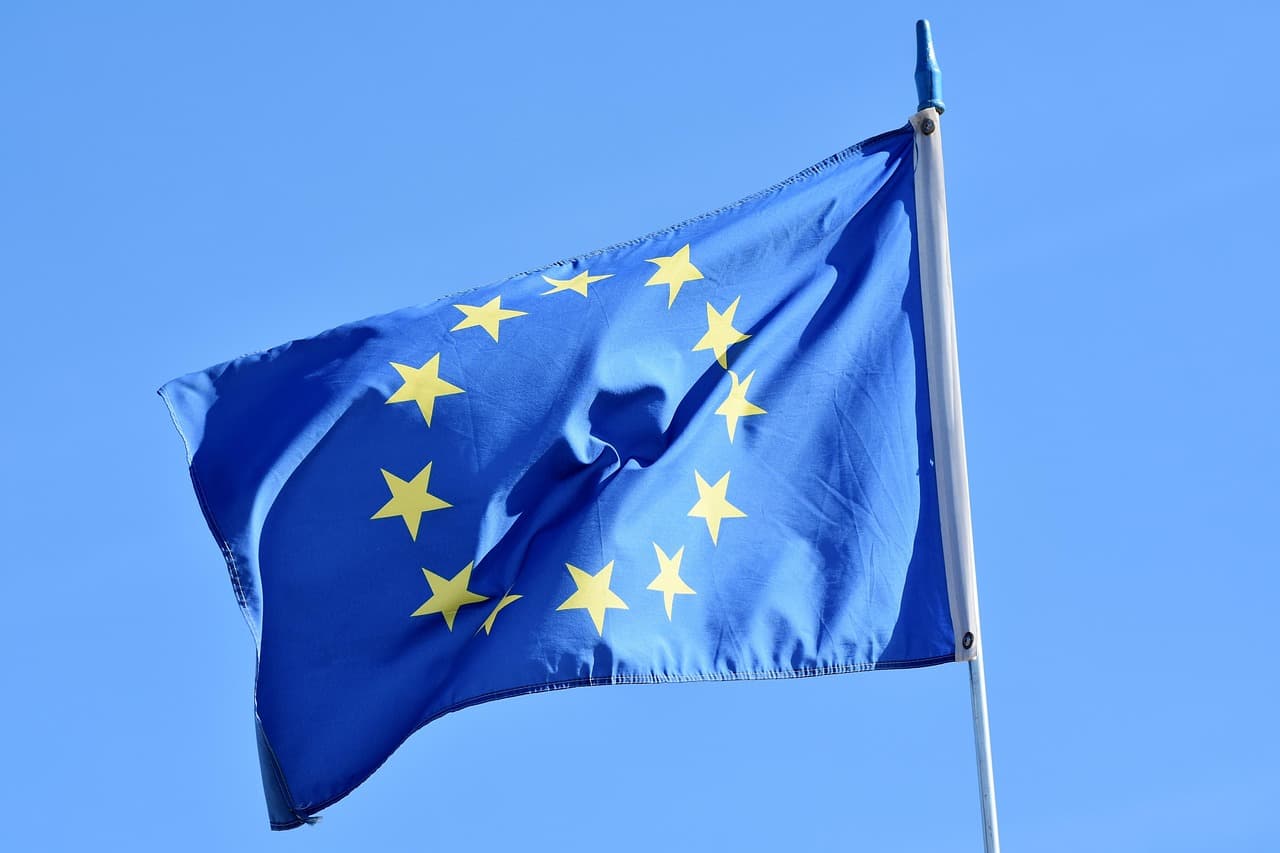
EU foreign policy chief Kaja Kallas announced that the bloc had on Monday formally added almost 1,600 new individuals and entities to its sanctions blacklist over Russia's war on Ukraine.

"This is the single largest expansion of our sanctions list since Russia started its war," Kallas said. More than half of the new entries are connected to the ballistic missile production chain, according to the EU's foreign policy chief.

European Union envoys had approved 1,646 new designations last week under the bloc's sanctions regime for Russia, diplomats said, most of them aimed at the military-industrial complex.

German Foreign Minister Johann Wadephul said the new European sanctions are making it more difficult for Putin to continue the war, adding that "the EU is adding more individuals and companies to its sanctions list than ever before – well over 1,600 in total".

Lithuanian Foreign Minister Kestutis Budrys went further, saying the EU should designate the Russian military intelligence agency GRU as a terrorist organisation.

Kremlin spurns 60-day ceasefire for elections

Ukrainian President Volodymyr Zelensky had proposed a 60-day total ceasefire to allow Ukraine to hold presidential elections. "Please tell Putin, give us two months, 60 days of total ceasefire, 60 days, and we will organise elections," he told ABC's 'This Week' on Sunday.

The Kremlin on Monday rejected the idea, saying it wanted an overall peace deal instead. Kremlin spokesman Dmitry Peskov said Russia does not want a ceasefire but long-term peace. "we do not want a ceasefire... We want long-term peace and are prepared to do everything possible to achieve it," Peskov said.

Peskov added that Putin would be ready to give an order not to launch strikes on Ukraine on election day, if Kyiv truly wanted to hold elections.

The dispute sits on contested legal ground: Russia has long pressed Ukraine to hold elections and says the failure to do so makes Zelensky an illegitimate leader, but elections in wartime are prohibited by Ukrainian law.

Trump's 'energy ceasefire' leaves Kyiv and allies guessing

US President Donald Trump unilaterally announced that an "energy ceasefire" had been agreed between Ukraine and Russia - an announcement that took Zelensky by surprise. Moscow has not confirmed that it has agreed to any ceasefire, and Trump's declaration seemed to catch Kyiv equally off guard.

Zelensky said he was seeking further details but that Ukraine backs the move. "Ukraine supports the ceasefire, and it is important that Russia support it as well," he said.

He set a clear condition: if Russia is to benefit from an end to long-range strikes on Russian oil refineries and exports, "then Russia must stop its strikes against our energy system and critical infrastructure and stop killing our people". He also warned that Ukraine would respond if Russia did not agree to the energy ceasefire.

Allied reactions questioned whether Moscow would comply:

  • •French President Emmanuel Macron said he had not noticed any energy truce on the Russian side, and that "the facts show Russia has continued to bomb energy infrastructure (in Ukraine) in the last hours".
  • •Macron said progress is only possible if there is a real truce on both sides.
  • •Kallas welcomed Trump's announcement but said she would prefer a truce which includes people not being killed. "We would call the US to get the sanctions in place so that we could actually finish the war," she said.
  • •Australia said it supports an energy ceasefire which is respected by Russia and contributes towards a just and lasting peace, on Ukraine's terms, urging Moscow to end its invasion.

Grynkewich: a Russian attack would be 'utterly futile'

Also on Monday, NATO's top commander, US Air Force General Alexus Grynkewich, said the alliance would "block, blunt and break" any Russian attack on its members' territory, making such an assault "utterly futile".

Outlining what he called his "theory of victory" at a security conference in Warsaw, Grynkewich warned that NATO would destroy "anything and everything" involved in any attack if Moscow was "foolish enough" to launch one. He stressed that NATO is "not seeking to impose a strategic defeat on our adversary" in responding to attacks, and said the alliance could match any enemy move up the escalation ladder.

Despite the hard language, the commander said he did not judge that a conflict with Russia was imminent or inevitable.

Strikes continue and oil slips

The fighting itself did not pause. Russia's defence ministry said its military struck a vessel it alleged was carrying "military cargo" to Ukraine's port of Odesa. Russian attacks on Kharkiv wounded at least 12 people, according to the city's mayor.

Markets moved on Trump's declaration: both main crude contracts sank more than one percent, and most stock markets rose on Monday.

Moscow has still not confirmed it agreed to any ceasefire, and Zelensky said Ukraine supports the announcement but Russia must back it too.


Monday, Oct 12, 2026

english

World

• Analysis

NATO Commander Grynkewich's Russia Warning Comes as EU Adds Almost 1,600 to Sanctions Blacklist and Kremlin Rejects Zelensky's 60-Day Ceasefire

The NATO commander Grynkewich's Russia warning that any attack would be 'utterly futile' came on a day the EU formally added almost 1,600 new individuals and entities to its sanctions blacklist, while the Kremlin rejected Ukrainian President Volodymyr Zelensky's proposed 60-day ceasefire to allow elections.

By Haut Monde Post

Oct 12, 2026 • 5 Min Read

NATO Commander Grynkewich's Russia Warning Comes as EU Adds Almost 1,600 to Sanctions Blacklist and Kremlin Rejects Zelensky's 60-Day Ceasefire

The NATO commander Grynkewich's Russia warning that any assault on alliance territory would be 'utterly futile' landed on the same day the EU's newest sanctions package was adopted and Moscow turned down a truce tied to Ukrainian elections, leaving the war's diplomatic and economic fronts moving in opposite directions.

Largest sanctions expansion since the war began

EU foreign policy chief Kaja Kallas announced that the bloc had on Monday formally added almost 1,600 new individuals and entities to its sanctions blacklist over Russia's war on Ukraine.

"This is the single largest expansion of our sanctions list since Russia started its war," Kallas said. More than half of the new entries are connected to the ballistic missile production chain, according to the EU's foreign policy chief.

European Union envoys had approved 1,646 new designations last week under the bloc's sanctions regime for Russia, diplomats said, most of them aimed at the military-industrial complex.

German Foreign Minister Johann Wadephul said the new European sanctions are making it more difficult for Putin to continue the war, adding that "the EU is adding more individuals and companies to its sanctions list than ever before – well over 1,600 in total".

Lithuanian Foreign Minister Kestutis Budrys went further, saying the EU should designate the Russian military intelligence agency GRU as a terrorist organisation.

Kremlin spurns 60-day ceasefire for elections

Ukrainian President Volodymyr Zelensky had proposed a 60-day total ceasefire to allow Ukraine to hold presidential elections. "Please tell Putin, give us two months, 60 days of total ceasefire, 60 days, and we will organise elections," he told ABC's 'This Week' on Sunday.

The Kremlin on Monday rejected the idea, saying it wanted an overall peace deal instead. Kremlin spokesman Dmitry Peskov said Russia does not want a ceasefire but long-term peace. "we do not want a ceasefire... We want long-term peace and are prepared to do everything possible to achieve it," Peskov said.

Peskov added that Putin would be ready to give an order not to launch strikes on Ukraine on election day, if Kyiv truly wanted to hold elections.

The dispute sits on contested legal ground: Russia has long pressed Ukraine to hold elections and says the failure to do so makes Zelensky an illegitimate leader, but elections in wartime are prohibited by Ukrainian law.

Trump's 'energy ceasefire' leaves Kyiv and allies guessing

US President Donald Trump unilaterally announced that an "energy ceasefire" had been agreed between Ukraine and Russia - an announcement that took Zelensky by surprise. Moscow has not confirmed that it has agreed to any ceasefire, and Trump's declaration seemed to catch Kyiv equally off guard.

Zelensky said he was seeking further details but that Ukraine backs the move. "Ukraine supports the ceasefire, and it is important that Russia support it as well," he said.

He set a clear condition: if Russia is to benefit from an end to long-range strikes on Russian oil refineries and exports, "then Russia must stop its strikes against our energy system and critical infrastructure and stop killing our people". He also warned that Ukraine would respond if Russia did not agree to the energy ceasefire.

Allied reactions questioned whether Moscow would comply:

  • •French President Emmanuel Macron said he had not noticed any energy truce on the Russian side, and that "the facts show Russia has continued to bomb energy infrastructure (in Ukraine) in the last hours".
  • •Macron said progress is only possible if there is a real truce on both sides.
  • •Kallas welcomed Trump's announcement but said she would prefer a truce which includes people not being killed. "We would call the US to get the sanctions in place so that we could actually finish the war," she said.
  • •Australia said it supports an energy ceasefire which is respected by Russia and contributes towards a just and lasting peace, on Ukraine's terms, urging Moscow to end its invasion.

Grynkewich: a Russian attack would be 'utterly futile'

Also on Monday, NATO's top commander, US Air Force General Alexus Grynkewich, said the alliance would "block, blunt and break" any Russian attack on its members' territory, making such an assault "utterly futile".

Outlining what he called his "theory of victory" at a security conference in Warsaw, Grynkewich warned that NATO would destroy "anything and everything" involved in any attack if Moscow was "foolish enough" to launch one. He stressed that NATO is "not seeking to impose a strategic defeat on our adversary" in responding to attacks, and said the alliance could match any enemy move up the escalation ladder.

Despite the hard language, the commander said he did not judge that a conflict with Russia was imminent or inevitable.

Strikes continue and oil slips

The fighting itself did not pause. Russia's defence ministry said its military struck a vessel it alleged was carrying "military cargo" to Ukraine's port of Odesa. Russian attacks on Kharkiv wounded at least 12 people, according to the city's mayor.

Markets moved on Trump's declaration: both main crude contracts sank more than one percent, and most stock markets rose on Monday.

Moscow has still not confirmed it agreed to any ceasefire, and Zelensky said Ukraine supports the announcement but Russia must back it too.

Monday, Oct 12, 2026

english

World

• Analysis

NATO Commander Grynkewich's Russia Warning Comes as EU Adds Almost 1,600 to Sanctions Blacklist and Kremlin Rejects Zelensky's 60-Day Ceasefire

The NATO commander Grynkewich's Russia warning that any attack would be 'utterly futile' came on a day the EU formally added almost 1,600 new individuals and entities to its sanctions blacklist, while the Kremlin rejected Ukrainian President Volodymyr Zelensky's proposed 60-day ceasefire to allow elections.

By Haut Monde Post

Oct 12, 2026 • 5 Min Read

NATO Commander Grynkewich's Russia Warning Comes as EU Adds Almost 1,600 to Sanctions Blacklist and Kremlin Rejects Zelensky's 60-Day Ceasefire

The NATO commander Grynkewich's Russia warning that any assault on alliance territory would be 'utterly futile' landed on the same day the EU's newest sanctions package was adopted and Moscow turned down a truce tied to Ukrainian elections, leaving the war's diplomatic and economic fronts moving in opposite directions.

Largest sanctions expansion since the war began

EU foreign policy chief Kaja Kallas announced that the bloc had on Monday formally added almost 1,600 new individuals and entities to its sanctions blacklist over Russia's war on Ukraine.

"This is the single largest expansion of our sanctions list since Russia started its war," Kallas said. More than half of the new entries are connected to the ballistic missile production chain, according to the EU's foreign policy chief.

European Union envoys had approved 1,646 new designations last week under the bloc's sanctions regime for Russia, diplomats said, most of them aimed at the military-industrial complex.

German Foreign Minister Johann Wadephul said the new European sanctions are making it more difficult for Putin to continue the war, adding that "the EU is adding more individuals and companies to its sanctions list than ever before – well over 1,600 in total".

Lithuanian Foreign Minister Kestutis Budrys went further, saying the EU should designate the Russian military intelligence agency GRU as a terrorist organisation.

Kremlin spurns 60-day ceasefire for elections

Ukrainian President Volodymyr Zelensky had proposed a 60-day total ceasefire to allow Ukraine to hold presidential elections. "Please tell Putin, give us two months, 60 days of total ceasefire, 60 days, and we will organise elections," he told ABC's 'This Week' on Sunday.

The Kremlin on Monday rejected the idea, saying it wanted an overall peace deal instead. Kremlin spokesman Dmitry Peskov said Russia does not want a ceasefire but long-term peace. "we do not want a ceasefire... We want long-term peace and are prepared to do everything possible to achieve it," Peskov said.

Peskov added that Putin would be ready to give an order not to launch strikes on Ukraine on election day, if Kyiv truly wanted to hold elections.

The dispute sits on contested legal ground: Russia has long pressed Ukraine to hold elections and says the failure to do so makes Zelensky an illegitimate leader, but elections in wartime are prohibited by Ukrainian law.

Trump's 'energy ceasefire' leaves Kyiv and allies guessing

US President Donald Trump unilaterally announced that an "energy ceasefire" had been agreed between Ukraine and Russia - an announcement that took Zelensky by surprise. Moscow has not confirmed that it has agreed to any ceasefire, and Trump's declaration seemed to catch Kyiv equally off guard.

Zelensky said he was seeking further details but that Ukraine backs the move. "Ukraine supports the ceasefire, and it is important that Russia support it as well," he said.

He set a clear condition: if Russia is to benefit from an end to long-range strikes on Russian oil refineries and exports, "then Russia must stop its strikes against our energy system and critical infrastructure and stop killing our people". He also warned that Ukraine would respond if Russia did not agree to the energy ceasefire.

Allied reactions questioned whether Moscow would comply:

  • •French President Emmanuel Macron said he had not noticed any energy truce on the Russian side, and that "the facts show Russia has continued to bomb energy infrastructure (in Ukraine) in the last hours".
  • •Macron said progress is only possible if there is a real truce on both sides.
  • •Kallas welcomed Trump's announcement but said she would prefer a truce which includes people not being killed. "We would call the US to get the sanctions in place so that we could actually finish the war," she said.
  • •Australia said it supports an energy ceasefire which is respected by Russia and contributes towards a just and lasting peace, on Ukraine's terms, urging Moscow to end its invasion.

Grynkewich: a Russian attack would be 'utterly futile'

Also on Monday, NATO's top commander, US Air Force General Alexus Grynkewich, said the alliance would "block, blunt and break" any Russian attack on its members' territory, making such an assault "utterly futile".

Outlining what he called his "theory of victory" at a security conference in Warsaw, Grynkewich warned that NATO would destroy "anything and everything" involved in any attack if Moscow was "foolish enough" to launch one. He stressed that NATO is "not seeking to impose a strategic defeat on our adversary" in responding to attacks, and said the alliance could match any enemy move up the escalation ladder.

Despite the hard language, the commander said he did not judge that a conflict with Russia was imminent or inevitable.

Strikes continue and oil slips

The fighting itself did not pause. Russia's defence ministry said its military struck a vessel it alleged was carrying "military cargo" to Ukraine's port of Odesa. Russian attacks on Kharkiv wounded at least 12 people, according to the city's mayor.

Markets moved on Trump's declaration: both main crude contracts sank more than one percent, and most stock markets rose on Monday.

Moscow has still not confirmed it agreed to any ceasefire, and Zelensky said Ukraine supports the announcement but Russia must back it too.