Friday, November 20, 2026

english

HAUT MONDE

POST

World

• Analysis

Mary Peltola Senate Win Makes Her First Alaska Native in the US Senate

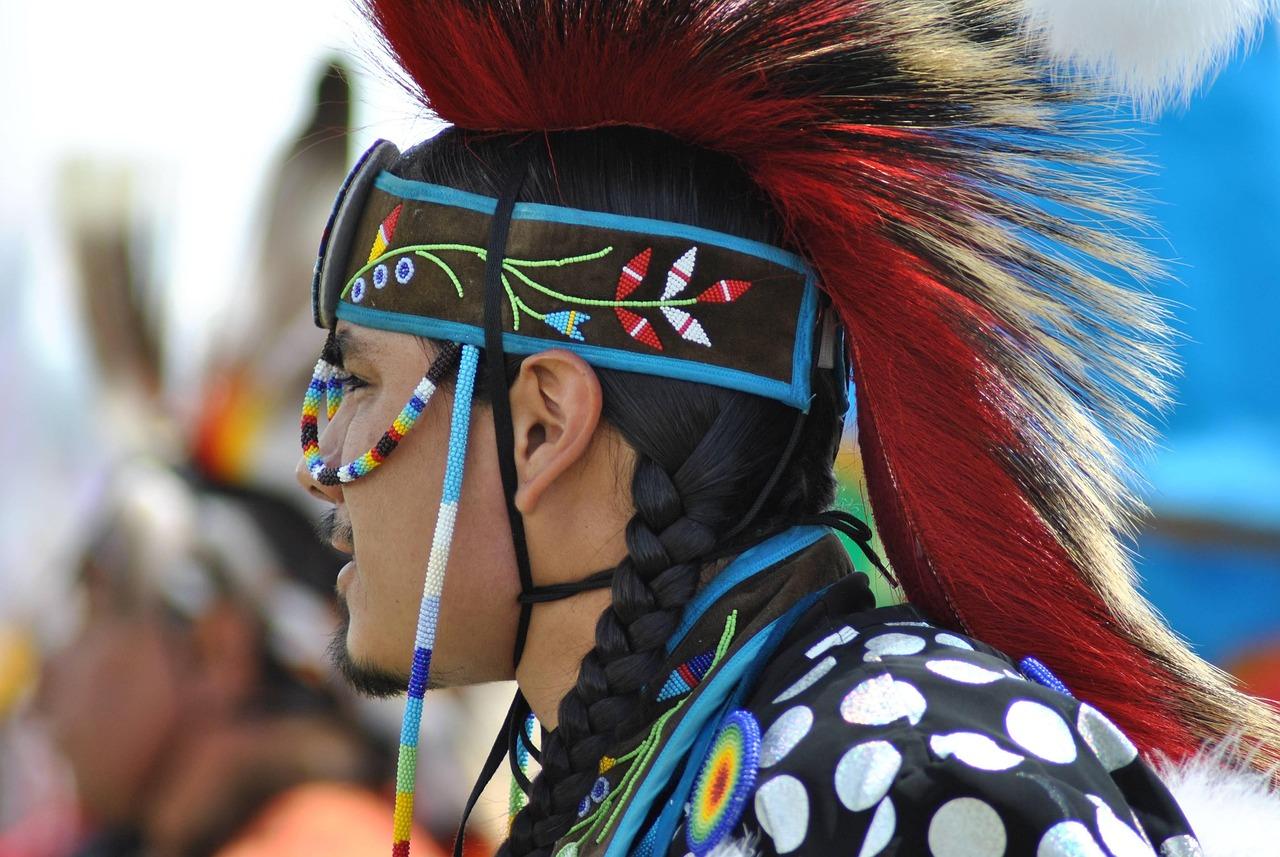
Democrat Mary Peltola was declared winner of Alaska's US Senate race on Tuesday, two weeks after the midterm elections, once the count was completed. She becomes the first Alaska Native to take a seat in the Senate.
By Haut Monde Post

• November 18, 2026

• 5 Min Read

Mary Peltola Senate Win Makes Her First Alaska Native in the US Senate

The mary peltola senate win was settled on Tuesday, two weeks after the midterm elections, when the count was finally completed and the Democrat was declared winner. She had taken the stage in a Sheraton Hotel ballroom in Anchorage late on 3 November. With the result comes a historic first: she will be the first Alaska Native to sit in the US Senate.

'Aarigaa!' in Anchorage

Late into the night, a volunteer shouted a word that carried far beyond the ballroom. Peltola asked the crowd to join her, and the room answered: "Aarigaa! Can we just chant aarigaa? Aarigaa! Aarigaa!"

The word is Iñupiaq, understood across Alaska's 229 federally recognised tribes, and roughly means "Way to go!". Ana Hoffman, a lifelong friend of Peltola's, said the chant summed up the campaign.

"Aarigaa! It demonstrated through language what her campaign is all about: inclusion, representation, identity."

A First for Native Representation

The result also reshapes the Senate arithmetic, giving Democrats 56 seats to Republicans' 44 and comfortable control of the upper chamber. For Native representation, the numbers are stark:

  • •Seven Native people will serve simultaneously in Congress, the first time that has happened: representatives Josh Brecheen and Tom Cole of Oklahoma, Sharice Davids of Kansas, Sean McCann of Michigan and Claire Valdez of New York, plus senators Peggy Flanagan of Minnesota and Peltola of Alaska.
  • •Since Congress convened 237 years ago, more than 20,000 House and Senate seats have been filled. Only 29 have been held by Native Americans.

Alaska itself is home to about 40% of all federally recognized tribes in the US, and about one in five Alaska voters is Indigenous, the largest proportion of any state. Sonja Castañeda Dower, a congressional fellow with the American Political Science Association, said Alaska Natives have long played pivotal roles in decisions on land, resources and development, yet their centrality still surprises many Americans.

A Yup'ik Campaign From Bethel

Peltola is a Yup'ik Alaskan from Bethel, a town of fewer than 7,000 people that serves as the hub of 56 villages along the Yukon and Kuskokwim rivers. Her Yup'ik name is Akalleq, meaning "the one who rolled"; her mother was from Kwethluk, and her German American father came from Nebraska to work as a pilot. She began fishing the Kuskokwim river with him at age six.

The campaign reflected that background at every turn:

  • •She travelled by floatplane, four-wheeler and snowmachine, appearing in more than 50 communities, some with fewer than 300 residents.
  • •She wore mukluk boots and kuspuk shirts, and her circular campaign logo was modelled on the Yup'ik eye.
  • •The official mantra was "Fish, family, freedom."

Elise Blasingame, a political scientist at Emory University and an Osage Nation citizen, said Peltola leaned into her Yup'ik identity as a qualification for advancing policies with broad appeal.

Fish, Family, Freedom

The salmon ran through the middle of the race. Peltola noted that about 80% of the traditional Yup'ik diet is fish, roughly half of it salmon, and put it simply: "Our generic word for fish is the generic word for food. Neqa."

The decline of chinook, or king, salmon catches along the Kuskokwim river - driven in part by the climate crisis and over-trawling in the Bering Sea - is an existential challenge for Alaska Native tribes. Hoffman, president of the Native Corporation in Peltola's home town of Bethel in western Alaska, was blunt about the stakes: "Fish, and our access to them, are the reason our communities exist."

The issue has wider reach: Alaska accounts for about 60% of all wild seafood harvested in the US, a resource critical to the state's 740,000 residents. Peltola charged that her rival, incumbent Republican senator Dan Sullivan, was selling out the people in favor of big trawler companies.

Affordability formed the other pillar of her case, hammered like Democrats across the country. In the most isolated parts of Alaska, a gallon of milk can cost as much as $21, with grocery prices high amid Donald Trump's war with Iran.

Hoffman credited that breadth: "That's the beauty about Mary, that she understood the universality of who we are as Alaskans."

What the Victory Means

Hoffman said the win would uplift a people "who have been marginalized and underrepresented throughout generations." Looking ahead to the chamber, she added: "'Alaska Native' will no longer be a concept in the Senate, it will be a colleague."

Anecdotal evidence suggests a surge in Alaska Native turnout contributed to Sullivan's loss, though detailed figures are not yet available. In her election night speech, Peltola name-checked Susan Murphy, 85, a fellow Yup'ik resident of Bethel. Murphy recalled that on 26 August 1958, when she was 17 and Bethel had only about 500 residents, a similar proportion of the town turned out to vote for Alaska statehood as the 49th state.

Asked what Peltola's win meant to her, Murphy answered: "It is important, of course it is. It is a start."

Peltola takes her Senate seat in January with the new intake. She won Alaska's only House seat in 2022 and lost it two years later to the Republican Nick Begich.
HAUT MONDE POST

Independent journalism of the highest standard. A chronicle of world culture, politics, arts, and public thought.

Publication

AboutEditorial

Newsletter

Get the best Haut Monde Post content delivered to your inbox every week.

© 2026 Haut Monde Post. All rights reserved. Digital edition hautmondepost.com.

Friday, Nov 20, 2026

english

World

• Analysis

Mary Peltola Senate Win Makes Her First Alaska Native in the US Senate

Democrat Mary Peltola was declared winner of Alaska's US Senate race on Tuesday, two weeks after the midterm elections, once the count was completed. She becomes the first Alaska Native to take a seat in the Senate.

By Haut Monde Post

Nov 18, 2026 • 5 Min Read
Mary Peltola Senate Win Makes Her First Alaska Native in the US Senate

The mary peltola senate win was settled on Tuesday, two weeks after the midterm elections, when the count was finally completed and the Democrat was declared winner. She had taken the stage in a Sheraton Hotel ballroom in Anchorage late on 3 November. With the result comes a historic first: she will be the first Alaska Native to sit in the US Senate.

'Aarigaa!' in Anchorage

Late into the night, a volunteer shouted a word that carried far beyond the ballroom. Peltola asked the crowd to join her, and the room answered: "Aarigaa! Can we just chant aarigaa? Aarigaa! Aarigaa!"

The word is Iñupiaq, understood across Alaska's 229 federally recognised tribes, and roughly means "Way to go!". Ana Hoffman, a lifelong friend of Peltola's, said the chant summed up the campaign.

"Aarigaa! It demonstrated through language what her campaign is all about: inclusion, representation, identity."

A First for Native Representation

The result also reshapes the Senate arithmetic, giving Democrats 56 seats to Republicans' 44 and comfortable control of the upper chamber. For Native representation, the numbers are stark:

  • •Seven Native people will serve simultaneously in Congress, the first time that has happened: representatives Josh Brecheen and Tom Cole of Oklahoma, Sharice Davids of Kansas, Sean McCann of Michigan and Claire Valdez of New York, plus senators Peggy Flanagan of Minnesota and Peltola of Alaska.
  • •Since Congress convened 237 years ago, more than 20,000 House and Senate seats have been filled. Only 29 have been held by Native Americans.

Alaska itself is home to about 40% of all federally recognized tribes in the US, and about one in five Alaska voters is Indigenous, the largest proportion of any state. Sonja Castañeda Dower, a congressional fellow with the American Political Science Association, said Alaska Natives have long played pivotal roles in decisions on land, resources and development, yet their centrality still surprises many Americans.

A Yup'ik Campaign From Bethel

Peltola is a Yup'ik Alaskan from Bethel, a town of fewer than 7,000 people that serves as the hub of 56 villages along the Yukon and Kuskokwim rivers. Her Yup'ik name is Akalleq, meaning "the one who rolled"; her mother was from Kwethluk, and her German American father came from Nebraska to work as a pilot. She began fishing the Kuskokwim river with him at age six.

The campaign reflected that background at every turn:

  • •She travelled by floatplane, four-wheeler and snowmachine, appearing in more than 50 communities, some with fewer than 300 residents.
  • •She wore mukluk boots and kuspuk shirts, and her circular campaign logo was modelled on the Yup'ik eye.
  • •The official mantra was "Fish, family, freedom."

Elise Blasingame, a political scientist at Emory University and an Osage Nation citizen, said Peltola leaned into her Yup'ik identity as a qualification for advancing policies with broad appeal.

Fish, Family, Freedom

The salmon ran through the middle of the race. Peltola noted that about 80% of the traditional Yup'ik diet is fish, roughly half of it salmon, and put it simply: "Our generic word for fish is the generic word for food. Neqa."

The decline of chinook, or king, salmon catches along the Kuskokwim river - driven in part by the climate crisis and over-trawling in the Bering Sea - is an existential challenge for Alaska Native tribes. Hoffman, president of the Native Corporation in Peltola's home town of Bethel in western Alaska, was blunt about the stakes: "Fish, and our access to them, are the reason our communities exist."

The issue has wider reach: Alaska accounts for about 60% of all wild seafood harvested in the US, a resource critical to the state's 740,000 residents. Peltola charged that her rival, incumbent Republican senator Dan Sullivan, was selling out the people in favor of big trawler companies.

Affordability formed the other pillar of her case, hammered like Democrats across the country. In the most isolated parts of Alaska, a gallon of milk can cost as much as $21, with grocery prices high amid Donald Trump's war with Iran.

Hoffman credited that breadth: "That's the beauty about Mary, that she understood the universality of who we are as Alaskans."

What the Victory Means

Hoffman said the win would uplift a people "who have been marginalized and underrepresented throughout generations." Looking ahead to the chamber, she added: "'Alaska Native' will no longer be a concept in the Senate, it will be a colleague."

Anecdotal evidence suggests a surge in Alaska Native turnout contributed to Sullivan's loss, though detailed figures are not yet available. In her election night speech, Peltola name-checked Susan Murphy, 85, a fellow Yup'ik resident of Bethel. Murphy recalled that on 26 August 1958, when she was 17 and Bethel had only about 500 residents, a similar proportion of the town turned out to vote for Alaska statehood as the 49th state.

Asked what Peltola's win meant to her, Murphy answered: "It is important, of course it is. It is a start."

Peltola takes her Senate seat in January with the new intake. She won Alaska's only House seat in 2022 and lost it two years later to the Republican Nick Begich.

HAUT MONDE POST

Independent journalism of the highest standard. A chronicle of world culture, politics, arts, and public thought. Published and printed daily in Paris, France.

Publication

AboutEditorial

Newsletter

Get the best Haut Monde Post content delivered to your inbox every week.

© 2026 Haut Monde Post. All rights reserved. Digital edition hautmondepost.com. Published in Paris.

Friday, Nov 20, 2026

english

World

• Analysis

Mary Peltola Senate Win Makes Her First Alaska Native in the US Senate

Democrat Mary Peltola was declared winner of Alaska's US Senate race on Tuesday, two weeks after the midterm elections, once the count was completed. She becomes the first Alaska Native to take a seat in the Senate.

By Haut Monde Post

Mary Peltola Senate Win Makes Her First Alaska Native in the US Senate

The mary peltola senate win was settled on Tuesday, two weeks after the midterm elections, when the count was finally completed and the Democrat was declared winner. She had taken the stage in a Sheraton Hotel ballroom in Anchorage late on 3 November. With the result comes a historic first: she will be the first Alaska Native to sit in the US Senate.

'Aarigaa!' in Anchorage

Late into the night, a volunteer shouted a word that carried far beyond the ballroom. Peltola asked the crowd to join her, and the room answered: "Aarigaa! Can we just chant aarigaa? Aarigaa! Aarigaa!"

The word is Iñupiaq, understood across Alaska's 229 federally recognised tribes, and roughly means "Way to go!". Ana Hoffman, a lifelong friend of Peltola's, said the chant summed up the campaign.

"Aarigaa! It demonstrated through language what her campaign is all about: inclusion, representation, identity."

A First for Native Representation

The result also reshapes the Senate arithmetic, giving Democrats 56 seats to Republicans' 44 and comfortable control of the upper chamber. For Native representation, the numbers are stark:

  • •Seven Native people will serve simultaneously in Congress, the first time that has happened: representatives Josh Brecheen and Tom Cole of Oklahoma, Sharice Davids of Kansas, Sean McCann of Michigan and Claire Valdez of New York, plus senators Peggy Flanagan of Minnesota and Peltola of Alaska.
  • •Since Congress convened 237 years ago, more than 20,000 House and Senate seats have been filled. Only 29 have been held by Native Americans.

Alaska itself is home to about 40% of all federally recognized tribes in the US, and about one in five Alaska voters is Indigenous, the largest proportion of any state. Sonja Castañeda Dower, a congressional fellow with the American Political Science Association, said Alaska Natives have long played pivotal roles in decisions on land, resources and development, yet their centrality still surprises many Americans.

A Yup'ik Campaign From Bethel

Peltola is a Yup'ik Alaskan from Bethel, a town of fewer than 7,000 people that serves as the hub of 56 villages along the Yukon and Kuskokwim rivers. Her Yup'ik name is Akalleq, meaning "the one who rolled"; her mother was from Kwethluk, and her German American father came from Nebraska to work as a pilot. She began fishing the Kuskokwim river with him at age six.

The campaign reflected that background at every turn:

  • •She travelled by floatplane, four-wheeler and snowmachine, appearing in more than 50 communities, some with fewer than 300 residents.
  • •She wore mukluk boots and kuspuk shirts, and her circular campaign logo was modelled on the Yup'ik eye.
  • •The official mantra was "Fish, family, freedom."

Elise Blasingame, a political scientist at Emory University and an Osage Nation citizen, said Peltola leaned into her Yup'ik identity as a qualification for advancing policies with broad appeal.

Fish, Family, Freedom

The salmon ran through the middle of the race. Peltola noted that about 80% of the traditional Yup'ik diet is fish, roughly half of it salmon, and put it simply: "Our generic word for fish is the generic word for food. Neqa."

The decline of chinook, or king, salmon catches along the Kuskokwim river - driven in part by the climate crisis and over-trawling in the Bering Sea - is an existential challenge for Alaska Native tribes. Hoffman, president of the Native Corporation in Peltola's home town of Bethel in western Alaska, was blunt about the stakes: "Fish, and our access to them, are the reason our communities exist."

The issue has wider reach: Alaska accounts for about 60% of all wild seafood harvested in the US, a resource critical to the state's 740,000 residents. Peltola charged that her rival, incumbent Republican senator Dan Sullivan, was selling out the people in favor of big trawler companies.

Affordability formed the other pillar of her case, hammered like Democrats across the country. In the most isolated parts of Alaska, a gallon of milk can cost as much as $21, with grocery prices high amid Donald Trump's war with Iran.

Hoffman credited that breadth: "That's the beauty about Mary, that she understood the universality of who we are as Alaskans."

What the Victory Means

Hoffman said the win would uplift a people "who have been marginalized and underrepresented throughout generations." Looking ahead to the chamber, she added: "'Alaska Native' will no longer be a concept in the Senate, it will be a colleague."

Anecdotal evidence suggests a surge in Alaska Native turnout contributed to Sullivan's loss, though detailed figures are not yet available. In her election night speech, Peltola name-checked Susan Murphy, 85, a fellow Yup'ik resident of Bethel. Murphy recalled that on 26 August 1958, when she was 17 and Bethel had only about 500 residents, a similar proportion of the town turned out to vote for Alaska statehood as the 49th state.

Asked what Peltola's win meant to her, Murphy answered: "It is important, of course it is. It is a start."

Peltola takes her Senate seat in January with the new intake. She won Alaska's only House seat in 2022 and lost it two years later to the Republican Nick Begich.