Monday, October 26, 2026

english

HAUT MONDE

POST

World

• Analysis

Lula Re-election Sealed as Brazil's President Beats Flavio Bolsonaro in Runoff

Brazilian President Luiz Inacio Lula da Silva won the country's presidential runoff on October 25, 2026, defeating right-wing Senator Flavio Bolsonaro with 51.76% of the vote to 48.24%, according to the Superior Electoral Court. It is his fourth non-consecutive term.

By Haut Monde Post

• October 26, 2026

• 4 Min Read
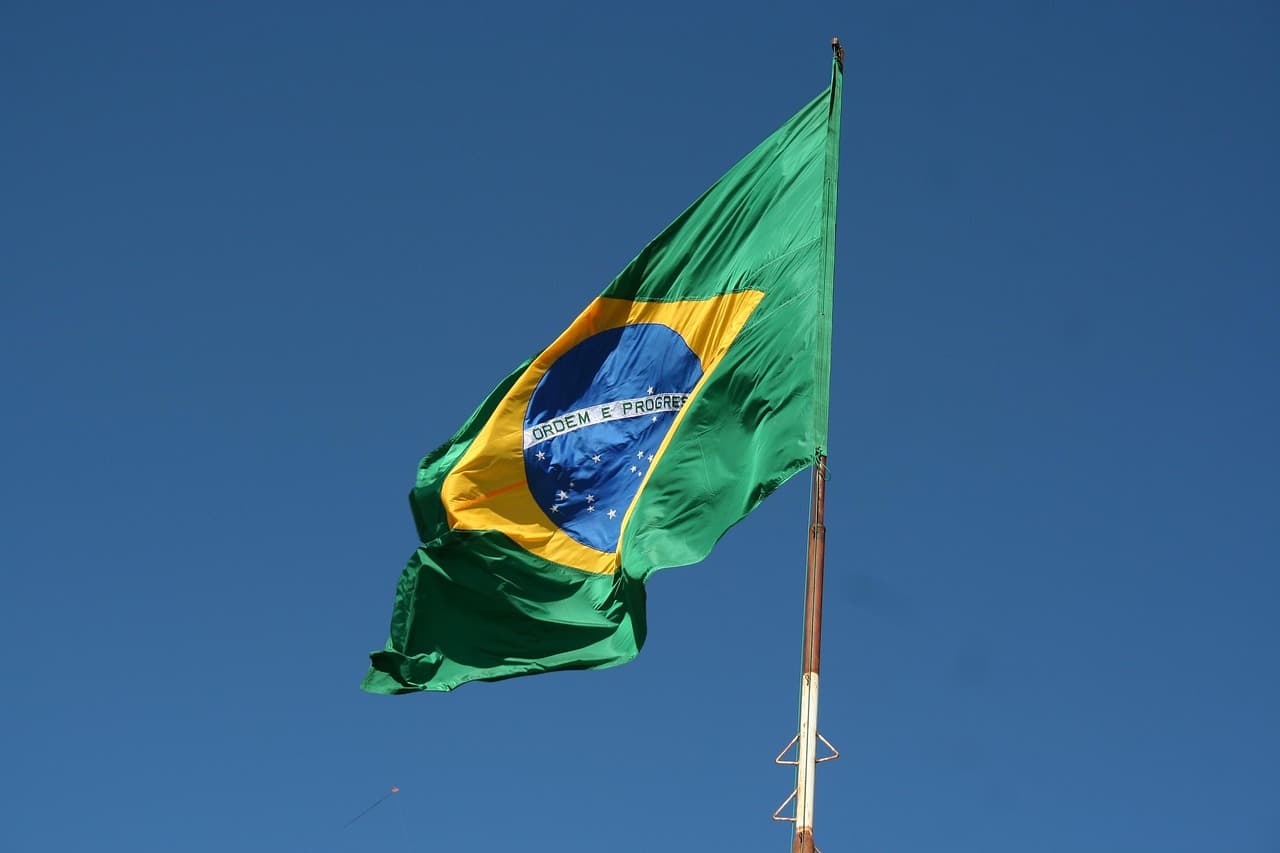
Lula Re-election Sealed as Brazil's President Beats Flavio Bolsonaro in Runoff

From First-Round Loss to Comeback Win

President Luiz Inacio Lula da Silva's re-election is now official: the Superior Electoral Court's count puts him at 51.76% against Senator Flavio Bolsonaro's 48.24%, completing a comeback few electoral precedents allowed. Three weeks earlier, the result looked reversed. In the October 4 first round, Flavio Bolsonaro took 47% of the vote to the incumbent's 45%, forcing the runoff.

What followed is without precedent in the country's democratic era: this is the first time since the return of democracy in Brazil that a candidate who lost the first round has come back to win the runoff. The lula da silva election win delivers a fourth non-consecutive term, a contest Lula framed as his final battle.

The regional map that divided the first round held to the end. Northern states backed the outgoing left-wing president, while those in the south supported his far-right rival.

How the Count Turned

The brazil election results shifted steadily as ballots were tallied. Flavio Bolsonaro led from the earliest partial counts, and for a stretch the brazil presidential runoff looked set to change hands.

  • •From 13% of votes counted, Flavio Bolsonaro was ahead, at one point holding 50.04%.
  • •With 20% tallied, the senator led 50.41% to 49.59%.
  • •At 70% counted, the margin had flipped: Lula stood at 50.92% against Bolsonaro's 49.08%.

The president's digital operation was part of the machinery behind the swing: his WhatsApp channel, dubbed "Lula's Army", counts 8.5 million subscribers. As the count favored him, AtlasIntel chief executive Andrei Roman told Reuters he predicted Lula would be re-elected.

Court-Ordered Two-Hour Voting Extension

Before the results, the vote itself was disrupted. Supreme Court Justice Cristiano Zanin ordered voting in the runoff extended by two hours, until 7:00 p.m. Brasilia time, on October 25. The ruling granted a request from Lula's campaign; a similar petition filed with the Superior Electoral Court was left undecided.

The order arrived at around 5:00 p.m. Brasilia time, when polling stations had been due to close and some had already shut, causing confusion. The electoral court said voting would continue only in locations where it had not concluded by 5 p.m., and paused the count while the question was resolved.

Both camps had gone to court over transport. Lula's Workers' Party asked the electoral court to extend voting until 7 p.m. in cities including Salvador, Rio de Janeiro and São Paulo, alleging transportation delays and a lack of buses to reach polling stations. Bolsonaro's Liberal Party, submitting its request to TSE president Kassio Nunes Marques, sought a two-hour extension in 17 municipalities across São Paulo, Paraná and Santa Catarina, attributing the delays to rains and flooding affecting those states.

In Salvador, the dispute turned criminal. An electoral judge in Bahia ordered the arrest of the city's mobility secretary after at least 75 public buses were prevented from leaving municipal garages during the runoff vote. Salvador Mayor Bruno Reis, an ally of Flavio Bolsonaro, blamed trade unionists for illegally sticking Workers' Party materials onto transit vehicles.

Reaction and What Was at Stake

The two rivals had set out their closing messages on X before the vote. Lula reached for a collective theme, telling followers that walking together makes no dream too big, while Flavio Bolsonaro's post invoked the will of God and the Brazilian people and called for bridges rather than walls.

In Washington, the Brazilian vote drew little commitment from the White House. Asked about the runoff while leaving for the weekend, the US president kept his distance:

"I don't want to get into that."

US President Donald Trump told journalists he preferred not to weigh in, adding "We are watching," according to an AP report. Flavio Bolsonaro is the son of former president Jair Bolsonaro, and Sunday's ballot paired the presidential face-off with six gubernatorial races.

The stakes were continental in scale. Brazil is Latin America's most populous country and its largest economy, and while a Bolsonaro victory would likely have drawn Brazil closer to Washington, the lula re-election leaves Brazil and Mexico with left-of-centre leaders. Trump-allied candidates had already won recent elections in Colombia, Argentina and Peru.

The Final Count

The Superior Electoral Court's official brazil election results stand at 51.76% for Lula to 48.24% for Flavio Bolsonaro, confirming the president's fourth non-consecutive term.
HAUT MONDE POST

Independent journalism of the highest standard. A chronicle of world culture, politics, arts, and public thought.

Publication

AboutEditorial

Newsletter

Get the best Haut Monde Post content delivered to your inbox every week.

© 2026 Haut Monde Post. All rights reserved. Digital edition hautmondepost.com.

Monday, Oct 26, 2026

english

World

• Analysis

Lula Re-election Sealed as Brazil's President Beats Flavio Bolsonaro in Runoff

Brazilian President Luiz Inacio Lula da Silva won the country's presidential runoff on October 25, 2026, defeating right-wing Senator Flavio Bolsonaro with 51.76% of the vote to 48.24%, according to the Superior Electoral Court. It is his fourth non-consecutive term.

By Haut Monde Post

Oct 26, 2026 • 4 Min Read

Lula Re-election Sealed as Brazil's President Beats Flavio Bolsonaro in Runoff

From First-Round Loss to Comeback Win

President Luiz Inacio Lula da Silva's re-election is now official: the Superior Electoral Court's count puts him at 51.76% against Senator Flavio Bolsonaro's 48.24%, completing a comeback few electoral precedents allowed. Three weeks earlier, the result looked reversed. In the October 4 first round, Flavio Bolsonaro took 47% of the vote to the incumbent's 45%, forcing the runoff.

What followed is without precedent in the country's democratic era: this is the first time since the return of democracy in Brazil that a candidate who lost the first round has come back to win the runoff. The lula da silva election win delivers a fourth non-consecutive term, a contest Lula framed as his final battle.

The regional map that divided the first round held to the end. Northern states backed the outgoing left-wing president, while those in the south supported his far-right rival.

How the Count Turned

The brazil election results shifted steadily as ballots were tallied. Flavio Bolsonaro led from the earliest partial counts, and for a stretch the brazil presidential runoff looked set to change hands.

  • •From 13% of votes counted, Flavio Bolsonaro was ahead, at one point holding 50.04%.
  • •With 20% tallied, the senator led 50.41% to 49.59%.
  • •At 70% counted, the margin had flipped: Lula stood at 50.92% against Bolsonaro's 49.08%.

The president's digital operation was part of the machinery behind the swing: his WhatsApp channel, dubbed "Lula's Army", counts 8.5 million subscribers. As the count favored him, AtlasIntel chief executive Andrei Roman told Reuters he predicted Lula would be re-elected.

Court-Ordered Two-Hour Voting Extension

Before the results, the vote itself was disrupted. Supreme Court Justice Cristiano Zanin ordered voting in the runoff extended by two hours, until 7:00 p.m. Brasilia time, on October 25. The ruling granted a request from Lula's campaign; a similar petition filed with the Superior Electoral Court was left undecided.

The order arrived at around 5:00 p.m. Brasilia time, when polling stations had been due to close and some had already shut, causing confusion. The electoral court said voting would continue only in locations where it had not concluded by 5 p.m., and paused the count while the question was resolved.

Both camps had gone to court over transport. Lula's Workers' Party asked the electoral court to extend voting until 7 p.m. in cities including Salvador, Rio de Janeiro and São Paulo, alleging transportation delays and a lack of buses to reach polling stations. Bolsonaro's Liberal Party, submitting its request to TSE president Kassio Nunes Marques, sought a two-hour extension in 17 municipalities across São Paulo, Paraná and Santa Catarina, attributing the delays to rains and flooding affecting those states.

In Salvador, the dispute turned criminal. An electoral judge in Bahia ordered the arrest of the city's mobility secretary after at least 75 public buses were prevented from leaving municipal garages during the runoff vote. Salvador Mayor Bruno Reis, an ally of Flavio Bolsonaro, blamed trade unionists for illegally sticking Workers' Party materials onto transit vehicles.

Reaction and What Was at Stake

The two rivals had set out their closing messages on X before the vote. Lula reached for a collective theme, telling followers that walking together makes no dream too big, while Flavio Bolsonaro's post invoked the will of God and the Brazilian people and called for bridges rather than walls.

In Washington, the Brazilian vote drew little commitment from the White House. Asked about the runoff while leaving for the weekend, the US president kept his distance:

"I don't want to get into that."

US President Donald Trump told journalists he preferred not to weigh in, adding "We are watching," according to an AP report. Flavio Bolsonaro is the son of former president Jair Bolsonaro, and Sunday's ballot paired the presidential face-off with six gubernatorial races.

The stakes were continental in scale. Brazil is Latin America's most populous country and its largest economy, and while a Bolsonaro victory would likely have drawn Brazil closer to Washington, the lula re-election leaves Brazil and Mexico with left-of-centre leaders. Trump-allied candidates had already won recent elections in Colombia, Argentina and Peru.

The Final Count

The Superior Electoral Court's official brazil election results stand at 51.76% for Lula to 48.24% for Flavio Bolsonaro, confirming the president's fourth non-consecutive term.
HAUT MONDE POST

Independent journalism of the highest standard. A chronicle of world culture, politics, arts, and public thought. Published and printed daily in Paris, France.

Publication

AboutEditorial

Newsletter

Get the best Haut Monde Post content delivered to your inbox every week.

© 2026 Haut Monde Post. All rights reserved. Digital edition hautmondepost.com. Published in Paris.

Monday, Oct 26, 2026

english

World

• Analysis

Lula Re-election Sealed as Brazil's President Beats Flavio Bolsonaro in Runoff

Brazilian President Luiz Inacio Lula da Silva won the country's presidential runoff on October 25, 2026, defeating right-wing Senator Flavio Bolsonaro with 51.76% of the vote to 48.24%, according to the Superior Electoral Court. It is his fourth non-consecutive term.

By Haut Monde Post

Oct 26, 2026 • 4 Min Read

Lula Re-election Sealed as Brazil's President Beats Flavio Bolsonaro in Runoff

From First-Round Loss to Comeback Win

President Luiz Inacio Lula da Silva's re-election is now official: the Superior Electoral Court's count puts him at 51.76% against Senator Flavio Bolsonaro's 48.24%, completing a comeback few electoral precedents allowed. Three weeks earlier, the result looked reversed. In the October 4 first round, Flavio Bolsonaro took 47% of the vote to the incumbent's 45%, forcing the runoff.

What followed is without precedent in the country's democratic era: this is the first time since the return of democracy in Brazil that a candidate who lost the first round has come back to win the runoff. The lula da silva election win delivers a fourth non-consecutive term, a contest Lula framed as his final battle.

The regional map that divided the first round held to the end. Northern states backed the outgoing left-wing president, while those in the south supported his far-right rival.

How the Count Turned

The brazil election results shifted steadily as ballots were tallied. Flavio Bolsonaro led from the earliest partial counts, and for a stretch the brazil presidential runoff looked set to change hands.

  • •From 13% of votes counted, Flavio Bolsonaro was ahead, at one point holding 50.04%.
  • •With 20% tallied, the senator led 50.41% to 49.59%.
  • •At 70% counted, the margin had flipped: Lula stood at 50.92% against Bolsonaro's 49.08%.

The president's digital operation was part of the machinery behind the swing: his WhatsApp channel, dubbed "Lula's Army", counts 8.5 million subscribers. As the count favored him, AtlasIntel chief executive Andrei Roman told Reuters he predicted Lula would be re-elected.

Court-Ordered Two-Hour Voting Extension

Before the results, the vote itself was disrupted. Supreme Court Justice Cristiano Zanin ordered voting in the runoff extended by two hours, until 7:00 p.m. Brasilia time, on October 25. The ruling granted a request from Lula's campaign; a similar petition filed with the Superior Electoral Court was left undecided.

The order arrived at around 5:00 p.m. Brasilia time, when polling stations had been due to close and some had already shut, causing confusion. The electoral court said voting would continue only in locations where it had not concluded by 5 p.m., and paused the count while the question was resolved.

Both camps had gone to court over transport. Lula's Workers' Party asked the electoral court to extend voting until 7 p.m. in cities including Salvador, Rio de Janeiro and São Paulo, alleging transportation delays and a lack of buses to reach polling stations. Bolsonaro's Liberal Party, submitting its request to TSE president Kassio Nunes Marques, sought a two-hour extension in 17 municipalities across São Paulo, Paraná and Santa Catarina, attributing the delays to rains and flooding affecting those states.

In Salvador, the dispute turned criminal. An electoral judge in Bahia ordered the arrest of the city's mobility secretary after at least 75 public buses were prevented from leaving municipal garages during the runoff vote. Salvador Mayor Bruno Reis, an ally of Flavio Bolsonaro, blamed trade unionists for illegally sticking Workers' Party materials onto transit vehicles.

Reaction and What Was at Stake

The two rivals had set out their closing messages on X before the vote. Lula reached for a collective theme, telling followers that walking together makes no dream too big, while Flavio Bolsonaro's post invoked the will of God and the Brazilian people and called for bridges rather than walls.

In Washington, the Brazilian vote drew little commitment from the White House. Asked about the runoff while leaving for the weekend, the US president kept his distance:

"I don't want to get into that."

US President Donald Trump told journalists he preferred not to weigh in, adding "We are watching," according to an AP report. Flavio Bolsonaro is the son of former president Jair Bolsonaro, and Sunday's ballot paired the presidential face-off with six gubernatorial races.

The stakes were continental in scale. Brazil is Latin America's most populous country and its largest economy, and while a Bolsonaro victory would likely have drawn Brazil closer to Washington, the lula re-election leaves Brazil and Mexico with left-of-centre leaders. Trump-allied candidates had already won recent elections in Colombia, Argentina and Peru.

The Final Count

The Superior Electoral Court's official brazil election results stand at 51.76% for Lula to 48.24% for Flavio Bolsonaro, confirming the president's fourth non-consecutive term.