• Analysis
Georgia's EU accession freeze puts Tbilisi's pro-European majority in limbo
Tens of thousands of Georgians rallied in Tbilisi against the disputed October 2024 parliamentary election won by the ruling Georgian Dream party, weeks before authorities suspended the country's EU accession process. Months on, protests persist despite a crackdown.
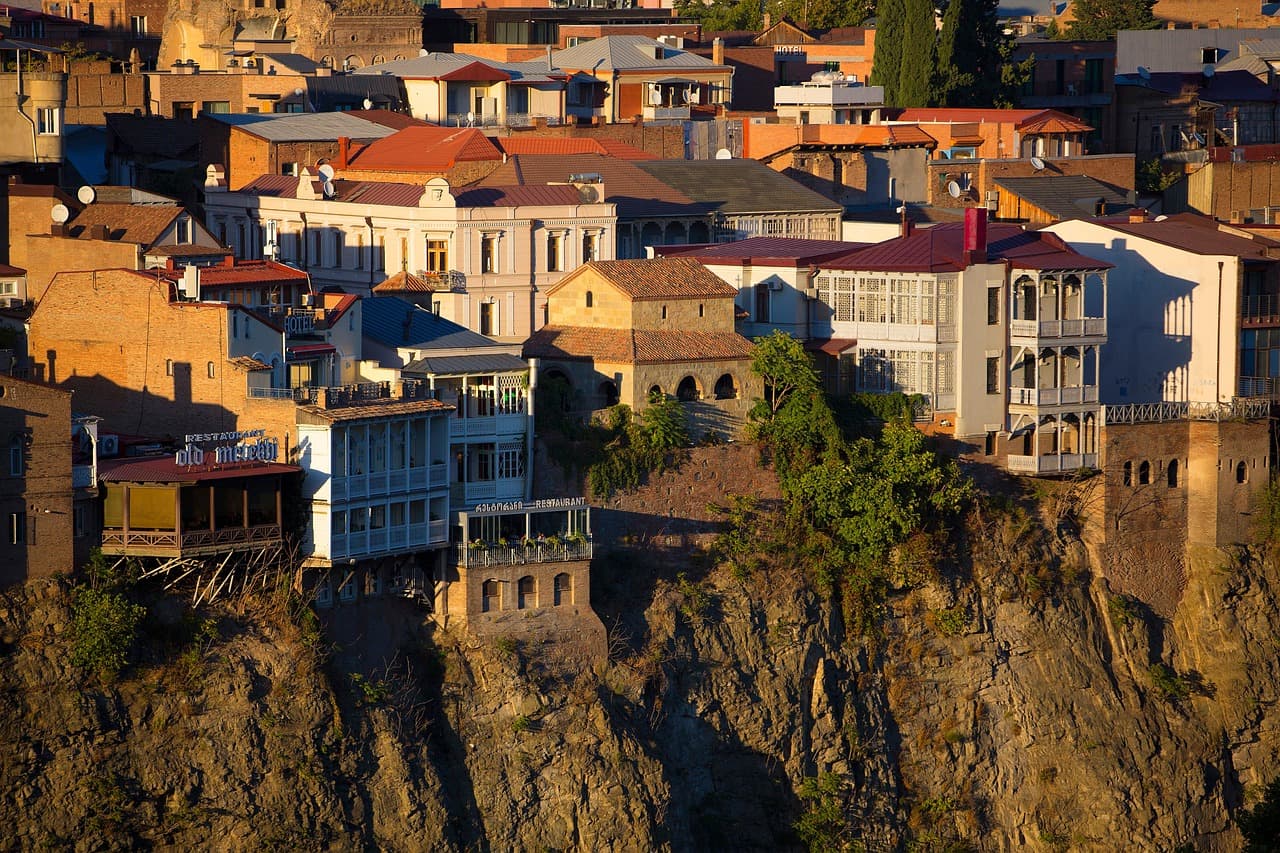
Tens of thousands of Georgians took to the streets after the disputed October 2024 parliamentary election, in which the ruling Georgian Dream party was officially declared the winner. Weeks later, the government announced a freeze on Georgia's EU accession process, deepening the standoff between a largely pro-European public and its rulers.
Protests over the disputed election
Following the vote in October 2024, tens of thousands of pro-European protesters rallied against the disputed results. The election was officially won by the Georgian Dream party, the ruling party whose result the rallies contested.
EU accession suspended
A few weeks after the election, the authorities announced the suspension of Georgia's EU accession process, a decision that ran against the wishes of much of the population.
Crackdown on dissent
The mass rallies have since lost momentum, and the authorities have moved against those who continue to object:
- •Smaller-scale protests still take place every day in Tbilisi despite an ongoing crackdown.
- •Dissenting voices are regularly suppressed, and opposition figures have been jailed.
- •In 2025 the government adopted a stricter version of its controversial foreign agents law, saying it would strengthen national sovereignty and ensure transparency among NGOs.
- •Modelled on Russian legislation, the law severely restricts access to international funding and gives authorities greater control over civil society.
A pro-EU public
According to the latest opinion polls, more than 70 percent of Georgians want their country to join the EU.
More than 70 percent of Georgians want to join the EU, according to the latest opinion polls.
The daily protests in Tbilisi continue, with Georgia's EU accession still on hold and the crackdown ongoing.