• Analysis
'Scared of crossing the border': Arizona farmers and Mexican workers brace for harvest
Melon harvest begins the week after early October 2026 in Yuma County, Arizona, where Arizona farmers depend on Mexican workers crossing the border daily. Farmer John Boelts lost most of two or three fields last spring after visas arrived six days late, at a possible cost of up to $100,000.
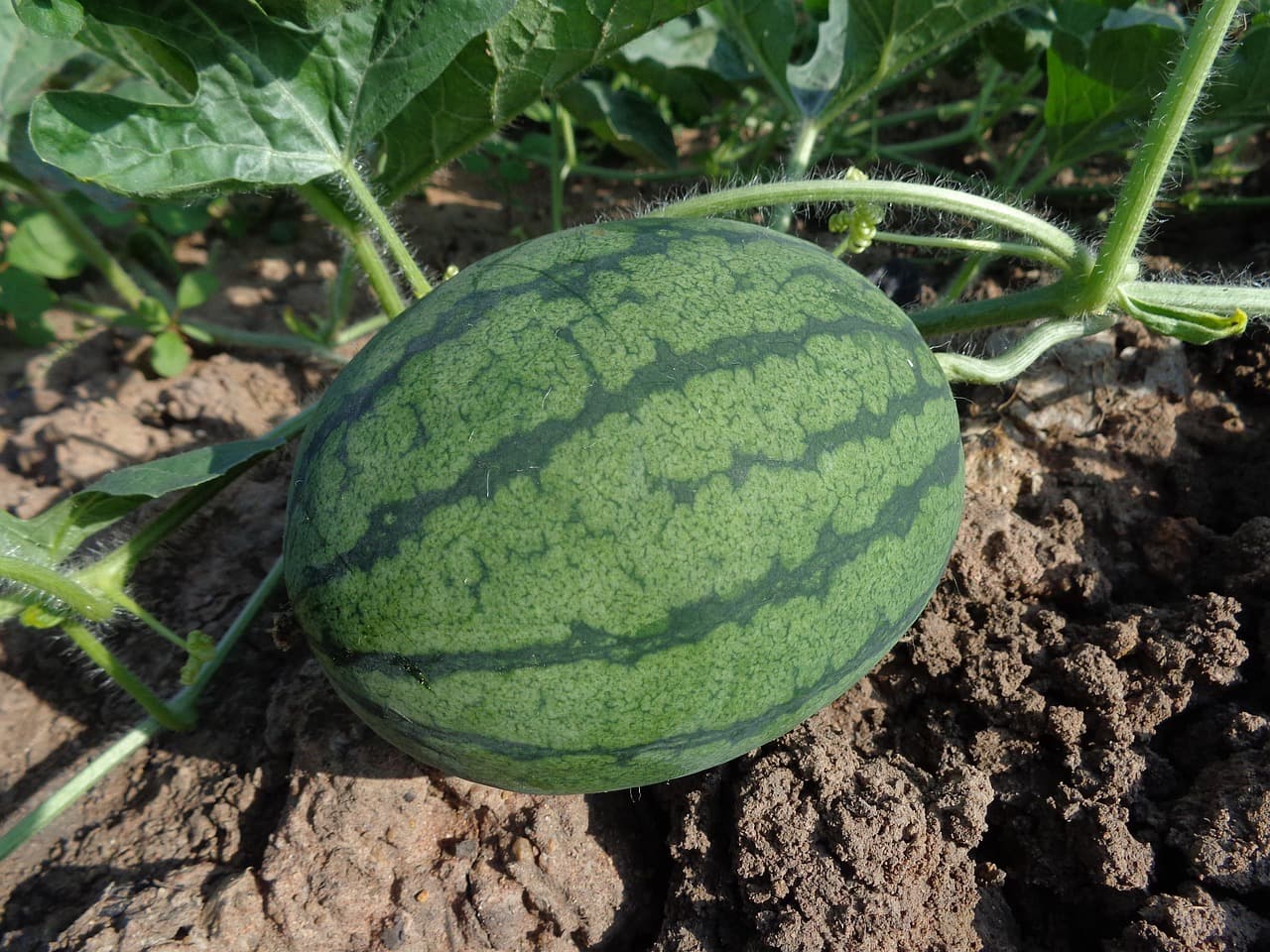
In the melon fields outside Yuma, Arizona, the crop will not wait. Once the fruit is ready, farmer John Boelts says he has about two days to get it picked and off the vine.
Last spring, his Mexican labourers received their working visas six days late, and he says he lost most of two or three fields as a result - a loss he puts at as much as $100,000. Now, with harvest beginning the week after early October 2026 and daytime temperatures still reaching 43°C after a September peak of 47°C, the timing matters again.
Boelts, 49, founded Desert Premium Farms with his wife Alicia and another couple, and presides over the Arizona Farm Bureau. His case is the concrete edge of a question facing Arizona farmers whose Mexican workers pick the crops: what happens to the harvest when the people who pick it cannot get across, or get there late.
Winter salad bowl in the desert
The Yuma region is not a niche producer. Between November and April, it grows 70 to 90 percent of all the leafy greens and vegetables consumed by the US and Canada. Irrigation channels carry Colorado River water to fields of lettuce, broccoli, cauliflower, spinach and melon, which has earned southwest Arizona its reputation as North America's "winter salad bowl".
That output rests on a labour force that crosses the border every day. According to the Arizona Farm Bureau, around 15,000 farm labourers cross daily in the high season, many of them living in San Luis Rio Colorado, Mexico, and working in American fields.
Two days to pick, visas six days late
Boelts directly employs 30 to 50 workers and calls daily for teams of 30 to 100 temporary workers, almost all of them Mexican. When the visas for last spring's crews came through six days late, the two-day harvest window had already narrowed, and he says most of two or three fields were lost, possibly costing him up to $100,000.
The seasonal pressure is structural, he argues. American agriculture has been short of workers for 20 years, he says, farms pay above minimum wage - sometimes more than $20 an hour - and yet walk-in applicants are rare. "Each year, for the last 20 years, we've been more in need of people. No one hardly ever comes around looking for work," he says.
Workers and the wait at the border
On the Mexican side of the crossing, the mood has shifted for some workers since Donald Trump returned to power. Alan, who has spent five years in the fields, put it this way:
"People are scared of crossing the border, because they can get sent off to other places."
Boelts says he has not seen legal workers act in fear, pointing out that 15,000 people cross each morning from November into March. "Those people aren't afraid to come to work... People that have a legal right to work, they go to work. That's it," he says - though Alan's comments show that others do feel afraid.
The crossing itself has become less punishing. Ana, another worker, says she regularly arrives at the border at 1am and sometimes waits one or two hours in line, though waits have recently shortened after the crossing was renovated and expanded. "It's really modern, and a little bit faster," she says.
The borderlands carry risks beyond the queue. Boelts says one of his employees was struck on the head by a drug trafficker while watering fields at night in an apparent attempt to steal his vehicle; the attacker fled to Mexico.
H-2A reform and the political fight
The visa delays that cost Boelts his melon fields trace back to the H-2A visa programme, set up in 1986, which lets employers hire foreign workers temporarily only if they cannot find US citizens to fill the posts, requiring proof of local recruitment and compliance with salary, housing and transport obligations. The scale of the domestic shortfall is stark: of more than 415,000 agriculture job listings posted in the 2025 fiscal year, just 182 received domestic applications.
Boelts argues the federal government wrongly treats agricultural workers as unskilled, and complains that the H-2A process demands HR teams and lawyers, dealings with four or five federal agencies, and nine months of advance planning. "The whole idea is crazy," he says.
He supports reform of the programme, as argued in Congress by Republican Congressman Glenn "GT" Thompson, and credits the Trump administration with trying to streamline it - but says the effort is being derailed by people who mischaracterise H-2A as an immigration programme.
"It's not. It's a guest worker programme."
He praises Trump and Agriculture Secretary Brooke Rollins, but calls on the president to publicly defend the H-2A reforms. "Farmers are tired of being a political football. We're tired of being left with certain administrations making things more difficult," he says.
Water is the other looming concern. Yuma's farms have so far been spared the Colorado River water restrictions imposed by the Trump administration since August, thanks to their priority water rights - but Boelts worries that protection may not hold within a year or two. "The only reason the system hasn't run dry is agriculture typically isn't using its full allocation. We're worried we're going to be up against it," he says.
For now, Boelts hopes Republicans will be able to work together on agriculture after the upcoming midterm elections.