World
• Analysis
US trade chief says G20 trade ministers meeting deadlocked on industrial overcapacity
US Trade Representative Jamieson Greer said Thursday that G20 trade ministers meeting in Milwaukee for a second day could not agree on tackling excess industrial capacity or on eliminating forced labour from supply chains, with the United States holding the group's rotating presidency this year.
By Haut Monde Post
• October 3, 2026
• 3 Min Read
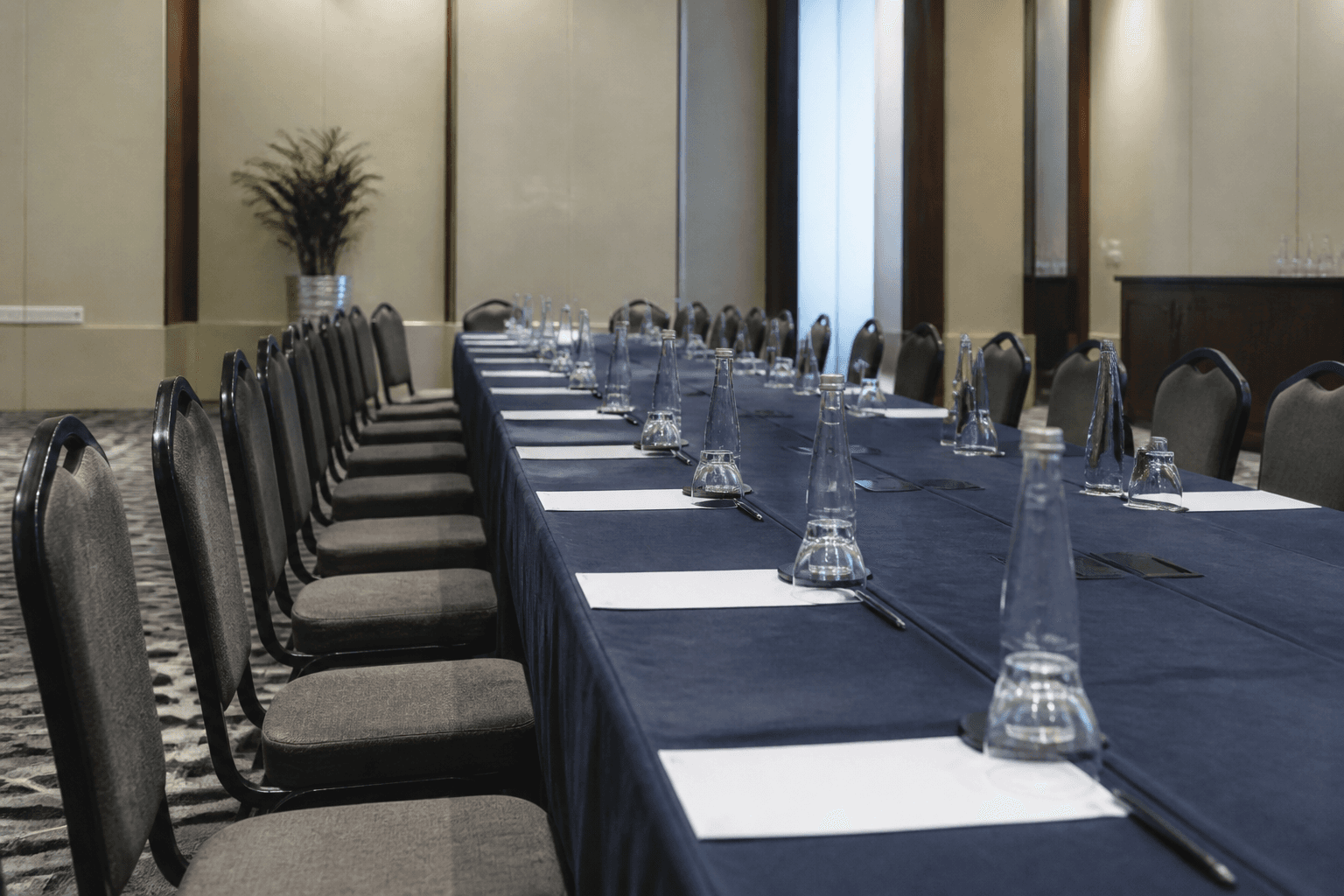
G20 trade ministers meeting in Milwaukee for a second day could not agree on tackling excess industrial capacity or on eliminating forced labour from supply chains, US Trade Representative Jamieson Greer said Thursday, as ministers from the group's major economies gathered in the Midwestern US city. The United States holds the G20's rotating presidency this year.
Two issues, no agreement
Speaking at a press conference, Greer said nearly every country sees excess capacity as an issue that requires action, and that nearly all consider the system of trade remedies inadequate to solve the problem. In his view, that inadequacy justified the United States acting unilaterally.
Excess industrial capacity is an accusation often levied at China, which rejects the criticism. Greer did not respond to questions on whether China's objection was behind the failure to agree.
Washington, for its part, has opened investigations into 16 economies over overcapacity, targeting among others:
- •China
- •the European Union
- •Japan
- •India
Greer warned that countries which overproduce risk:
creating an economy that rests on a house of cards
The forced-labour divide persisted even after President Donald Trump recently imposed tariffs on 60 trading partners over alleged forced labour concerns, a second issue on which the group stayed split.
Consensus on food, friction over Russia
There was common ground on one point: Greer said G20 countries found consensus against "the weaponisation of food through coercive trade actions".
Temperatures still rose over the issue at the two-day gathering as European officials criticised Russia's attacks impacting Ukraine's grain exports. Moscow and Kyiv have been locked in war since Russia's 2022 invasion of its neighbour, and Russian and Ukrainian strikes targeting Black Sea ports have been wrecking and idling agricultural export capacity more quickly than trade flows can recover.
France's Minister Delegate for Foreign Trade and Economic Attractiveness, Nicolas Forissier, told AFP on Thursday that he joined German and British representatives to the G20 in criticising Russia over the matter. "We have to say what we think, especially on the weaponisation of food," he said, arguing that European leaders' comments against "the aggression of Russia in Ukraine" on food exports merely constitute "the truth".
Forissier described the discussions as quite constructive and said there is a consensus that it is not acceptable to weaponise food and agriculture.
Russia is represented at this week's gathering by Economic Development Minister Maxim Reshetnikov, who criticised European leaders on Wednesday for speaking in political slogans, according to the state-controlled network Russia Today.
On the sidelines: bilateral tariff talks
Countries are seeking cooperation with Washington to lower tariffs. Canada's Minister for International Trade Maninder Sidhu told reporters Thursday that Ottawa is pursuing new negotiations:
- •bilateral trade deals with India, Turkey and Saudi Arabia
- •a digital trade agreement with the European Union
- •a Canada-India pact he expects to conclude within months
Sidhu also met Greer on the G20 sidelines and said the two sides discussed further Canada-US cooperation among other issues.
A Mexican official, speaking Thursday on condition of anonymity, said the country is making steady progress toward a tariff deal with the United States, and that Mexico would expect reductions on steel, cars and aluminum in any agreement.
Asked whether a deal might be struck before key US midterm elections, the official said Mexico is not looking to rush negotiations.