Wednesday, November 4, 2026

english

HAUT MONDE

POST

World

• Analysis

French blood bank hack: Attackers raise temperatures in EFS cold stores

Hackers hit cold stores holding blood products for France's national blood service (EFS) overnight on Monday, raising temperatures in three facilities, the EFS said. Alarms let technicians intervene before any products were compromised.
By Haut Monde Post

• November 4, 2026

• 3 Min Read

French blood bank hack: Attackers raise temperatures in EFS cold stores

What happened at the EFS cold stores

The French blood bank hack unfolded overnight on Monday, when attackers got into the control systems of cold stores stocking blood products and pushed temperatures up in three of them. The EFS said temperature and defrosting thresholds had been raised to very high levels, but alarms alerted technicians, who stepped in before any products were harmed.

The service stressed that it was not itself the target: the affected stores are run by its contractors.

Protecting the blood supply

The stakes are high. The EFS distributes blood, plasma and platelets to more than 1,900 hospitals across France and supports over a million patients a year.

After the intrusion, the service moved quickly to protect its stock:

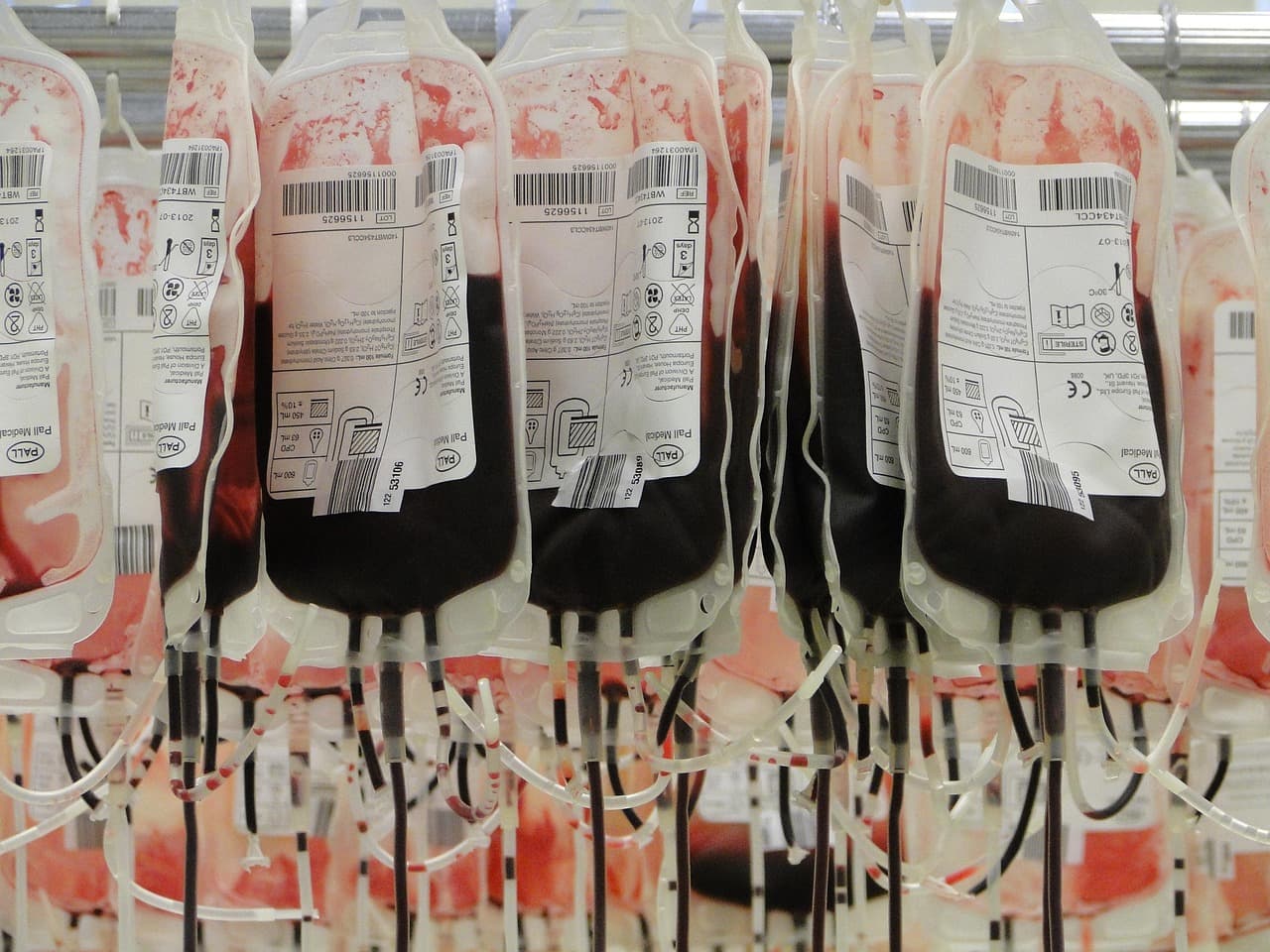
  • •Products held in the affected rooms, among them plasma bags used for transfusions and medicine manufacturing, were transferred to other sites.
  • •France's national cybersecurity agency (ANSSI) and the health ministry were alerted.
  • •Monitoring of all EFS equipment has since been reinforced.

Part of a wider European wave

The attack on the blood stores fits a pattern of cyber-attacks on refrigeration across Europe. In supermarkets in almost a dozen countries, fridges and freezers soared to temperatures of up to 50C (122F), ruining food worth millions of euros. Retailers in Italy, Germany, Romania and the UK were hit on Tuesday, after Belgium, Estonia, Ireland, Finland, Luxembourg, the Netherlands and Sweden reported problems the day before.

Other incidents in the sequence include:

  • •A French wave last month in which hackers took control of cooling units in as many as 700 supermarkets.
  • •A regional branch of France's Crédit Mutuel bank saying on Wednesday that it had suffered a cyber-attack.
  • •Fridge malfunctions in early August at commissaries on at least six US military bases, which the Pentagon is investigating as a suspected hack.

EU response and attribution questions

After Italy's government held emergency talks with intelligence officials on Tuesday, EU spokesperson Thomas Regnier said the bloc's agencies were in urgent discussions with national authorities to shape a collective response.

"These are not isolated incidents and of course we have to be collectively resilient and prepared for such cyber incidents."

Regnier declined to name any potential culprits, and no motive is known. No one has claimed responsibility. Rafe Pilling, senior director for threat intelligence at Sophos, said the most plausible scenarios were a "state-based signalling and demonstration of capability" or a lone-wolf hacker. Some authorities and experts worry about government-sponsored hybrid attacks following Russia's 2022 invasion of Ukraine, and Western intelligence officials say Moscow is waging a sabotage campaign in Europe. The EFS, meanwhile, keeps watch on all its equipment while ANSSI and the health ministry handle the alert.


HAUT MONDE POST

Independent journalism of the highest standard. A chronicle of world culture, politics, arts, and public thought.

Publication

AboutEditorial

Newsletter

Get the best Haut Monde Post content delivered to your inbox every week.

© 2026 Haut Monde Post. All rights reserved. Digital edition hautmondepost.com.

Wednesday, Nov 4, 2026

english

World

• Analysis

French blood bank hack: Attackers raise temperatures in EFS cold stores

Hackers hit cold stores holding blood products for France's national blood service (EFS) overnight on Monday, raising temperatures in three facilities, the EFS said. Alarms let technicians intervene before any products were compromised.

By Haut Monde Post

Nov 4, 2026 • 3 Min Read
French blood bank hack: Attackers raise temperatures in EFS cold stores

What happened at the EFS cold stores

The French blood bank hack unfolded overnight on Monday, when attackers got into the control systems of cold stores stocking blood products and pushed temperatures up in three of them. The EFS said temperature and defrosting thresholds had been raised to very high levels, but alarms alerted technicians, who stepped in before any products were harmed.

The service stressed that it was not itself the target: the affected stores are run by its contractors.

Protecting the blood supply

The stakes are high. The EFS distributes blood, plasma and platelets to more than 1,900 hospitals across France and supports over a million patients a year.

After the intrusion, the service moved quickly to protect its stock:

  • •Products held in the affected rooms, among them plasma bags used for transfusions and medicine manufacturing, were transferred to other sites.
  • •France's national cybersecurity agency (ANSSI) and the health ministry were alerted.
  • •Monitoring of all EFS equipment has since been reinforced.

Part of a wider European wave

The attack on the blood stores fits a pattern of cyber-attacks on refrigeration across Europe. In supermarkets in almost a dozen countries, fridges and freezers soared to temperatures of up to 50C (122F), ruining food worth millions of euros. Retailers in Italy, Germany, Romania and the UK were hit on Tuesday, after Belgium, Estonia, Ireland, Finland, Luxembourg, the Netherlands and Sweden reported problems the day before.

Other incidents in the sequence include:

  • •A French wave last month in which hackers took control of cooling units in as many as 700 supermarkets.
  • •A regional branch of France's Crédit Mutuel bank saying on Wednesday that it had suffered a cyber-attack.
  • •Fridge malfunctions in early August at commissaries on at least six US military bases, which the Pentagon is investigating as a suspected hack.

EU response and attribution questions

After Italy's government held emergency talks with intelligence officials on Tuesday, EU spokesperson Thomas Regnier said the bloc's agencies were in urgent discussions with national authorities to shape a collective response.

"These are not isolated incidents and of course we have to be collectively resilient and prepared for such cyber incidents."

Regnier declined to name any potential culprits, and no motive is known. No one has claimed responsibility. Rafe Pilling, senior director for threat intelligence at Sophos, said the most plausible scenarios were a "state-based signalling and demonstration of capability" or a lone-wolf hacker. Some authorities and experts worry about government-sponsored hybrid attacks following Russia's 2022 invasion of Ukraine, and Western intelligence officials say Moscow is waging a sabotage campaign in Europe. The EFS, meanwhile, keeps watch on all its equipment while ANSSI and the health ministry handle the alert.

HAUT MONDE POST

Independent journalism of the highest standard. A chronicle of world culture, politics, arts, and public thought. Published and printed daily in Paris, France.

Publication

AboutEditorial

Newsletter

Get the best Haut Monde Post content delivered to your inbox every week.

© 2026 Haut Monde Post. All rights reserved. Digital edition hautmondepost.com. Published in Paris.

Wednesday, Nov 4, 2026

english

World

• Analysis

French blood bank hack: Attackers raise temperatures in EFS cold stores

Hackers hit cold stores holding blood products for France's national blood service (EFS) overnight on Monday, raising temperatures in three facilities, the EFS said. Alarms let technicians intervene before any products were compromised.

By Haut Monde Post

French blood bank hack: Attackers raise temperatures in EFS cold stores

What happened at the EFS cold stores

The French blood bank hack unfolded overnight on Monday, when attackers got into the control systems of cold stores stocking blood products and pushed temperatures up in three of them. The EFS said temperature and defrosting thresholds had been raised to very high levels, but alarms alerted technicians, who stepped in before any products were harmed.

The service stressed that it was not itself the target: the affected stores are run by its contractors.

Protecting the blood supply

The stakes are high. The EFS distributes blood, plasma and platelets to more than 1,900 hospitals across France and supports over a million patients a year.

After the intrusion, the service moved quickly to protect its stock:

  • •Products held in the affected rooms, among them plasma bags used for transfusions and medicine manufacturing, were transferred to other sites.
  • •France's national cybersecurity agency (ANSSI) and the health ministry were alerted.
  • •Monitoring of all EFS equipment has since been reinforced.

Part of a wider European wave

The attack on the blood stores fits a pattern of cyber-attacks on refrigeration across Europe. In supermarkets in almost a dozen countries, fridges and freezers soared to temperatures of up to 50C (122F), ruining food worth millions of euros. Retailers in Italy, Germany, Romania and the UK were hit on Tuesday, after Belgium, Estonia, Ireland, Finland, Luxembourg, the Netherlands and Sweden reported problems the day before.

Other incidents in the sequence include:

  • •A French wave last month in which hackers took control of cooling units in as many as 700 supermarkets.
  • •A regional branch of France's Crédit Mutuel bank saying on Wednesday that it had suffered a cyber-attack.
  • •Fridge malfunctions in early August at commissaries on at least six US military bases, which the Pentagon is investigating as a suspected hack.

EU response and attribution questions

After Italy's government held emergency talks with intelligence officials on Tuesday, EU spokesperson Thomas Regnier said the bloc's agencies were in urgent discussions with national authorities to shape a collective response.

"These are not isolated incidents and of course we have to be collectively resilient and prepared for such cyber incidents."

Regnier declined to name any potential culprits, and no motive is known. No one has claimed responsibility. Rafe Pilling, senior director for threat intelligence at Sophos, said the most plausible scenarios were a "state-based signalling and demonstration of capability" or a lone-wolf hacker. Some authorities and experts worry about government-sponsored hybrid attacks following Russia's 2022 invasion of Ukraine, and Western intelligence officials say Moscow is waging a sabotage campaign in Europe. The EFS, meanwhile, keeps watch on all its equipment while ANSSI and the health ministry handle the alert.