Wednesday, November 4, 2026

english

HAUT MONDE

POST

Culture & Arts

• Analysis

London exhibition traces the Dreyfus affair as antisemitism 'gone viral'

A new Dreyfus affair exhibition opens at the Wiener Holocaust Library in London 120 years after Alfred Dreyfus was exonerated, and its co-director Barbara Warnock calls the scandal the world's first case of antisemitism 'gone viral'.
By Haut Monde Post

• November 4, 2026

• 3 Min Read

London exhibition traces the Dreyfus affair as antisemitism 'gone viral'

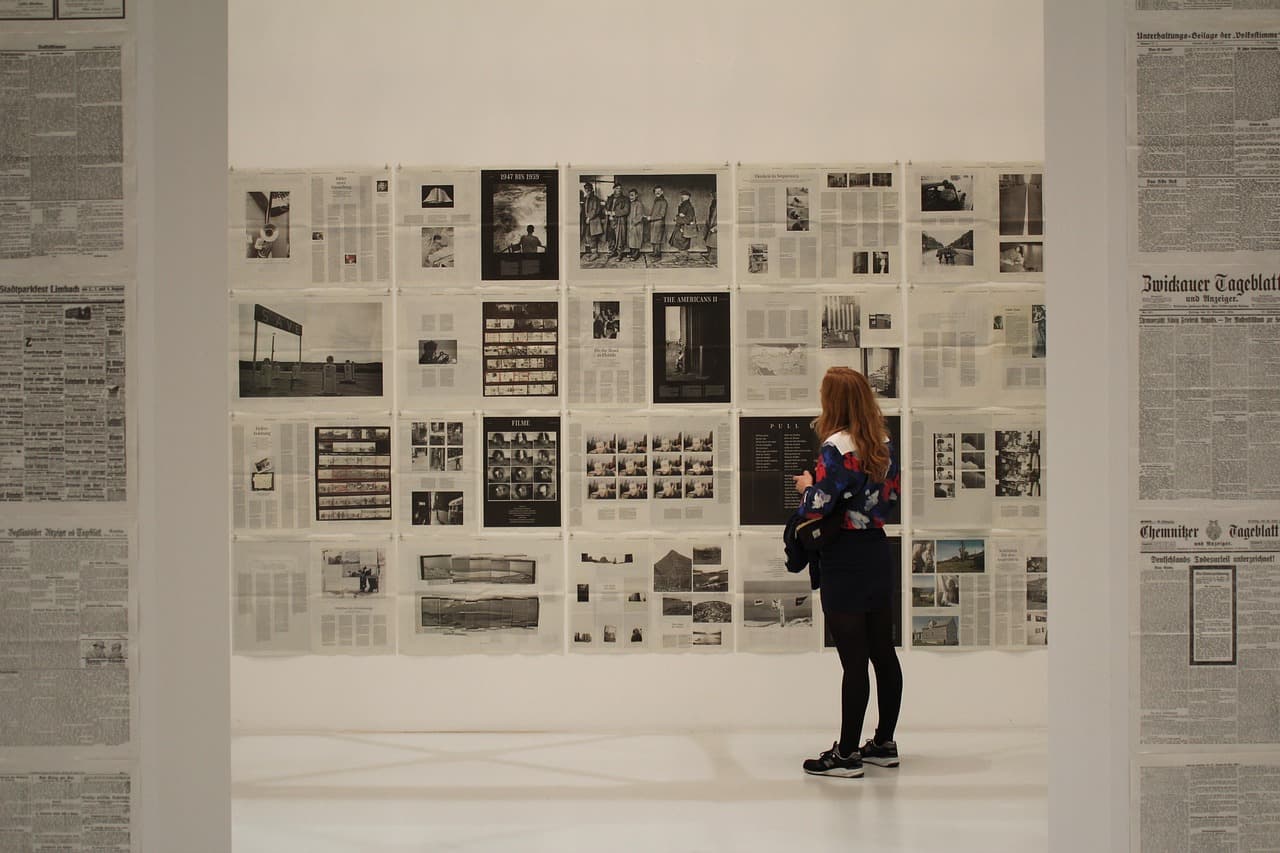
A new Dreyfus affair exhibition at the Wiener Holocaust Library in London opens 120 years after Alfred Dreyfus's exoneration, promotion and award of the legion d'honneur. Barbara Warnock, the library's co-director, has described the affair as the world's first experience of antisemitism "gone viral". The show, J'accuse! Press, Polemic and the Dreyfus Affair, gathers the newspapers, journals and posters through which the scandal was fought in 1890s France.

A scandal in print

The affair began with the wrongful 1894 conviction for treason of Alfred Dreyfus, a 36-year-old French army captain. He spent years in solitary confinement on the Devil's Island penal colony off French Guiana, while France itself split over his guilt.

The scandal erupted at a moment when France's prohibitive censorship laws had been lifted and printing presses were faster than ever before. The result was a flood of newspaper specials, journals, posters and polemics.

Posters built to dehumanise

Among the most striking exhibits is a poster caricaturing Arthur Ranc, a leftwing politician, writer and newspaper editor who supported Dreyfus, as an alligator-like creature with razor-sharp teeth.

The poster belongs to the Musée des Horreurs series. Curator Clara Dijkstra said the series ran from autumn 1899 to 1900, with 45 to 50 versions depicting pro-Dreyfus figures, until the government shut publication down as too grotesque.

"The point was to dehumanise all these figures that were defending Dreyfus's innocence."

The press on both sides

The exhibition also traces how newspapers drove the story in France and abroad:

  • •A copy of the rightwing paper La Libre Parole, founded by Édouard Drumont, initiator of the Antisemitic League of France, is noted for its grotesque antisemitic cover imagery.
  • •Dijkstra said La Libre Parole had a large circulation and was the first paper to report that Dreyfus was guilty, effectively breaking the story.
  • •The only English-language Dreyfus publication in the collection is a 45-page special edition of the weekly illustrated Graphic, headlined 'Dreyfus the martyr' above an image of his apparent arrest.
  • •Dijkstra said the Graphic focused on the miscarriage of justice as a courtroom drama rather than on antisemitism, which captured people's attention.

Zola, J'Accuse and the response

The French journal Psst….! emerged in direct response to J'Accuse, the open letter the novelist Émile Zola wrote to French president Félix Faure in 1898, accusing the French government of antisemitism and a cover-up. Zola was later convicted of libel and fled to England.

One Psst….! image shows a Prussian officer pulling the strings of a mask of Zola's face, with a Jewish caricature behind it. Dijkstra said the image implied that Germans were behind it all, that there was a conspiracy, and that the message was pretty much always the same.

About the library and the exhibition

The library was founded by Alfred Wiener, grandfather of the Conservative peer Daniel Finkelstein. Wiener fled Germany for the Netherlands in 1933 after the Nazis' rise, and escaped from Amsterdam to London in 1938 carrying documents chronicling the rise of antisemitism.

Around 40 Dreyfus exhibits are on display: pieces Wiener sourced himself, others collected by the library, and a long-term loan from Birkbeck, University of London.

At a preview, Warnock said the topic remains relevant today, with echoes in how antisemitism manifests itself now. "This is a very relevant topic for now," she said.

The exhibition runs from 5 November to 19 March at the Wiener Holocaust Library.
HAUT MONDE POST

Independent journalism of the highest standard. A chronicle of world culture, politics, arts, and public thought.

Publication

AboutEditorial

Newsletter

Get the best Haut Monde Post content delivered to your inbox every week.

© 2026 Haut Monde Post. All rights reserved. Digital edition hautmondepost.com.

Wednesday, Nov 4, 2026

english

Culture & Arts

• Analysis

London exhibition traces the Dreyfus affair as antisemitism 'gone viral'

A new Dreyfus affair exhibition opens at the Wiener Holocaust Library in London 120 years after Alfred Dreyfus was exonerated, and its co-director Barbara Warnock calls the scandal the world's first case of antisemitism 'gone viral'.

By Haut Monde Post

Nov 4, 2026 • 3 Min Read
London exhibition traces the Dreyfus affair as antisemitism 'gone viral'

A new Dreyfus affair exhibition at the Wiener Holocaust Library in London opens 120 years after Alfred Dreyfus's exoneration, promotion and award of the legion d'honneur. Barbara Warnock, the library's co-director, has described the affair as the world's first experience of antisemitism "gone viral". The show, J'accuse! Press, Polemic and the Dreyfus Affair, gathers the newspapers, journals and posters through which the scandal was fought in 1890s France.

A scandal in print

The affair began with the wrongful 1894 conviction for treason of Alfred Dreyfus, a 36-year-old French army captain. He spent years in solitary confinement on the Devil's Island penal colony off French Guiana, while France itself split over his guilt.

The scandal erupted at a moment when France's prohibitive censorship laws had been lifted and printing presses were faster than ever before. The result was a flood of newspaper specials, journals, posters and polemics.

Posters built to dehumanise

Among the most striking exhibits is a poster caricaturing Arthur Ranc, a leftwing politician, writer and newspaper editor who supported Dreyfus, as an alligator-like creature with razor-sharp teeth.

The poster belongs to the Musée des Horreurs series. Curator Clara Dijkstra said the series ran from autumn 1899 to 1900, with 45 to 50 versions depicting pro-Dreyfus figures, until the government shut publication down as too grotesque.

"The point was to dehumanise all these figures that were defending Dreyfus's innocence."

The press on both sides

The exhibition also traces how newspapers drove the story in France and abroad:

  • •A copy of the rightwing paper La Libre Parole, founded by Édouard Drumont, initiator of the Antisemitic League of France, is noted for its grotesque antisemitic cover imagery.
  • •Dijkstra said La Libre Parole had a large circulation and was the first paper to report that Dreyfus was guilty, effectively breaking the story.
  • •The only English-language Dreyfus publication in the collection is a 45-page special edition of the weekly illustrated Graphic, headlined 'Dreyfus the martyr' above an image of his apparent arrest.
  • •Dijkstra said the Graphic focused on the miscarriage of justice as a courtroom drama rather than on antisemitism, which captured people's attention.

Zola, J'Accuse and the response

The French journal Psst….! emerged in direct response to J'Accuse, the open letter the novelist Émile Zola wrote to French president Félix Faure in 1898, accusing the French government of antisemitism and a cover-up. Zola was later convicted of libel and fled to England.

One Psst….! image shows a Prussian officer pulling the strings of a mask of Zola's face, with a Jewish caricature behind it. Dijkstra said the image implied that Germans were behind it all, that there was a conspiracy, and that the message was pretty much always the same.

About the library and the exhibition

The library was founded by Alfred Wiener, grandfather of the Conservative peer Daniel Finkelstein. Wiener fled Germany for the Netherlands in 1933 after the Nazis' rise, and escaped from Amsterdam to London in 1938 carrying documents chronicling the rise of antisemitism.

Around 40 Dreyfus exhibits are on display: pieces Wiener sourced himself, others collected by the library, and a long-term loan from Birkbeck, University of London.

At a preview, Warnock said the topic remains relevant today, with echoes in how antisemitism manifests itself now. "This is a very relevant topic for now," she said.

The exhibition runs from 5 November to 19 March at the Wiener Holocaust Library.

HAUT MONDE POST

Independent journalism of the highest standard. A chronicle of world culture, politics, arts, and public thought. Published and printed daily in Paris, France.

Publication

AboutEditorial

Newsletter

Get the best Haut Monde Post content delivered to your inbox every week.

© 2026 Haut Monde Post. All rights reserved. Digital edition hautmondepost.com. Published in Paris.

Wednesday, Nov 4, 2026

english

Culture & Arts

• Analysis

London exhibition traces the Dreyfus affair as antisemitism 'gone viral'

A new Dreyfus affair exhibition opens at the Wiener Holocaust Library in London 120 years after Alfred Dreyfus was exonerated, and its co-director Barbara Warnock calls the scandal the world's first case of antisemitism 'gone viral'.

By Haut Monde Post

London exhibition traces the Dreyfus affair as antisemitism 'gone viral'

A new Dreyfus affair exhibition at the Wiener Holocaust Library in London opens 120 years after Alfred Dreyfus's exoneration, promotion and award of the legion d'honneur. Barbara Warnock, the library's co-director, has described the affair as the world's first experience of antisemitism "gone viral". The show, J'accuse! Press, Polemic and the Dreyfus Affair, gathers the newspapers, journals and posters through which the scandal was fought in 1890s France.

A scandal in print

The affair began with the wrongful 1894 conviction for treason of Alfred Dreyfus, a 36-year-old French army captain. He spent years in solitary confinement on the Devil's Island penal colony off French Guiana, while France itself split over his guilt.

The scandal erupted at a moment when France's prohibitive censorship laws had been lifted and printing presses were faster than ever before. The result was a flood of newspaper specials, journals, posters and polemics.

Posters built to dehumanise

Among the most striking exhibits is a poster caricaturing Arthur Ranc, a leftwing politician, writer and newspaper editor who supported Dreyfus, as an alligator-like creature with razor-sharp teeth.

The poster belongs to the Musée des Horreurs series. Curator Clara Dijkstra said the series ran from autumn 1899 to 1900, with 45 to 50 versions depicting pro-Dreyfus figures, until the government shut publication down as too grotesque.

"The point was to dehumanise all these figures that were defending Dreyfus's innocence."

The press on both sides

The exhibition also traces how newspapers drove the story in France and abroad:

  • •A copy of the rightwing paper La Libre Parole, founded by Édouard Drumont, initiator of the Antisemitic League of France, is noted for its grotesque antisemitic cover imagery.
  • •Dijkstra said La Libre Parole had a large circulation and was the first paper to report that Dreyfus was guilty, effectively breaking the story.
  • •The only English-language Dreyfus publication in the collection is a 45-page special edition of the weekly illustrated Graphic, headlined 'Dreyfus the martyr' above an image of his apparent arrest.
  • •Dijkstra said the Graphic focused on the miscarriage of justice as a courtroom drama rather than on antisemitism, which captured people's attention.

Zola, J'Accuse and the response

The French journal Psst….! emerged in direct response to J'Accuse, the open letter the novelist Émile Zola wrote to French president Félix Faure in 1898, accusing the French government of antisemitism and a cover-up. Zola was later convicted of libel and fled to England.

One Psst….! image shows a Prussian officer pulling the strings of a mask of Zola's face, with a Jewish caricature behind it. Dijkstra said the image implied that Germans were behind it all, that there was a conspiracy, and that the message was pretty much always the same.

About the library and the exhibition

The library was founded by Alfred Wiener, grandfather of the Conservative peer Daniel Finkelstein. Wiener fled Germany for the Netherlands in 1933 after the Nazis' rise, and escaped from Amsterdam to London in 1938 carrying documents chronicling the rise of antisemitism.

Around 40 Dreyfus exhibits are on display: pieces Wiener sourced himself, others collected by the library, and a long-term loan from Birkbeck, University of London.

At a preview, Warnock said the topic remains relevant today, with echoes in how antisemitism manifests itself now. "This is a very relevant topic for now," she said.

The exhibition runs from 5 November to 19 March at the Wiener Holocaust Library.