World
• Analysis
Flávio Bolsonaro's First-Round Lead Unsettles Brazil's Climate Campaigners
Flávio Bolsonaro won 47% of the vote in this week's first round of Brazil's presidential election and goes into the 25 October runoff in first place against President Luiz Inácio Lula da Silva, backed by 44.2%. The result has unsettled climate and nature campaigners.
By Haut Monde Post
• October 7, 2026
• 4 Min Read
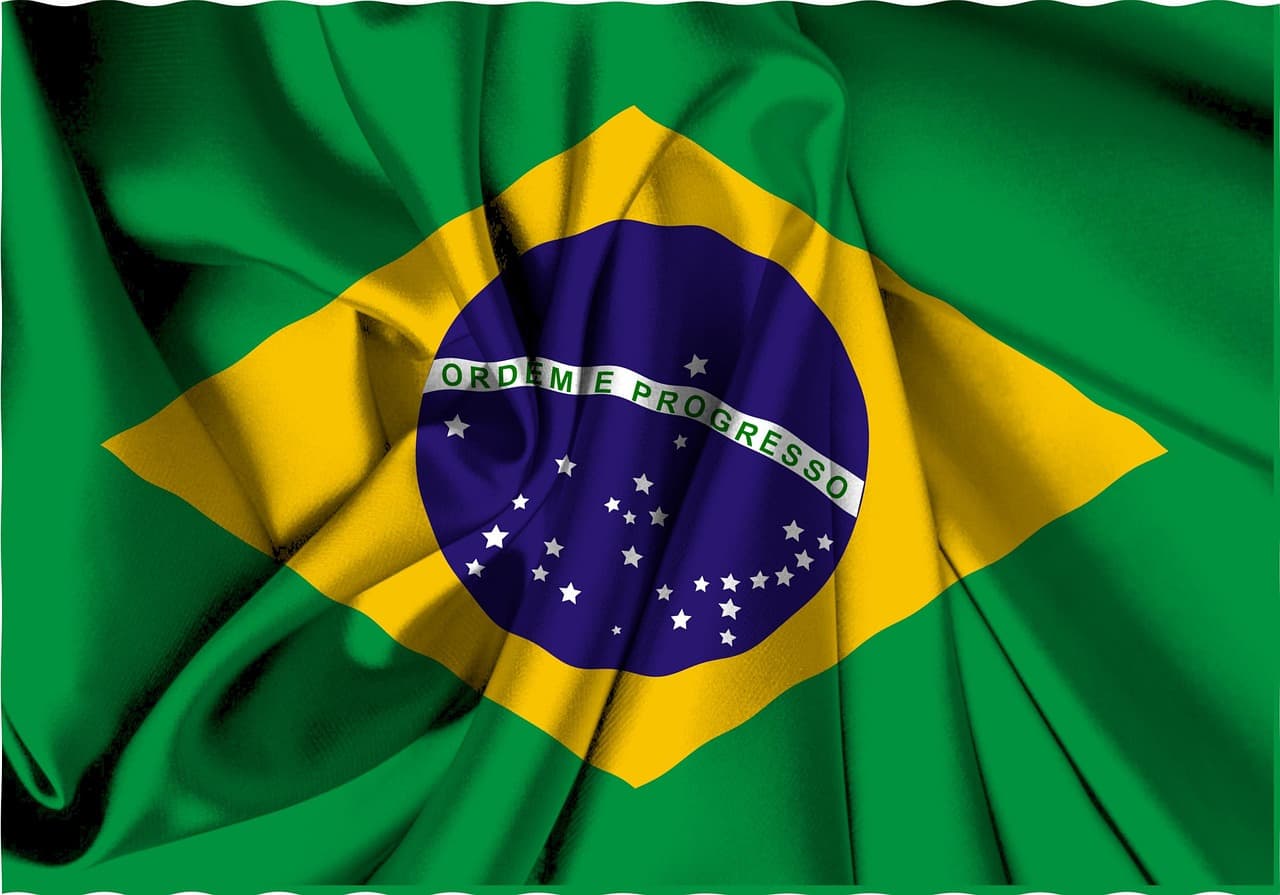
Flávio Bolsonaro, the far-right son of the former president Jair Bolsonaro, won 47% of the vote in the first round of Brazil's presidential election this week. That lead puts him in pole position going into the runoff on 25 October against the incumbent president, Luiz Inácio Lula da Silva, who was backed by 44.2% of voters. The result has unsettled climate and nature campaigners.
A deforestation success no one voted for
The government's uncomfortable arithmetic sits away from the top of the ticket. Lula's current administration has cut deforestation in the Amazon by almost 50%. Yet that success won little clear electoral reward - neither for Lula himself nor for pro-forest candidates in the other polls held the same day.
The defeats were concentrated among the most recognisable names in Brazilian environmental politics:
- •Marina Silva, the former environment minister, lost her bid for a Senate seat
- •Joenia Wapichana, who once headed Brazil's Indigenous affairs agency, Funai, fell short in her run for Congress
- •Just two of the 57 Indigenous candidates won their races
The candidate's own record on the forest
Flávio Bolsonaro is the heir to the political legacy of his father, Jair Bolsonaro, a former army captain. The elder Bolsonaro's four years in power brought a 59.5% rise in Amazon deforestation, equal to the destruction of some 2bn trees.
The son has pledged to free his father if he wins - Jair Bolsonaro is imprisoned for plotting a military coup and attempting to destroy democracy in Brazil - and has said his father could take any post he wants in his administration.
His own record on the forest, as the report sets it out, runs along the same course:
- •As a lawmaker, he backed a 2019 bill that would lift the duty on Amazon landowners to keep a share of native vegetation intact
- •His manifesto says nothing at all about the climate crisis
- •He has sought backing from landowners counted among the rainforest's most predatory
- •Like his father, the report says, he would open Indigenous territories to illegal miners, loggers and land grabbers
Bolsonarism's grip on the Amazon map
Behind the candidate stands a wider movement with a name and an aim. Bolsonarism, as the report describes it, exists to maximise profits for extractive industries whatever the environmental cost. After Sunday's first round, Bolsonarists hold seven of the Brazilian Amazon's nine states, and an eighth could fall to them in the runoffs.
Two results from that map show how the movement treats the forest:
- •Daniel Santos, the Bolsonarist winner in the Amazonian state of Pará, carries a $275,000 (£208,000) fine for clearing 280 hectares (692 acres) of his land without authorisation - and now promises to waive penalties of this kind
- •Inside a legislature already dominated by agribusiness interests, Bolsonarist clout keeps growing
The wider setting matches. Congress, even before the vote, had been pressing hard to weaken environmental safeguards. Brazil's supreme court, in disarray, has so far been only a partial check on the expansion of miners, ranchers and monoculture growers.
Why the green message missed
The report traces voters' inattention to the forest agenda to several connected causes. Under the Bolsonaro government, his sons belonged to a 'hate cabinet' which pushed fear and disinformation through WhatsApp groups and other online channels; federal police indicted Jair Bolsonaro's second son, Carlos, for leading the group, and environmentalists were often its target.
Faith is the second strand. US-style Pentecostalism is steadily replacing Catholicism across Brazil, above all in the Amazon. The report sets the pro-nature writing of the past two popes against evangelical preachers who urge followers to seek wealth today at least as much as moral creeds.
The left's own weaknesses form the third strand. Lula, at 80, has been slow to adapt. The Workers party has had a hard time in an era of weaker unions, even though its education and social policies lifted millions from poverty while raising expectations of consumption and entrepreneurism.
Money and media work in the same direction. Big subsidies to farmers who chafe at environmental limits are pushing them toward the right wing. Social media, wielded far more effectively by the far right, completes the report's account of why these concerns failed to register with voters.
Against these forces, the report argues, Lula would struggle to govern even if he wins the runoff. Flávio Bolsonaro and Lula da Silva meet again in the runoff on 25 October, with Bolsonarists positioned to take an eighth of the Brazilian Amazon's nine states in the second-round contests.