• Analysis
Home Office sued over EU citizens settled status lawsuit after nearly 1,500 lose right to live in UK
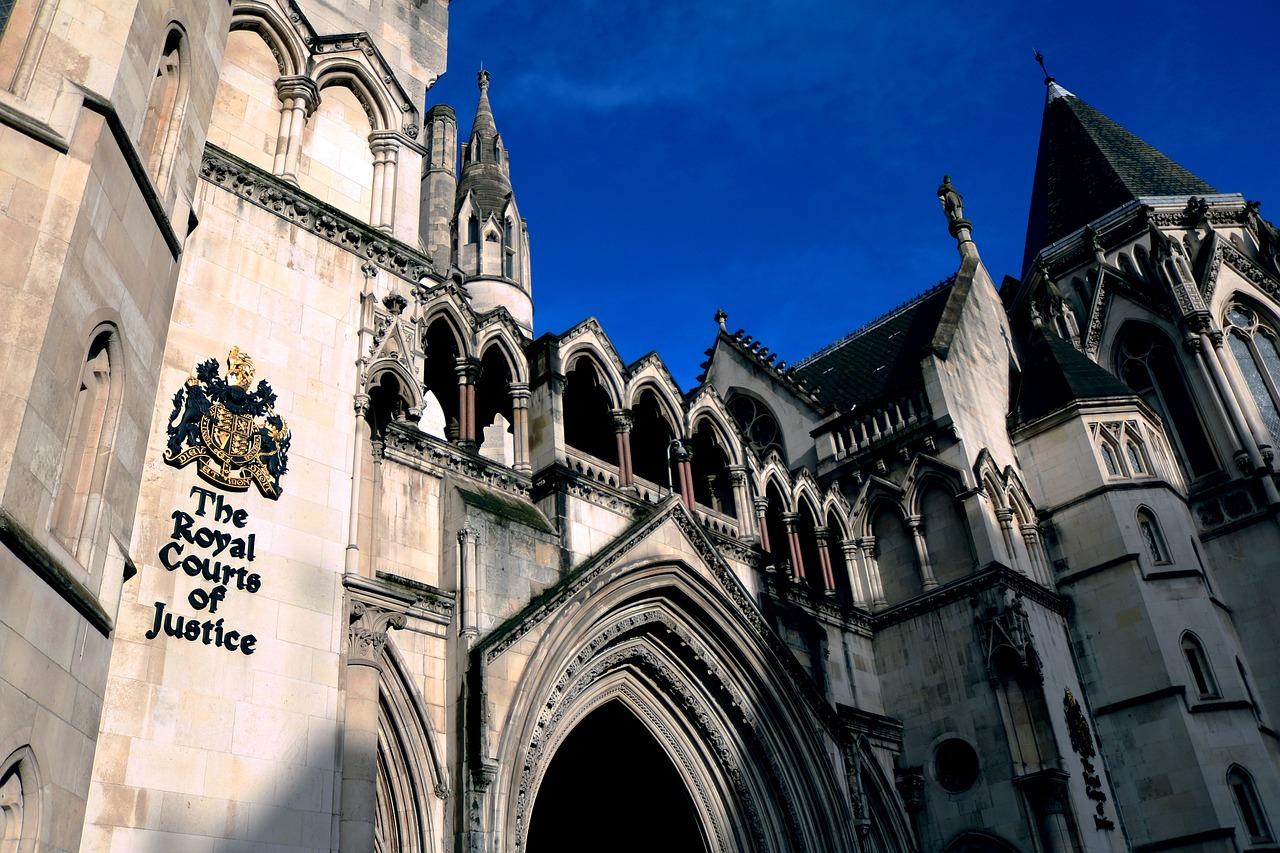
Campaign group the3million has filed a high court lawsuit against the Home Office, alleging a breach of the Brexit withdrawal agreement after almost 1,500 EU citizens had their settled status - and their right to live in the UK - revoked.
What the legal challenge argues
The EU citizens settled status lawsuit was lodged at the high court on Friday by the3million, the campaign group behind the case. It targets the Home Office practice of removing full UK living rights from people whose pre-settled status was later declared an "error".
According to the statement of claim, those decisions were made without the "procedural protections" the Brexit withdrawal agreement requires, including appeal rights and a proportionality assessment.
- •The group asks the court to declare that the "grant in error policy is unlawful, by breach of the WA and/or common law"
- •It also wants the offending parts of the published policy removed
- •The papers describe the case as a matter of due process, noting the Home Office refused to change course despite the3million's advocacy since early 2025
The Italian citizenship cases behind the claim
The litigation follows cases of EU citizens with pre-settled status who were recently told those decisions were an "error". The Home Office had told Brazilian Italians their status was granted "in error" because they had not presented an Italian passport at the time, only that they were Italian citizens.
Several of the cases involve Brazilians with Italian parents or grandparents. Under Italian law these citizens are Italian by birth, but the Home Office alleged they were not because they lacked an Italian passport when they applied.
In October 2026 the Home Office changed position, saying it would now accept that a person providing evidence of Italian citizenship obtained through jure sanguinis was an Italian from birth.
Monique Hawkins, acting CEO of the3million, said: "The Home Office is putting the cart before the horse." In her view, the department withholds the safeguards the withdrawal agreement guarantees - a fair assessment and a right of appeal - on the ground that people are plainly outside the agreement, which she compared to denying someone a trial on the assumption of guilt.
People affected
One complainant is a 33-year-old Brazilian Italian engineer who has been in London since 2018. He was told his wife could not stay, a decision reversed in recent weeks after objections.
Another is an NHS worker studying for a PhD in dentistry, who said the Home Office notification had "turned her life upside down". Some complainants could not get an Italian passport because public institutions were in lockdown during the coronavirus pandemic.
Lawyers for the group argue the UK's minimal-evidence approach to EU settlement applications, which minimised the evidence required by any EU citizen applying to stay after Brexit, "compounded" the current Home Office policy. The scheme did operate more generously than the minimum requirements of the withdrawal agreement in several respects, but Hawkins said grants were made through processes involving evidential flexibility and, in some cases, discretionary decision-making - meaning status holders cannot know on what basis their status was granted.
Precedent and Home Office response
There is precedent for the challenge. In 2022 the Independent Monitoring Authority, backed by the3million, took the Home Office to court over forcing EU citizens to reapply for settled status when pre-settled status expired, accusing it of putting citizens at risk of losing their rights to work or rent a home. High court judges ruled in the IMA's favour, concluding the conditions the Home Office imposed were unlawful.
Hawkins also said the U-turn on jure sanguinis Italian nationals showed the Home Office could change its policy when its errors were exposed.
A Home Office spokesperson said it "could not comment as proceedings were ongoing".