• Analysis
Super-Force Plans Police a Real Threat to Local Policing, English Mayors Warn
English mayors and police commissioners criticised Metropolitan police commissioner Mark Rowley's call on Friday to cut England and Wales's 43 police forces to eight to 10 super forces, warning that super-force plans police reform at the cost of local accountability.
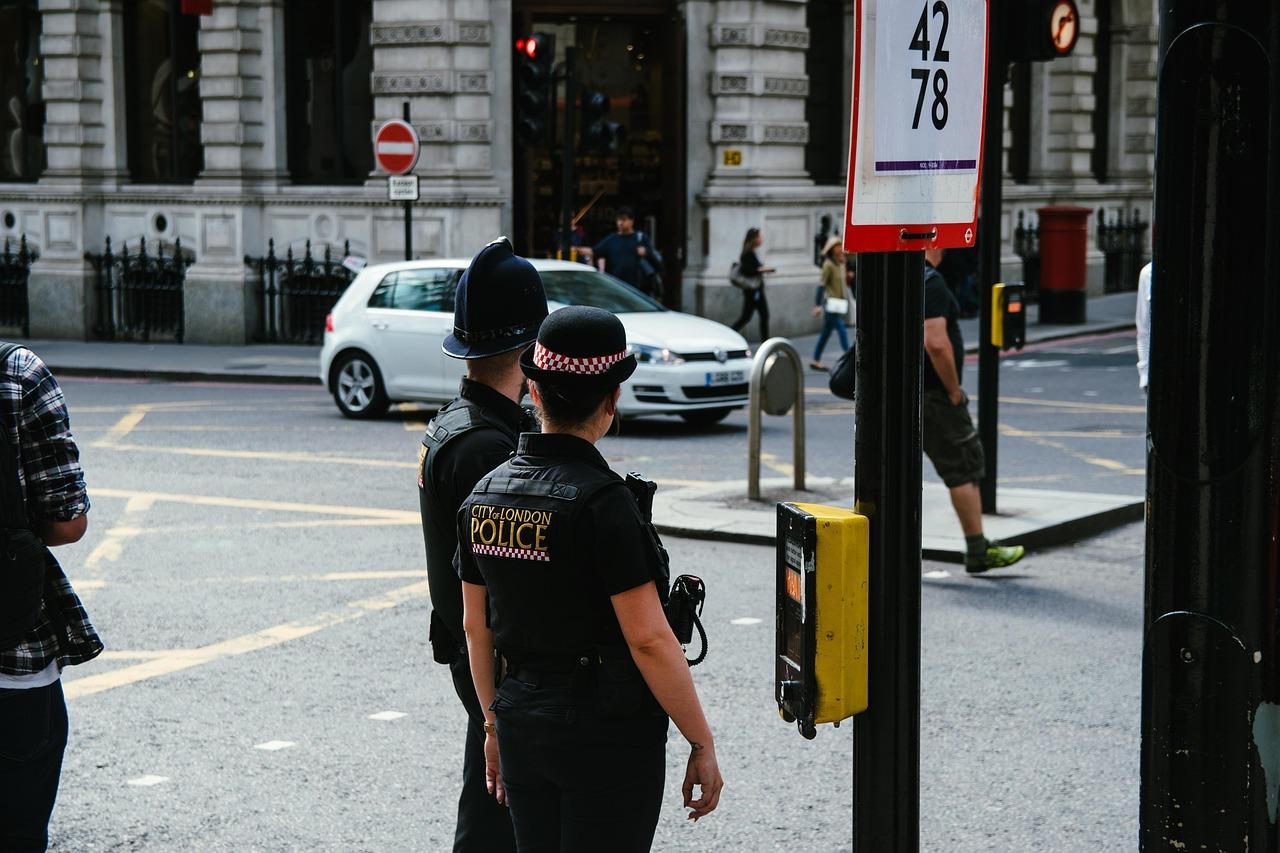
The commissioner of the Metropolitan police, Mark Rowley, called on Friday for the 43 police forces of England and Wales to be reduced to eight to 10 super forces. Mayors and police and crime commissioners criticised the proposals the same day, with some privately seeing the intervention as an attempt to bounce the prime minister into the biggest change in policing in a generation.
Mayors reject centralisation
Steve Rotheram, mayor of the Liverpool city region and a close friend of the prime minister, called the proposals the wolf of centralisation dressed up in sheep's clothing, saying they would undermine local accountability. He argued that absorbing local forces into a small number of regional super-forces runs counter to the devolution agenda.
David Skaith, the mayor of York and North Yorkshire, called the plans a real threat to local policing, adding that Rowley would not be lecturing him on gold-standard law enforcement. He said:
Let's not sit here and say the Met has a fantastic track record. It certainly does not.
Kim McGuinness, mayor of north-east England, said a locally accountable police force is the cornerstone of the criminal justice system, and that the Met is not in a position to preach to northern police forces. "What we definitely do not need is the head of London's very troubled police force coming north and telling us how policing should work," she said.
Bev Craig, Greater Manchester's mayor, said on Friday she would urge the government not to implement the most radical of Rowley's plans.
Rowley's case for eight to 10 forces
Rowley told his Manchester speech that police would fail without radical change, and that reforms would strengthen local policing, not weaken it. His argument rested on the scale of modern crime:
"We cannot ask local officers to confront international criminal networks without the strength of a wider service behind them," he said.
He added that reform must deliver both neighbourhood policing and specialist capability: "This is not a choice between neighbourhood policing and specialist capability. Strong local policing needs both. Reform must deliver both."
Divided chiefs and the Hogan-Howe review
The home secretary, Shabana Mahmood, announced plans in January to radically reduce the number of police forces in England and Wales and commissioned an official review by former Met commissioner Bernard Hogan-Howe. The unpublished review is understood to contain options for between nine and 18 larger forces.
Among chief constables there is no single line. Rowley's changes were backed by others including Greater Manchester police, but senior policing disagrees on how radical the reduction should be.
Greater Manchester's chief constable, Stephen Watson, said failing to reform would be decline by design and that the case for change was essential and unanswerable. He listed what the current model ties up: "43 headquarters, 43 chiefs, 43 deputies, 43 IT directors, 43 HR directors, 43 procurement specialists, 43 different IT systems." A commercial entity set up in the style of British policing, he said, would not remain solvent for very long at all.
Senior police sources say the Treasury will provide no more money for law enforcement, with the hope that the changes will eventually free up hundreds of millions of pounds for officers on the beat and updating antiquated technology.
What mayors want instead
Many of England's mayors believe police forces should align with mayoral boundaries to allow them greater oversight, rather than super-forces spanning cities, towns, villages and rural areas. The Met, which covers almost all of London, could in one scenario swallow up the small City of London force, a prospect understood to concern Sadiq Khan, who fears the changes may damage accountability and neighbourhood policing.
One unnamed mayor believes the prime minister will settle on aligning police forces to mayoral regions, which would slash the number of forces by about half - still about twice as many as Rowley and other chiefs suggest.
- •The mayor expects significant reform, with the solution somewhere in the middle
- •The prime minister values mayoral oversight of chief constables, as seen in Manchester
The Hogan-Howe review has not been published; it is understood to contain options for between nine and 18 larger forces, down from 43.