• Analysis
Amnesty urges El Salvador to publish agreement on El Salvador troops in Haiti
Amnesty International on Monday called on El Salvador and Haiti to make public the agreement governing the deployment of Salvadoran troops to Haiti, where some 2,000 soldiers have been sent.
What Amnesty is asking
The rights group wants the two governments to disclose the deployment agreement covering El Salvador troops in Haiti and to explain how the forces are overseen. Ana Piquer, Amnesty's Americas Director, named what must be spelled out: oversight of the troops, rules on the use of force, accountability mechanisms and safe channels for reporting violations.
Scale and rules of the deployment
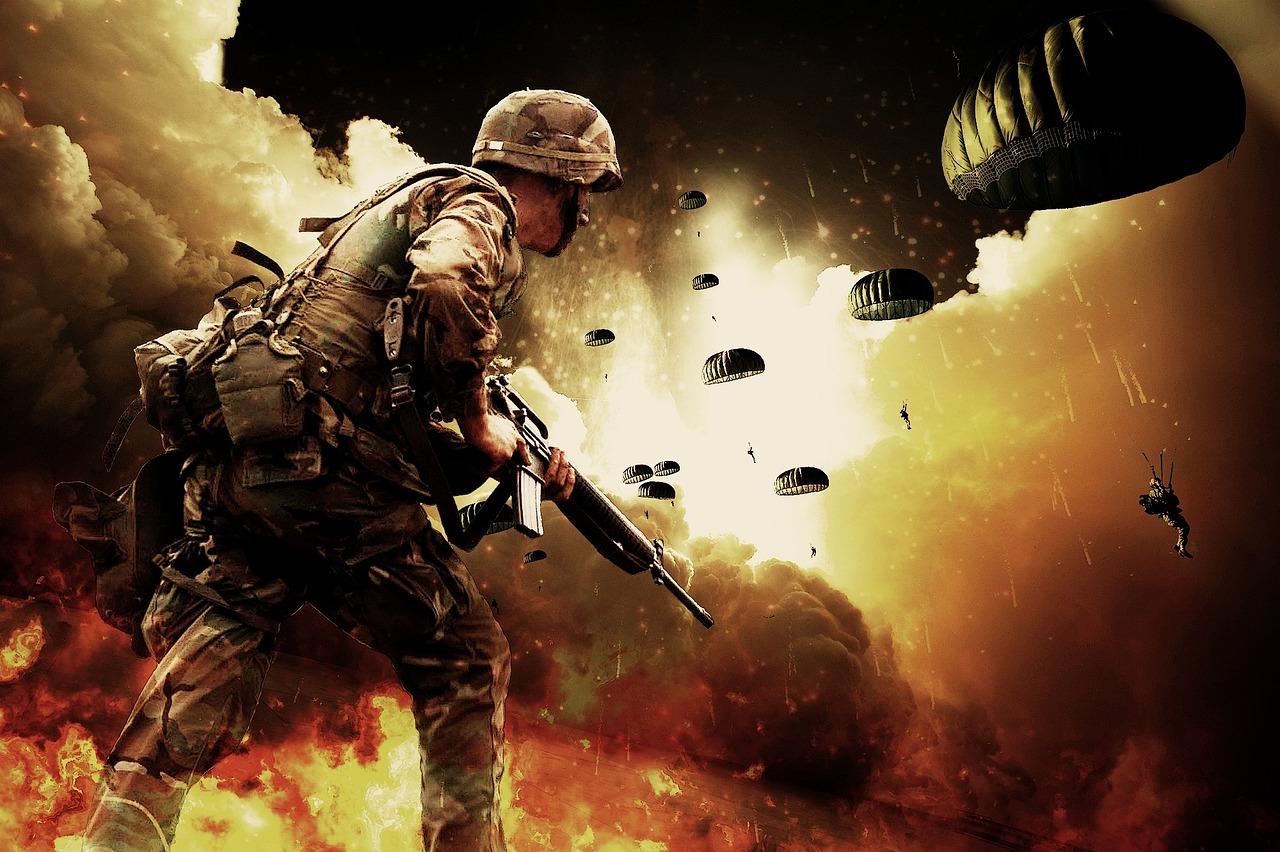
President Nayib Bukele has sent roughly 2,000 Salvadoran troops to Haiti. The move followed the mid-October disappearance of four Salvadoran personnel.
Amnesty's concern centres on how the soldiers operate:
- •Most are not taking part in the UN-backed Gang Suppression Force (GSF).
- •That leaves open questions about what rules of engagement govern them.
From rescue mission to gangs
Bukele first framed the deployment as an effort to bring home the missing personnel. Since then he has hinted at a wider aim of eliminating Haiti's powerful gangs, a campaign Amnesty links to his crackdown at home in El Salvador, which has drawn rights abuse allegations.
Demands on compliance and accountability
Piquer urged Bukele and Haitian Prime Minister Alix Didier Fils-Aime to ensure every operation by Salvadoran forces in Haiti complies with international human rights law. She called for prompt, independent and impartial investigations into all allegations of human rights violations, and warned that the response to gang violence must not repeat the abuses and impunity of previous interventions in Haiti.